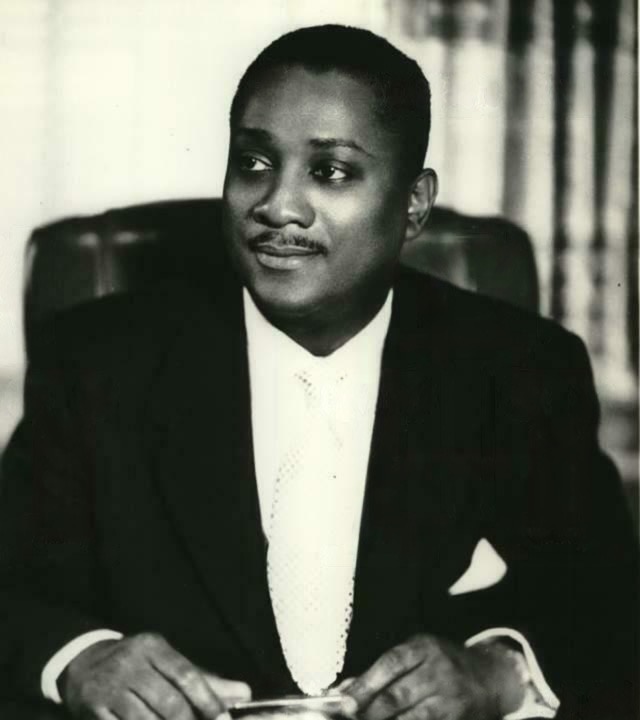
Berry Gordy
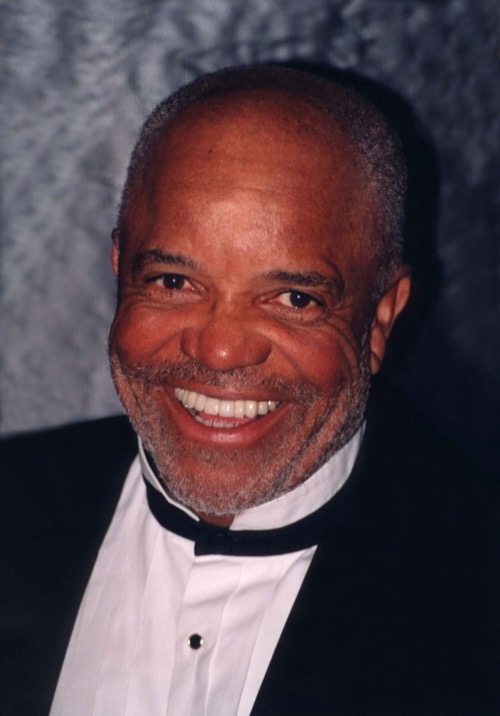
Founder, Motown Records · b. 1929 · Detroit, Michigan
Two calls made by hand, not formulas. how we score →
Summary
He worked an assembly line, boxed for money, and wrote hit songs for other people before his family's cooperative savings club advanced him $800 to start his own label.
He kept ownership of Motown for twenty-nine years, running songwriting, recording, and artist development as one system he controlled outright, and sold the company in 1988 on his own terms rather than being bought out of it.
How it happened
Seventh of eight children in a working-class Detroit family whose parents had migrated from rural Georgia in 1922. His father ran a grocery store, a plastering and carpentry business, and a print shop; his mother helped run the family's finances. In the 1940s the parents set up the Ber-Berry Co-op, a family savings club that pooled monthly contributions from both parents and all eight children and loaned the money back out for members' ventures.
He dropped out of Northeastern High School in the eleventh grade to box professionally, fighting until 1950, then was drafted and served in Korea as a chaplain's assistant. Back in Detroit in 1953 he opened the 3-D Record Mart, a jazz record store; it failed. He went to work on the Lincoln-Mercury assembly line and wrote songs at night, eventually landing hits for Jackie Wilson and other R&B acts without ever owning a piece of them.
Smokey Robinson, a songwriting collaborator, told him to stop selling songs to other people's labels and start his own. In January 1959 the family's Ber-Berry Co-op advanced him $800 to cover a distribution deal, and he used it to found Tamla, which became Motown Records, out of a converted photography studio on West Grand Boulevard.
He ran the label the way he'd seen the assembly line run: quality control, a fixed process, and every stage owned in-house, from songwriting and production through an artist-development department that drilled acts on stagecraft. He kept the publishing company, Jobete, and the masters, and toured the segregated South on package bills where audiences were roped apart by race and performers were sometimes threatened.
By the end of 1966 Motown had over 450 employees and $20 million in gross income. He sold his stake in the label to MCA and Boston Ventures in 1988 for $61 million, then sold the Jobete publishing catalog to EMI in stages between 1997 and 2004. He retired formally in 2019 and was inducted into the Rock and Roll Hall of Fame, the Songwriters Hall of Fame, and received the National Medal of Arts and Kennedy Center Honors.
The coded evidence
Thirteen groups, every claim sourcedBorn in Detroit; his parents were internal migrants from Oconee, Georgia who arrived in 1922, seven years before he was born, as part of the Great Migration.
↗ en.wikipedia.orgNo indication he was ever without shelter; he lived in the family home and later above the Hitsville studio he bought.
↗ motownmuseum.orgWages from the Lincoln-Mercury assembly line, plus songwriting royalties from hits written for Jackie Wilson and others, while he prepared to found the label.
↗ en.wikipedia.orgnot established
No homelessness, eviction, or comparable instability is documented. His hardest period was a failed record store followed by a return to wage work, not a loss of shelter.
↗ motownmuseum.orgFather ran a grocery store, a plastering and carpentry business, and a print shop; mother Bertha managed the family's financial affairs, including the Ber-Berry Co-op savings club.
↗ en.wikipedia.orgA parent worked for themselves, the strongest known predictor of founding.
↗ en.wikipedia.orgThe Ber-Berry Co-op, a family-wide savings club his parents founded in the 1940s that pooled monthly contributions from both parents and all eight children and made loans back to family members for their own ventures.
↗ motownmuseum.orgHis parents expected their children to work in family enterprises or build their own. Two brothers went into the family's construction and printing business; Berry and a brother pursued music instead, and the family's savings structure was set up to fund exactly that kind of choice.
↗ en.wikipedia.orgDetroit's Black east side, where the family settled after the 1922 move from Georgia.
↗ en.wikipedia.orgParents moved from Oconee, Georgia to Detroit in 1922 as part of the Great Migration, drawn by the city's auto-industry wage economy.
↗ en.wikipedia.orgMotown's early package tours (the Motortown Revue) played the segregated South, where Black and white audiences were kept to separate shows or separated by a police-guarded rope at the same show, and performers were sometimes threatened by local white residents.
↗ en.wikipedia.orgBuilt a vertically owned Black label and publishing company inside a record industry that offered Black artists and executives little access to ownership, distribution, or radio on equal terms.
↗ en.wikipedia.orgSmokey Robinson, a Miracles member and songwriting collaborator, who pushed him to stop selling songs to other companies and start his own label instead.
↗ en.wikipedia.orgRelationships built through his songwriting career; he had already written hits for Jackie Wilson and other R&B artists before founding the label.
↗ en.wikipedia.orgStarted his own label and publishing company rather than working his way up inside an existing one; financed the first release with the family loan and his own songwriting relationships.
↗ motownmuseum.org27
Approximate; his songwriting career began in the mid-1950s before the 1959 founding.
↗ en.wikipedia.orgFounded his own label and publishing company rather than seeking a contract from an existing major, in an industry that offered essentially no path to ownership for a Black founder at the time.
↗ en.wikipedia.org1
The Lincoln-Mercury assembly line was his last wage employer before founding Motown.
↗ en.wikipedia.orgNo college. Dropped out of Northeastern High School in the eleventh grade to box professionally; later completed the equivalent of a high school credential.
↗ en.wikipedia.org$800 borrowed from the family's Ber-Berry Co-op savings fund in January 1959.
↗ motownmuseum.org$800 loan from the Ber-Berry Co-op, the family's pooled savings club, reported as covering the cost of a distribution deal for Marv Johnson's "Come to Me."
↗ motownmuseum.orgIt paid its own way from the start. Revenue came before any outside money.
↗ en.wikipedia.orgNo outside investors. Grew from the $800 family loan on reinvested record and publishing income, retaining full ownership until he chose to sell in 1988.
↗ en.wikipedia.orgReinvested early songwriting and record income into buying the Hitsville property and the neighboring houses rather than spending it.
↗ motownmuseum.orgKept ownership of Jobete Music, Motown's publishing arm, separate from the record label itself, and sold it on his own schedule to EMI in stages between 1997 and 2004, years after selling Motown Records in 1988.
↗ en.wikipedia.orgBought a two-family house at 2648 West Grand Boulevard in Detroit in 1959 and converted it into Hitsville U.S.A.; by the mid-1960s Motown had expanded into seven neighboring houses rather than renting studio time or office space.
↗ motownmuseum.orgPersonal experience as a songwriter who had written hits for other artists' labels and wanted to keep the value he was creating instead of selling it for a flat fee.
↗ en.wikipedia.orgSelf. After the record store failed he returned to wage work on the Lincoln-Mercury assembly line rather than drawing on family money again.
↗ en.wikipedia.orgWages from the assembly line and freelance songwriting royalties.
↗ en.wikipedia.orgPostwar Detroit's auto-industry wage economy, which supplied his income floor and his production model, alongside a growing national R&B market starting to cross over into mainstream pop radio in the late 1950s.
↗ motownmuseum.orgDetroit, where he had lived his entire life.
↗ en.wikipedia.orgBuilt a new label from a distribution deal and an $800 loan rather than acquiring an existing one.
↗ motownmuseum.orgMusic (record label and publishing)
↗ en.wikipedia.orgAggregator
↗ celebritynetworth.comWealth realized through sales of what he built rather than a salary: $61M for his Motown stake in 1988, the Jobete catalog sold to EMI in stages afterward, and the broader Motown song catalog later reported to have fetched over $330M when Polygram acquired it.
↗ en.wikipedia.orgRock and Roll Hall of Fame inductee (1988); Songwriters Hall of Fame Pioneer Award (2013, first living recipient); National Medal of Arts (2016); Kennedy Center Honors (2021).
↗ en.wikipedia.orgUncapped
↗ en.wikipedia.orgSongwriting and production trio Holland-Dozier-Holland left Motown in 1967-68 in a dispute over profit-sharing and royalties. Motown sued for breach of contract, the trio countersued, and the litigation ran until a 1977 settlement.
↗ en.wikipedia.orgAfter
↗ en.wikipedia.orgIncidental
Standard-for-the-era publishing and royalty terms rather than something that produced the original 1959-63 breakthrough.
↗ en.wikipedia.orgBuilt an in-house Artist Development department that tightly controlled acts' image, choreography, and public conduct. Several successful in-house writers and producers, including Holland-Dozier- Holland, later disputed Motown's publishing and royalty terms.
↗ motownmuseum.orgVisionary, Controlling, Meticulous, Competitive
↗ motownmuseum.orgPress
↗ en.wikipedia.orgMixed
An asset in building Motown's crossover discipline and image control; a liability in the eyes of in-house writers and producers who disputed his publishing and royalty terms.
↗ en.wikipedia.orgStructural context
The cost-of-failure score comes from this person's own money and circumstances. But who they were in America carried its own weight, the same way their household or income did, and it shaped how hard the path was just as much. That part isn't in the cost-of-failure number. It's here instead.
Men hold most of the ownership and gatekeeping across the creative and media industries, the default that recognition and deals flow toward.
↗ assets.uscannenberg.orgIn the creative and media industries, recognition comes far more easily to underrepresented creators than the ownership it should turn into. Among 2023's top-grossing film directors, for one measure, eight were Black.
↗ assets.uscannenberg.orgAmong the people recorded here — men: 169 · Black subjects: 58. Representation here is who reached these outcomes, not equal odds of reaching them.
Controlled comparisons
Each holds one thing constant and varies another, so the difference is the point. A list of similar names wouldn't tell you anything.