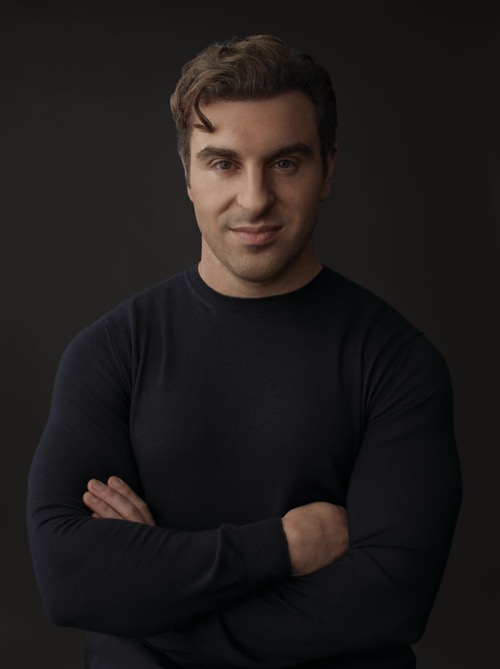
Armani Williams
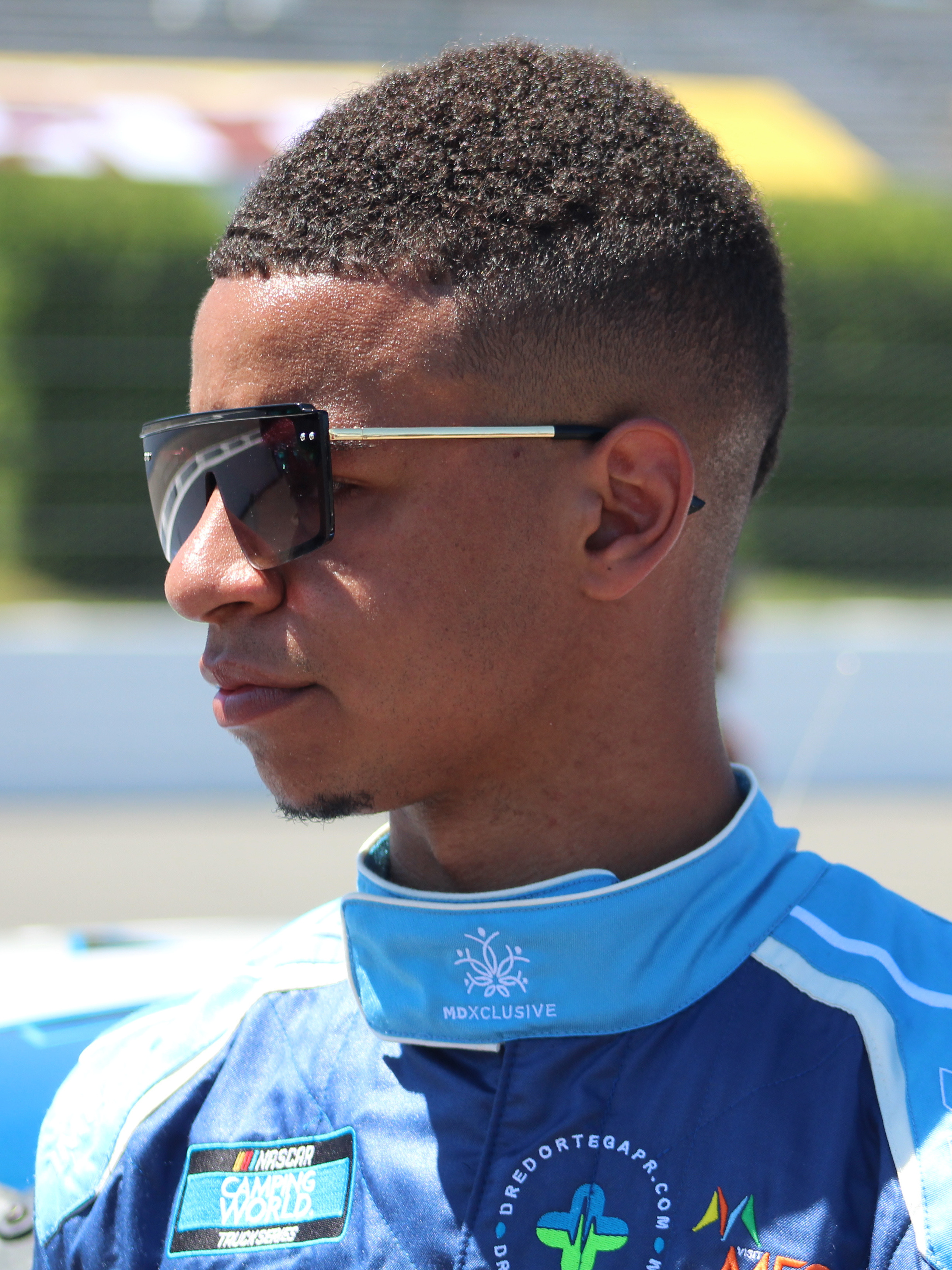
NASCAR driver; first openly autistic driver to compete in a NASCAR national series · b. 2000 · Grosse Pointe, Michigan
Two calls made by hand, not formulas. how we score →
Summary
He's NASCAR's first openly autistic driver, a title built on persistence through one of the most expensive sports there is, not on results.
His best national-series finish is 21st, and he mostly drives part-time for small, underfunded teams. The advocacy platform around it is real and his. The wealth and race wins that usually come with a NASCAR profile have not.
How it happened
Diagnosed with autism at two, nonverbal until three. His parents, Del Williams and Irena Politano, didn't learn what he was diagnosed with until he told them himself, in middle school, and he's said the news came as relief rather than a shock. Racing was his fixation almost from the start, Hot Wheels first, then his father taking him to the 2010 Brickyard 400 at ten. His great-grandfather had run an auto-body shop, so cars were already in the family before Armani was.
Go-karts at eight, then bandolero and late-model cars, each rung of amateur racing paid for by the family rather than a sponsor. By sixteen he was the highest-finishing Black driver in the ARCA Truck Pro Series. In 2017 he attended NASCAR's Drive for Diversity Combine and started picking up starts in Canada's Pinty's Series in cars prepared by two-time champion D.J. Kennington, one of the few doors in stock-car racing that opens on merit rather than a checkbook.
In August 2021 he made his Truck Series debut at Gateway, the first driver openly diagnosed with autism to start a NASCAR national series race. He's run it in blue paint with the autism puzzle piece on the hood ever since, and built a foundation, Race 4 Autism, around the same story he was telling reporters as a teenager: that the intense focus that made him hard to reach as a toddler is the same thing that makes him good in a race car.
He's still racing part-time, mostly for small-budget outfits like MBM Motorsports and Reaume Brothers Racing, and studying mechanical engineering at Oakland University. Autism Speaks now features him in its own materials. None of it has translated into a full-time ride, a marquee sponsor, or anything resembling the money that follows NASCAR's better-known names, and no credible source puts a number on what he's worth.
The coded evidence
Thirteen groups, every claim sourcedWidely described as Black/African American across sources, including Wikipedia's framing of him among NASCAR's current Black drivers. His mother's name, Irena Politano, is not otherwise described in any source found, so any further nuance to his racial or ethnic background is not established here.
↗ blackdoctor.orgnot established
Not established. No source discusses the family's immigration history.
↗ en.wikipedia.orgnot established
No source discusses housing stability. Nothing in the record suggests instability either; treated as not established rather than assumed soft.
↗ en.wikipedia.orgnot established
Parents' occupations and household income are not documented anywhere found.
↗ en.wikipedia.orgnot established
↗ en.wikipedia.orgnot established
Cannot be coded either way without knowing the family's actual finances, which aren't documented.
↗ en.wikipedia.orgnot established
His parents are named, Del Williams and Irena Politano, but no source found states what either of them does for a living.
↗ blackdoctor.orgA great-grandfather who owned and ran an auto-body repair shop, giving the family a mechanical trade before Armani's own interest in cars.
↗ en.wikipedia.orgHis father took him to the 2010 Brickyard 400 at age ten, and both parents are described across many interviews as actively supporting and funding his move into competitive racing from age eight, an unusually expensive sport to sanction without a plan for how it pays for itself.
↗ the-art-of-autism.comDiagnosed with autism spectrum disorder at age two; nonverbal for his first few years, speaking his first word around three. He's said he wasn't told what the diagnosis meant until middle school, and that learning it explained rather than upended how he understood himself. He describes early sensory sensitivities and ongoing challenges with communication and social interaction as his most persistent, and credits an intense, narrow focus, the same trait that made him hard to reach as a toddler, as an asset behind the wheel.
Self-disclosed and repeated consistently across many interviews over nearly a decade. As a Black man in an overwhelmingly white sport, this compounds with race rather than reading as eccentric-genius, per the schema's general finding for how neurodivergence lands differently by race.
↗ autismkey.comNASCAR's Drive for Diversity Combine, a talent-identification program for Black, Latino, and female drivers, which he attended as a teenager and which connected him to seat time he otherwise would not have had access to.
↗ motorsport.comNASCAR's Drive for Diversity Combine connected him to a seat in the Pinty's Series with two-time series champion D.J. Kennington's team in 2017, after his family had spent years pursuing opportunities on their own.
↗ motorsport.comnot established
He has driven for multiple teams across series, including Calabrese Motor Sports, Flyin' Dutchman Racing, MBM Motorsports, and Reaume Brothers Racing, but a complete count is not established.
↗ en.wikipedia.orgTwo-time participant in NASCAR's Drive for Diversity Combine (Daytona Beach), the sport's formal pathway for identifying and developing Black, Latino, and female driving talent.
↗ motorsport.comStudying mechanical engineering at Oakland University; no source found confirms whether he has completed a degree.
↗ the-art-of-autism.comnot established
↗ en.wikipedia.orgnot established
No source itemizes what karting or early bandolero racing cost or who specifically paid for it beyond general references to family support.
↗ en.wikipedia.orgFamily-funded amateur racing from age eight through late models, described repeatedly in his own words as the reason any of his career happened at all, but no dollar figures are documented anywhere found.
↗ canvasrebel.comIt needed capital up front, before it earned anything.
Lower-tier NASCAR rides, especially with small teams like MBM Motorsports, more commonly require the driver to bring sponsorship money than to be paid a salary. No source confirms his specific arrangement, so this is coded from how the segment of the sport he races in typically works, not a documented fact about him personally.
↗ en.wikipedia.orgnot established
↗ en.wikipedia.orgnot established
↗ en.wikipedia.orgNASCAR launched formal driver-diversity infrastructure, the Drive for Diversity program and REV Racing, in the early 2000s, which is the structure his amateur results fed into as a teenager in 2016 and 2017.
↗ motorsport.comMotorsports (NASCAR stock car racing)
↗ en.wikipedia.orgnot established
No net-worth figure, aggregator or otherwise, was found for him anywhere. That absence is itself informative for a NASCAR national series driver with this level of public profile; most of his peers with comparable name recognition have at least a content-farm estimate. Not filled in to make the record look complete.
↗ en.wikipedia.orgPart-time rides for small-budget teams (MBM Motorsports, Reaume Brothers Racing) at the Truck, ARCA, and Xfinity level, the tier of the sport where drivers are more often bringing sponsorship money than drawing a salary. No source documents what, if anything, he is paid.
↗ en.wikipedia.orgFirst driver openly diagnosed with autism to start a NASCAR national series race (Truck Series, Gateway, August 2021). Founded the Armani Williams Race 4 Autism Foundation with his family in 2015. Featured by Autism Speaks in its own advocacy materials. Widely cited as the highest-finishing Black driver in the 2016 ARCA Truck Pro Series season.
↗ autismkey.comCapped
He drives for other teams rather than owning one; his upside is tied to being hired into better-funded rides, not to equity in anything.
↗ en.wikipedia.orgResilient, Focused, Inspirational
↗ autismspeaks.orgPress
↗ autismspeaks.orgAsset
His autism advocacy identity has generated media coverage and an Autism Speaks partnership disproportionate to his on-track results, functioning as the actual engine of his public profile.
↗ autismkey.comStructural context
The cost-of-failure score comes from this person's own money and circumstances. But who they were in America carried its own weight, the same way their household or income did, and it shaped how hard the path was just as much. That part isn't in the cost-of-failure number. It's here instead.
Men hold most of the ownership and gatekeeping across the creative and media industries, the default that recognition and deals flow toward.
↗ assets.uscannenberg.orgIn the creative and media industries, recognition comes far more easily to underrepresented creators than the ownership it should turn into. Among 2023's top-grossing film directors, for one measure, eight were Black.
↗ assets.uscannenberg.orgAmong the people recorded here — men: 115 · Black subjects: 58. Representation here is who reached these outcomes, not equal odds of reaching them.
Controlled comparisons
Each holds one thing constant and varies another, so the difference is the point. A list of similar names wouldn't tell you anything.