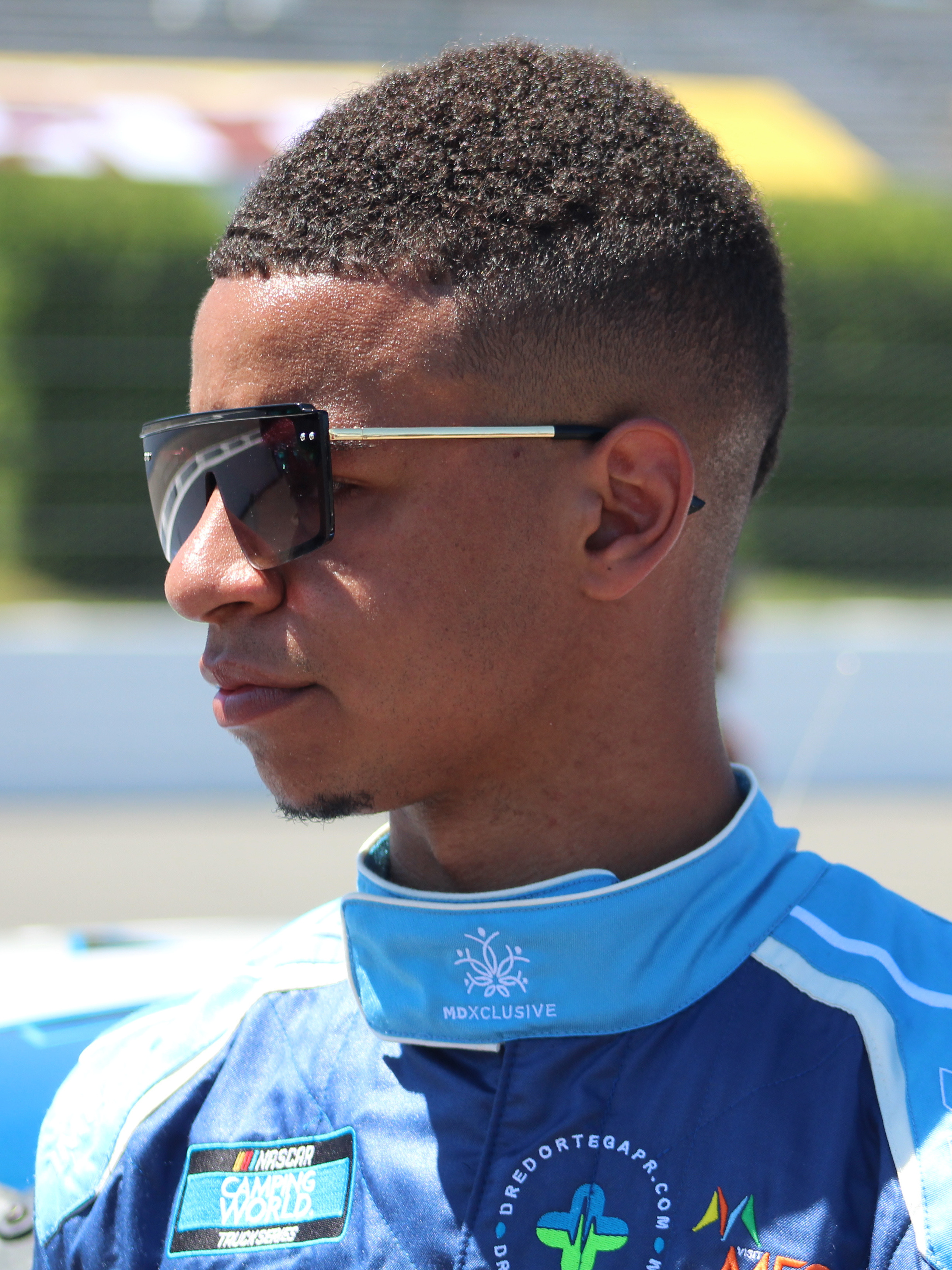
Byron Allen
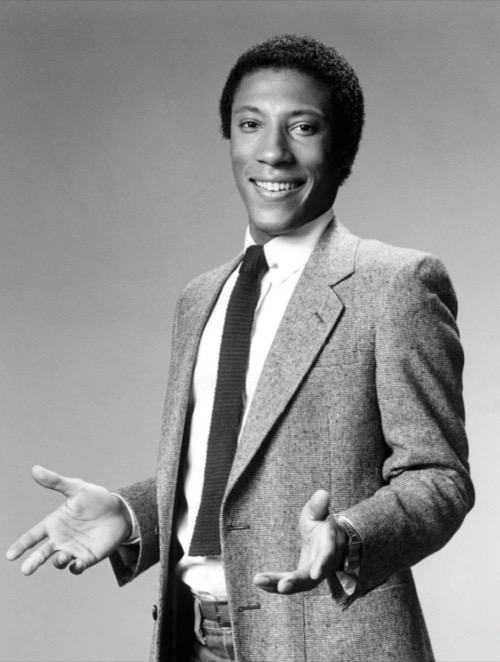
Founder and CEO, Allen Media Group · b. 1961 · Detroit, Michigan → Los Angeles, California
Two calls made by hand, not formulas. how we score →
Summary
His mother's job at NBC put him on studio lots as a kid, and he was doing stand-up by fourteen.
But what actually built the fortune was a barter deal: he gave stations his show for free and kept the national ad time to sell himself, financing the lean years through high-interest receivables loans while his house went into foreclosure more than once.
How it happened
Born in Detroit; his parents split when he was seven and he moved to Los Angeles with his mother, Carolyn. She talked her way into an NBC internship, then worked as a studio tour guide and publicist, which put young Byron on the lot during tapings of The Tonight Show and other NBC shows. At fourteen he started writing jokes; comedian Jimmie Walker brought him onto his writing team alongside a young David Letterman and Jay Leno.
At eighteen he became the youngest comedian ever to perform on The Tonight Show, then spent five years as a co-host on NBC's Real People. He also enrolled at USC but left without finishing a degree as the television work took over. It was a real career, but it was still work for someone else's network.
In 1993 he started his own production company from his dining table, calling all 1,300 commercial TV stations in the country and offering a weekly celebrity-interview show for free in exchange for half the ad time, which he sold nationally himself. Around 150 stations said yes. For roughly the next fifteen years he had no bank loans and no investors, just factoring firms charging up to 26% to advance him cash against receivables, and by his own account his house went into foreclosure fourteen times.
He put the cash flow into buying rather than renting: a film distributor, The Weather Channel, and dozens of local TV stations, building an owned, debt-financed media group instead of a content library he'd have to keep re-licensing. Along the way he sued Comcast, Charter, and AT&T over carriage and ad-spend decisions he said discriminated against Black-owned media; the Comcast case went to the Supreme Court and came back against him on the legal standard, though Comcast settled by picking up four of his channels anyway.
Allen Media Group was valued at roughly $4.5 billion in 2022, wholly owned, no outside shareholders. Estimates of his personal net worth cluster around $1 billion, though those figures come from aggregators rather than filings, since almost everything he owns is private.
The coded evidence
Thirteen groups, every claim sourcedDescendant
↗ en.wikipedia.orgnot established
No family fallback established for the founding years; by his own account it was the opposite, with his own home repeatedly foreclosed on while he built the company.
↗ csq.comFor roughly the first 15 years of the company, financed exclusively through factoring firms advancing cash against receivables at interest rates reported up to 26%, rather than bank loans or outside investors.
↗ csq.comBy his own account, during Entertainment Studios' early years he skipped meals, had his phone disconnected, and had his home go into foreclosure fourteen times while financing the company through high-interest receivables loans.
Specific, repeated first-person account in a business profile; not independently corroborated by court or financial records.
↗ csq.comThe hardship was imposed, not chosen. There was nothing to fall back on.
Described as forced by the business's inability to get conventional financing, not a chosen austerity.
↗ csq.comRaised largely by his mother, Carolyn Folks, after his parents separated when he was seven. She talked NBC into creating an internship for her, then worked as a studio tour guide and later a publicist at NBC's Burbank lot.
↗ csq.comHis mother brought him onto the NBC lot as a child rather than steering him away from show business, and let him pursue stand-up as a young teenager.
↗ csq.comDetroit, Michigan, then Los Angeles, California from age 7.
↗ en.wikipedia.orgAt 14 he was pulled onto comedian Jimmie Walker's writing team, working alongside other young comedy writers who included David Letterman and Jay Leno at the same clubs in the same years.
↗ csq.comHis mother's job at NBC, first as an intern and tour guide and later a publicist, gave him access as a child to the Burbank studio lot, including tapings of Chico and the Man, Sanford and Son, and The Tonight Show.
A parent's modest-income job supplying industry access despite no family capital; the access vector this record is coded around.
↗ csq.comHis company sued Comcast, Charter, and AT&T over carriage decisions it said discriminated against Black-owned media, and later sued McDonald's over how it allocated TV ad spend to Black-owned outlets. AT&T settled in 2015 by adding channels to DirecTV; the Comcast case reached the Supreme Court and settled after an unfavorable ruling on the legal standard; the McDonald's case settled out of court in 2025 on undisclosed terms.
↗ scotusblog.comHe has framed the carriage and ad-spend fights explicitly as being about who gets to own and monetize media, not just who gets aired, arguing that Black-owned outlets are kept out of both distribution deals and ad budgets in ways white-owned outlets aren't.
↗ en.wikipedia.orgComedian Jimmie "J.J." Walker brought a 14-year-old Allen onto his comedy writing team, an informal apprenticeship rather than a paid job.
↗ csq.comCold-called all roughly 1,300 commercial television stations in the US from his dining table to pitch the barter deal that launched the company; no agent or distributor arranged the introductions.
↗ csq.comFourteen years of national TV visibility, as the youngest comedian ever on The Tonight Show and then five years co-hosting NBC's Real People, before he founded his production company in 1993.
↗ en.wikipedia.orgDealt directly with local independent stations for airtime instead of going through a network or a traditional syndicator, a channel most of the industry wasn't using the same way.
↗ en.wikipedia.orgFaced roughly 40 to 50 rejections at each of the stations he called before around 150 agreed to carry the free weekly show that launched the company.
↗ csq.comAttended USC, studying film, but left without completing a degree as his television career took over.
↗ csq.comWas co-hosting the national NBC show Real People and doing stand-up while enrolled, which is the likelier reason he left without finishing.
Funding source for the USC period is not clearly documented; inferred from the overlapping timeline of his TV work.
↗ csq.comnot established
No disclosed starting dollar figure. The barter model was built specifically to need almost no cash up front, funded by an ad-revenue split with stations rather than a first check.
↗ csq.comThe founding mechanism: he gave stations a weekly show at no cost in exchange for half the national advertising inventory, which he then sold himself. The company describes it as selling national ad inventory across its programs in aggregate and sharing the revenue with stations, rather than charging a syndication fee.
↗ en.wikipedia.orgNo bank loans or outside investors for roughly the company's first 15 years; cash came from factoring firms advancing money against receivables at rates reported up to 26%. Later acquisitions were financed through debt, including a $500 million credit facility arranged through Deutsche Bank Securities and Jefferies in 2018, with Allen retaining full private ownership throughout.
↗ en.wikipedia.orgReinvested cash flow into owning infrastructure rather than spending it down: a film distributor, TV stations, and eventually The Weather Channel.
↗ en.wikipedia.orgOwns The Weather Channel, dozens of local broadcast stations, and a film distribution arm outright, rather than licensing content into networks he doesn't control.
↗ en.wikipedia.orgnot established
No minority-business subsidy or set-aside program specific to Allen is established from the public record.
↗ en.wikipedia.orgSelf. He describes skipping meals, having his phone disconnected, and losing his home to foreclosure fourteen times while carrying the business through high-interest receivables financing.
↗ csq.comNo defined runway; the model was built to earn ad revenue from the start, but it still took about 15 years of expensive short-term financing before the company could get conventional credit.
↗ csq.comLaunched into a fragmented, deregulated syndication market with hundreds of independent local stations needing cheap programming; grew later through acquiring assets larger companies were shedding, including a bankrupt cable news channel and TV stations divested in industry consolidation.
↗ en.wikipedia.orgBuilt the original barter-syndication business from nothing in 1993, then shifted increasingly to buying undervalued or distressed assets: Freestyle Releasing in 2015, The Weather Channel in 2018, dozens of broadcast stations, and the bankrupt Black News Channel in 2022.
↗ en.wikipedia.orgMedia and broadcasting
↗ en.wikipedia.org1000000000
Aggregator estimate (Celebrity Net Worth, via AfroTech, updated June 2025); no filing or disclosed methodology. Band only.
↗ afrotech.comAggregator
↗ afrotech.com2025
↗ afrotech.comWealth in a private, wholly owned company rather than salary or public equity. Allen Media Group was valued at roughly $4.5 billion in 2022, which is company value, not a personal net-worth figure.
↗ afrotech.comDescribes itself as the first African American-owned multi-platform media company to produce and distribute wide-release motion pictures, alongside ownership of a national weather network and dozens of local broadcast stations.
Self-reported distinction from the company's own site.
↗ allenmedia.tvUncapped
↗ en.wikipedia.orgCombative, Dealmaker, protective of ownership
↗ csq.comPress
↗ csq.comBefore
↗ csq.comMixed
The same tenacity that built the company through the barter years also produces frequent, high-profile litigation as an adult, which cuts both ways in how he's covered.
↗ csq.comStructural context
The cost-of-failure score comes from this person's own money and circumstances. But who they were in America carried its own weight, the same way their household or income did, and it shaped how hard the path was just as much. That part isn't in the cost-of-failure number. It's here instead.
Men hold most of the ownership and gatekeeping across the creative and media industries, the default that recognition and deals flow toward.
↗ assets.uscannenberg.orgIn the creative and media industries, recognition comes far more easily to underrepresented creators than the ownership it should turn into. Among 2023's top-grossing film directors, for one measure, eight were Black.
↗ assets.uscannenberg.orgAmong the people recorded here — men: 169 · Black subjects: 58. Representation here is who reached these outcomes, not equal odds of reaching them.
Controlled comparisons
Each holds one thing constant and varies another, so the difference is the point. A list of similar names wouldn't tell you anything.