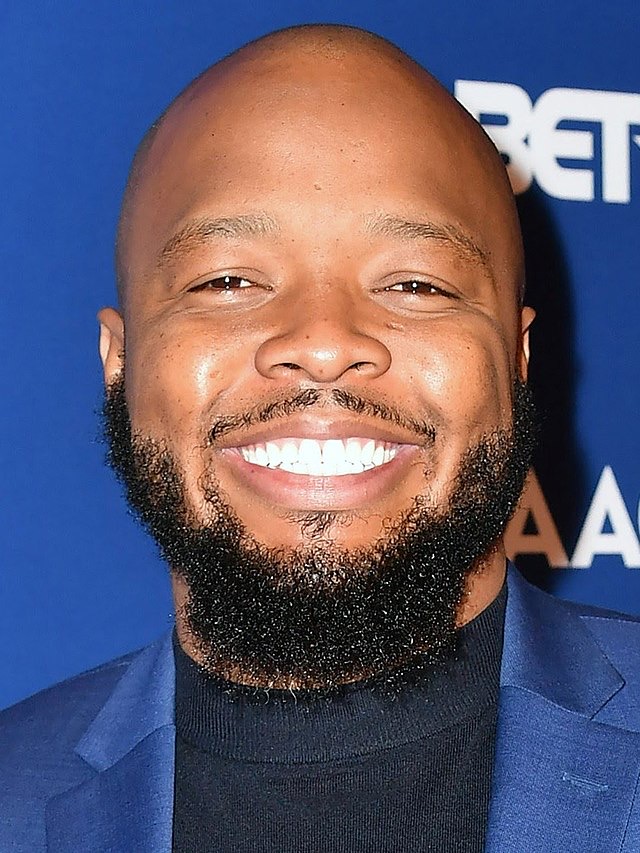
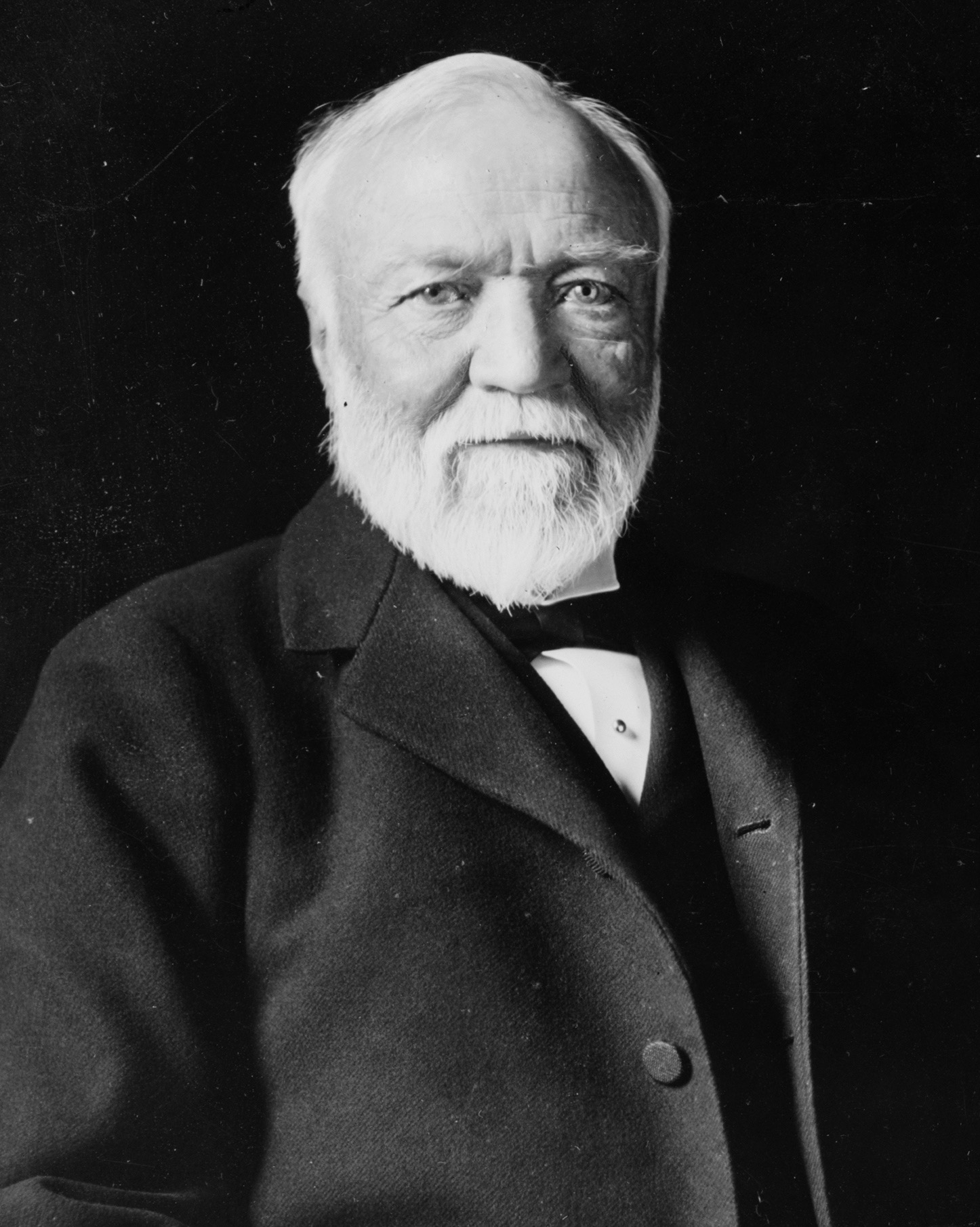
Donald Bren
born Donald Leroy Bren
Chairman and sole owner of the Irvine Company · b. 1932 · Los Angeles, California
Two calls made by hand, not formulas. how we score →
Summary
Son of a Hollywood producer who also invested in real estate, Bren grew up comfortable, went to college on a skiing scholarship, and served as a Marine officer.
A small homebuilding company he started in 1958 gave him a track record; in 1977 he joined a consortium that bought The Irvine Company outright, then spent two decades buying out his partners and never selling what the company built.
How it happened
Bren was born May 11, 1932, in Los Angeles. His father, Milton Bren, was a former naval officer who worked as a Hollywood talent agent and film producer and also put money into real estate; young Donald worked as a carpenter's helper on his father's building projects. His parents divorced in 1948, the year his father remarried the actress Claire Trevor. His mother remarried a few years later, to steel executive Earle Jorgensen, keeping the household squarely in Southern California's business and entertainment elite on both sides.
He went to the University of Washington on a skiing scholarship, graduated with a degree in business administration and economics, and narrowly missed a spot on the 1956 Olympic ski team after an injury. He then served as an officer in the U.S. Marine Corps for about three years before going into business.
In 1958 he founded the Bren Company to build houses in Orange County, reportedly starting with a loan of around $10,000; one account has it coming from his mother. The company grew steadily through the 1960s. In 1963 he co-founded the Mission Viejo Company with two partners, buying 10,000 acres to plan and build the city of Mission Viejo, and served as its president until 1967. In 1970 International Paper bought the Bren Company outright for $34 million; two years later, as the country slid into recession, the paper company sold it back to him for $22 million. By his mid-forties he was an established Orange County real estate operator with capital of his own, not a first-time builder.
In 1977 the James Irvine Foundation put the 146-year-old Irvine Company up for sale. Bren joined an investor group led with Detroit developer Al Taubman and Ford Motor chairman Henry Ford II; after Mobil bid $336.6 million, the consortium came back a day later at $337.4 million and won, with Bren holding roughly a third of the new ownership. That was the real turn. He was not founding a company; he was buying his way into control of one that already held tens of thousands of acres of increasingly valuable Orange County land, and the two decades that followed were spent consolidating that position rather than starting a new one. He was elected chairman and became majority owner by 1983, and by 1996 he had bought out Taubman, the Ford family, and every other partner to become sole owner.
Under Bren the company finished master-planning the city of Irvine around the University of California campus, using a plan drafted with architect William Pereira back in the early 1960s, and built out its commercial holdings into hundreds of office buildings, more than a hundred apartment communities, dozens of shopping centers, hotels, and marinas. The company's stated approach is to build and hold rather than build and sell, which is unusual at this scale and is a large part of why the fortune kept compounding for decades instead of being realized and reinvested piecemeal.
Alongside the development, Bren committed to preserving roughly half of the historic 93,000-acre Irvine Ranch, and over three decades donated more than 57,000 acres of it for parks and open space, including a 2010 gift of 20,000 acres to Orange County that was the largest private land donation to public ownership in the county's history. He has given more than $2 billion to education, land conservation, and other causes, while keeping his own life deliberately out of view; profiles routinely describe him as one of the least publicly visible billionaires in the country.
The coded evidence
Thirteen groups, every claim sourcedDescendant; no evidence either parent was a first-generation immigrant. Family present in the U.S. for at least several generations before his birth.
↗ en.wikipedia.orgEnglish
↗ en.wikipedia.orgA comfortable Los Angeles household on both sides even after his parents' 1948 divorce: his father remarried actress Claire Trevor, and his mother remarried steel executive Earle Jorgensen. No period of housing insecurity at any point is documented.
↗ en.wikipedia.orgHe had already built and sold a real estate company once (the 1970 sale of the Bren Company to International Paper for $34 million) and bought it back for $22 million by 1972, so he entered the 1977 Irvine Company bid as an established operator with his own capital, not as someone risking his only income.
↗ en.wikipedia.orgnot established
No personal debt burden is documented at either the 1958 or 1977 starting points.
↗ en.wikipedia.orgFather Milton Bren was a former naval officer who became a Hollywood talent agent and film producer and also invested in real estate. Mother Marion Newbert is described as a civic and social figure; her own occupation beyond that is not detailed in sources reviewed.
↗ en.wikipedia.orgA parent worked for themselves, the strongest known predictor of founding.
Milton Bren worked as an independent talent agent and producer and held his own real estate investments.
↗ en.wikipedia.orgHis mother's second husband, Earle Jorgensen, ran a major steel distribution company and was a longtime friend of Ronald Reagan; no documented instance of Jorgensen supplying capital or introductions into Bren's own real estate career, but the marriage placed the household inside a network of established Southern California business figures.
↗ en.wikipedia.orgNo multigenerational fortune or standing predating his parents; the family's position came from his father's own Hollywood career and real estate investing, and from his mother's second marriage into an established steel-industry family.
↗ en.wikipedia.orgA partial skiing scholarship covered part of his University of Washington education; whether his family also paid tuition directly is not detailed in sources reviewed, though the household could plausibly have afforded it regardless of the scholarship.
↗ en.wikipedia.orgnot established
No specific account of family encouragement or discouragement toward his athletic or business path was found.
↗ en.wikipedia.orgLos Angeles, California.
↗ en.wikipedia.orgnot established
Primary and secondary schooling are not detailed in sources reviewed.
↗ en.wikipedia.orgNo documented childhood proximity to a real estate industry cluster; his father's businesses were in talent representation and film production, with real estate investing as a side activity rather than the family's main trade.
↗ en.wikipedia.orgWorked as a carpenter's helper on his father's real estate building projects, an early, direct exposure to construction and property development through a parent's side investments rather than his main career.
↗ forbes.comnot established
No childhood relocation is documented; raised in the Los Angeles area before college in Washington state.
↗ en.wikipedia.orgNo single named individual is documented as opening the door to the 1977 Irvine Company consortium; Bren joined alongside established figures Al Taubman and Henry Ford II on the strength of his own standing as an Orange County developer after the Bren Company and Mission Viejo Company.
↗ en.wikipedia.orgThe Bren Company (1958) and the Mission Viejo Company (1963, as co-founder and president through 1967) gave him a track record as a builder and land planner in Orange County well before the Irvine Company purchase.
↗ en.wikipedia.orgSkill, Credibility, Capital
The two earlier companies supplied development skill, standing as a credible bidder, and capital from the 1972 buyback of the Bren Company.
↗ en.wikipedia.orgCo-founded the Mission Viejo Company in 1963 with two other partners; joined the 1977 Irvine Company purchase alongside Al Taubman and Henry Ford II, both far wealthier and better known than Bren at the time.
↗ en.wikipedia.orgnot established
Exact interval between his Marine Corps discharge and the 1958 founding is not established.
↗ en.wikipedia.org0
No employment for an outside firm before founding the Bren Company is documented, apart from Marine Corps service.
↗ en.wikipedia.orgBachelor's degree in business administration and economics, University of Washington.
↗ en.wikipedia.orgnot established
Not established; a partial skiing scholarship is documented but not the full financing picture.
↗ en.wikipedia.orgDirect undergraduate degree at a public university on an athletic scholarship, followed by several years of active-duty Marine Corps service before entering business.
↗ en.wikipedia.orgnot established
The skiing scholarship was athletic, not a need- or identity-based access program.
↗ en.wikipedia.orgReportedly started the Bren Company in 1958 with a loan of around $10,000; one account attributes the loan to his mother, though this is not corroborated across multiple independent sources.
The $10,000 figure and the maternal source of the loan each appear in only some secondary accounts.
↗ en-academic.comNo documented outright gift or inheritance funded the 1958 founding; the closest documented claim is a single secondary account that the startup loan came from his mother, which is not independently confirmed.
↗ en-academic.comIt paid its own way from the start. Revenue came before any outside money.
The Bren Company built and sold houses for revenue from the start rather than running on outside investment.
↗ en.wikipedia.orgThe 1977 Irvine Company purchase was assembled as a consortium bid of $337.4 million, led together with Al Taubman and Henry Ford II, after outbidding a $336.6 million offer from Mobil; Bren held roughly a third of the resulting ownership.
↗ en.wikipedia.orgBren financed his growing share of the Irvine Company over nearly two decades by steadily buying out Taubman, the Ford family, and other original partners, funded by the company's own real estate cash flow rather than by raising new outside capital; the company has remained privately held throughout.
↗ en.wikipedia.orgThe Irvine Company operates on a stated build-and-hold model rather than building and selling; it retains almost everything it develops, which let a fixed, appreciating land base in Orange County compound in value across five decades of Southern California growth rather than being cashed out and redeployed repeatedly.
↗ en.wikipedia.orgThe $22 million from International Paper's 1972 sale of the Bren Company back to him, and cash flow from Mission Viejo, gave him capital and a track record he brought into the 1977 Irvine Company bid rather than personal consumption of the proceeds.
↗ en.wikipedia.orgWent from a roughly one-third stake at the 1977 purchase, to majority owner and chairman by 1983, to sole owner of the fully private company by 1996; control and economic ownership converged completely rather than staying split, unlike a public company with a dual-class structure.
↗ en.wikipedia.org0
No failed venture prior to the Irvine Company acquisition is documented; the Bren Company was sold at a profit, not shuttered.
↗ en.wikipedia.orgA 146-year-old, land-rich California company put up for sale by its charitable-foundation owner, at a moment when Southern California land values were rising steadily and a handful of very wealthy individuals and corporations (Mobil among them) were willing to compete for it in a public bidding contest.
↗ en.wikipedia.orgOrange County, California.
↗ en.wikipedia.orgBought. The Irvine Company already held roughly 93,000 acres and a 146-year history when the 1977 consortium acquired it; Bren's own contribution afterward was consolidating ownership and continuing to master-plan and build on land the company already controlled, not assembling the land position himself.
↗ en.wikipedia.org45
Age at the 1977 Irvine Company purchase, the acquisition that produced the bulk of his fortune; he was 26 at the earlier, much smaller Bren Company founding.
↗ en.wikipedia.orgBuilt his entire career in Orange County rather than relocating to a larger coastal real estate hub like Los Angeles or New York.
↗ en.wikipedia.orgnot established
Personal consumption relative to wealth is not well documented; he is widely described as unusually private and low-key for his net worth, but a detailed record was not found.
↗ en.wikipedia.orgReal estate development and management, master-planned communities and commercial property in Southern California.
↗ en.wikipedia.org19200000000
↗ forbes.comJournalistic estimate
↗ forbes.com2026
↗ forbes.comnot established
The Irvine Company is privately held; no filing or proxy statement discloses an annual income figure.
↗ forbes.comAlmost entirely appreciation and cash flow from a privately held, wholly owned real estate portfolio built up over nearly five decades, not salary income.
↗ forbes.comConsistently ranked by Forbes as the wealthiest real estate developer in the United States. Received the Urban Land Institute's Vanguard Award in 2011, which called him one of the most consequential developers in American history; elected a Fellow of the American Academy of Arts & Sciences in 2007; awarded the University of California's Presidential Medal in 2004.
↗ en.wikipedia.orgUncapped
↗ forbes.comnot established
No SEC or other regulatory enforcement action against Bren personally is documented; the Irvine Company is privately held.
↗ en.wikipedia.orgnot established
No adverse civil judgment concerning his venture conduct is documented.
↗ en.wikipedia.orgnot established
No investor or co-founder dispute over the Irvine Company buyouts is documented as contested litigation; the buyouts of Taubman, the Ford family, and other partners appear to have been negotiated sales.
↗ en.wikipedia.orgAmerica's wealthiest real estate developer, one of the most consequential developers in American history, Reclusive, Meticulous
↗ en.wikipedia.orgPress
↗ en.wikipedia.org3
Wikipedia, Forbes, and Urban Land Institute coverage each independently characterize his standing and low public profile.
↗ en.wikipedia.orgAfter
His reputation as the dominant Orange County developer consolidated through the decades of Irvine Company buyouts and building, not before the 1977 purchase.
↗ en.wikipedia.orgAsset
↗ en.wikipedia.orgThe reputation accrued from behaviour rather than being manufactured.
Described across multiple profiles as unusually press-averse for his wealth and guarding his privacy closely, rather than running a deliberate public-image campaign; the reputation reads as accrued from the scale of his holdings rather than constructed through media.
↗ en.wikipedia.orgnot established
No reputational event requiring public recovery, apart from the sequestered personal-life litigation, is documented.
↗ en.wikipedia.orgStructural context
The cost-of-failure score comes from this person's own money and circumstances. But who they were in America carried its own weight, the same way their household or income did, and it shaped how hard the path was just as much. That part isn't in the cost-of-failure number. It's here instead.
Men held about 90% of Fortune 500 CEO seats in 2023, and a wider majority of the rungs below. The ladder is widest for them the whole way up.
↗ forbes.comWhite executives hold most Fortune 500 CEO seats relative to their share of the population, an edge that adds up at every rung of the climb.
↗ finance.yahoo.comAmong the people recorded here — men: 115 · White subjects: 74. Representation here is who reached these outcomes, not equal odds of reaching them.
Controlled comparisons
Each holds one thing constant and varies another, so the difference is the point. A list of similar names wouldn't tell you anything.