Michelle Phan
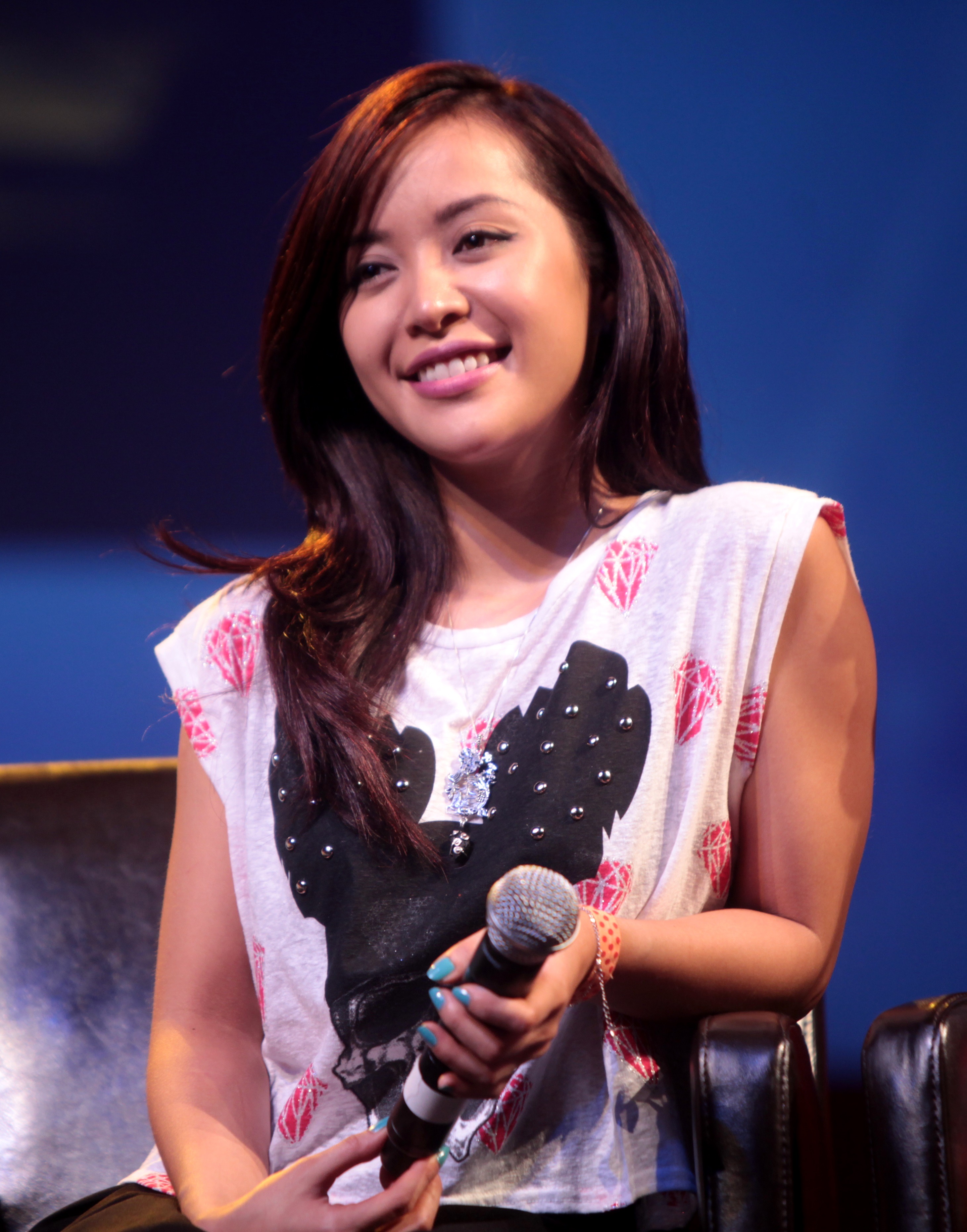
YouTube beauty pioneer; co-founder, Ipsy; founder, EM Cosmetics · b. 1987 · Boston, Massachusetts → Tampa, Florida
Two calls made by hand, not formulas. how we score →
Summary
She built one of the first big YouTube beauty followings from a bedroom webcam, then did what most early beauty vloggers never did: brought in co-founders and investors and turned the audience into equity in an actual company.
Ipsy grew into a business reportedly worth hundreds of millions. Her own stake was never made public, and the number people repeat is usually the company's, not hers.
How it happened
Born in Boston and raised mostly in Tampa, alongside an elder brother and a younger half-sister. Her father struggled with gambling addiction and her mother later separated from a stepfather; Phan has described working at her mother's nail salon growing up. She left Ringling College of Art and Design before finishing a degree because the family couldn't afford it.
She posted makeup tutorials on a blog and then Xanga before moving to YouTube in May 2007. Her first video drew about 40,000 views in a week. Two "How to Get Lady Gaga's Eyes" tutorials went viral in 2009 and 2010 after BuzzFeed picked them up, pushing her past a million subscribers, and in 2010 Lancôme made her its first Vietnamese-American spokesperson.
In 2011 she co-founded MyGlam with Marcelo Camberos, formerly of Funny or Die, and Jennifer Goldfarb, a former Goldman Sachs banker who'd run corporate strategy at Bare Escentuals. It launched publicly in September 2012 as Ipsy after raising $3.8 million in seed and Series A funding, using her subscriber base as the customer engine. That's the real turn: two people who knew how to run a company, and her audience as the thing that made investors and subscribers show up.
Ipsy raised a $100 million Series B from TPG Growth and Sherpa Capital in September 2015, reported at the time as valuing the company at over $500 million (other reporting later put it nearer $800 million). L'Oréal had licensed her name for EM Cosmetics in 2013; she bought its stake back through Ipsy in 2015, confirmed it publicly in 2016, and relaunched EM as her own independent brand in 2017, stepping back from Ipsy to run it.
She went quiet on YouTube in 2015 with no explanation. In a June 2017 video she said it came down to a copyright lawsuit, EM Cosmetics' rocky first launch under L'Oréal, and her own struggles with self-image and burnout — "somewhere along the journey I lost myself," she said. She returned occasionally after that and came back for good in 2019.
Public net-worth estimates put her around $50 million, which is a real outcome but not the same number as Ipsy's valuation, which is the company's and not hers. The company itself kept growing without her day to day: it bought BoxyCharm for $500 million in 2020 and merged the two brands in 2023.
The coded evidence
Thirteen groups, every claim sourcedSecond generation; born in the US to Vietnamese immigrant parents
↗ en.wikipedia.orgnot established
Not established; plausible given immigrant parents but not documented.
↗ en.wikipedia.orgNo fallback established. Her father struggled with gambling addiction and her mother separated from a stepfather; the family's finances were unstable enough that Phan left college over the cost.
↗ en.wikipedia.orgnot established
No steady household income floor is documented during her early YouTube years; she has described working at her mother's nail salon.
↗ thecut.comThe hardship was imposed, not chosen. There was nothing to fall back on.
↗ en.wikipedia.orgFather struggled with gambling addiction; occupation not established. Mother worked at a nail salon and later separated from a stepfather. Phan has said she worked at her mother's salon growing up.
↗ thecut.comTampa, Florida, where she was mostly raised after being born in Boston.
↗ en.wikipedia.orgBorn in Boston; family relocated to Tampa, Florida during her childhood.
↗ en.wikipedia.orgLancôme made her its official video makeup artist in 2010, its first Vietnamese-American spokesperson, after she featured its products in her videos unprompted.
↗ en.wikipedia.orgA personal blog and Xanga, then YouTube starting May 2007.
↗ en.wikipedia.orgMarcelo Camberos, who joined as CEO from Funny or Die, and Jennifer Goldfarb, a former Goldman Sachs investment banker who had run corporate strategy at Bare Escentuals, co-founded MyGlam/Ipsy with her in 2011. Neither came from her YouTube audience; both brought operating and finance experience she didn't have.
↗ en.wikipedia.orgA subscriber base built from 2007 onward, past a million after the 2009–2010 BuzzFeed-driven Lady Gaga tutorials, was the customer funnel MyGlam/Ipsy launched into in 2011–2012.
↗ web.archive.orgSkipped the traditional beauty-industry gatekeepers (magazine editors, department-store counters) by publishing directly to YouTube. "If YouTube is going to be the global television of the future, I need to build my brand here," she said of her early reasoning.
↗ web.archive.orgHer own YouTube channel, which reached over 8 million subscribers and more than a billion views, was the distribution channel Ipsy was built on top of.
↗ en.wikipedia.orgAttended Ringling College of Art and Design but left before completing a degree because the family couldn't afford it. Received an honorary doctorate of arts from Ringling in 2014.
↗ en.wikipedia.orgMyGlam/Ipsy's actual first capital was $3.8 million in seed and Series A funding raised before its September 2012 public launch, not personal savings.
↗ en.wikipedia.orgIt needed capital up front, before it earned anything.
Outside seed and Series A money came in before the subscription business had meaningful revenue.
↗ en.wikipedia.org$100 million Series B from TPG Growth and Sherpa Capital in September 2015. Forbes reported the deal valuing Ipsy at "over $500 million" at the time; other reporting cited by Wikipedia put the same round at roughly $800 million.
The valuation is contested across sources. Treat as a company figure only, never as a stand-in for her personal net worth.
↗ web.archive.orgBought L'Oréal's stake in EM Cosmetics back through Ipsy in April 2015, confirmed it publicly in December 2016, then acquired the brand outright from Ipsy and relaunched it independently in April 2017, giving her full ownership of the line.
↗ en.wikipedia.orgEM Cosmetics began in August 2013 as a L'Oréal-licensed line, "EM Cosmetics by Michelle Phan," dedicated to her mother — not a company she owned outright from the start.
↗ en.wikipedia.orgA minority co-founder alongside two operating partners who ran the company day to day. Her actual ownership percentage in Ipsy has never been publicly disclosed; secondary retellings that cite the company's $500M–$800M valuation as if it were her personal wealth are overstating what's actually known.
↗ web.archive.org2
Counts Ipsy and EM Cosmetics as the two clear fame-to-equity conversions. Other ventures (FAWN, ICON network, Shift Music Group) are documented but their equity terms for her personally are not.
↗ en.wikipedia.org1
Counts EM Cosmetics' rocky initial 2013 launch under L'Oréal, which she herself cited as a reason for her 2015 YouTube hiatus, before she bought the brand back and relaunched it independently.
↗ en.wikipedia.orgnot established
EM Cosmetics ran as a L'Oréal license at first, so L'Oréal likely bore most of the initial launch cost, but this isn't stated outright.
↗ en.wikipedia.orgBuilt her channel during YouTube's early ad-revenue-sharing years, then co-founded Ipsy just as venture money was flowing into subscription commerce generally, alongside comparable startups like Birchbox and Dollar Shave Club.
↗ web.archive.orgBuzzFeed featured her "How to Get Lady Gaga's Eyes" tutorials in 2009 and 2010, pushing her past a million subscribers and setting up both the Lancôme deal and the audience Ipsy launched into.
↗ en.wikipedia.orgBeauty content and influencer marketing; subscription commerce; cosmetics
↗ en.wikipedia.org50000000
Aggregator estimate; no filing or disclosed valuation exists for a private individual's stake. Other aggregator figures range roughly $45M–$58M. This is a company-adjacent figure, not a stake percentage in Ipsy — the two are frequently conflated in secondary coverage.
↗ celebritynetworth.comAggregator
↗ celebritynetworth.comStarted as ad revenue and brand sponsorships (income), which funded nothing durable on its own; the wealth is the equity stake from co-founding Ipsy and owning EM Cosmetics outright, an appreciating asset rather than a paycheck.
↗ en.wikipedia.orgWidely credited as one of the first people to make being an influencer a career, named to Forbes and Inc. 30 Under 30 lists in 2015, and ranked #2 on Forbes' first Top Influencers list (beauty category) in 2017.
↗ forbes.comUncapped
↗ en.wikipedia.orgUltra Records sued her in July 2014 for copyright infringement over music used in her videos, seeking up to $7.5 million; she countersued that September. Both suits were dropped in August 2015 when the parties settled out of court on undisclosed terms.
↗ en.wikipedia.orgAfter
↗ en.wikipedia.orgIncidental
Music use in tutorial videos was routine practice at the time, not something that drove her business outcomes.
↗ en.wikipedia.orgCivil wrong
↗ en.wikipedia.orgburned out, Private, influencer pioneer
↗ thecut.comPress
↗ thecut.comMixed
Widely credited as a pioneer, but reporting has also covered her promotion of alternative-medicine and pseudoscience-based products as a downside of the same public-facing persona.
↗ en.wikipedia.orgRolling Stone reported in 2022 on her promotion of alternative medicine and pseudoscience-based products and beliefs to her audience; she has not disputed the underlying reporting in public.
Attributed reporting, not an adjudicated finding.
↗ en.wikipedia.orgStructural context
The cost-of-failure score comes from this person's own money and circumstances. But who they were in America carried its own weight, the same way their household or income did, and it shaped how hard the path was just as much. That part isn't in the cost-of-failure number. It's here instead.
Across film, music, and digital, ownership and control stay in far fewer women's hands than men's. For one measure, women directed only about 12% of 2023's top-grossing films.
↗ assets.uscannenberg.orgImmigrants and their children are overrepresented among America's biggest companies, as founders and as senior leaders. They got there through the visa, credential, and network hurdles that make the path harder to even start down.
↗ forbes.comAmong the people recorded here — women: 54 · Asian subjects: 11. Representation here is who reached these outcomes, not equal odds of reaching them.
Controlled comparisons
Each holds one thing constant and varies another, so the difference is the point. A list of similar names wouldn't tell you anything.