Tyler Perry
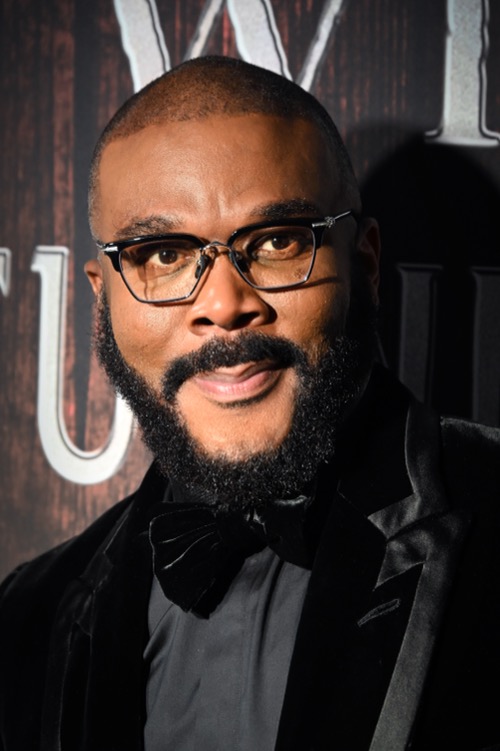
Founder, Tyler Perry Studios · b. 1969 · New Orleans, Louisiana
Two calls made by hand, not formulas. how we score →
Summary
He spent his own savings staging the same play over and over for six years, sleeping in his car between runs, until he found the audience through Black churches that Hollywood wasn't serving.
Then he put every payday into rights and buildings instead of spending it, and ended up owning his studio and his whole library outright.
How it happened
Poverty in New Orleans and a father who beat him. He dropped out around sixteen, changed his first name to get distance from his dad, and later earned a GED. There was no college and no family money to fall back on.
In 1992 he put about $12,000 of his own savings into a play, "I Know I've Been Changed." He hoped for over a thousand people opening weekend and thirty showed up. He kept restaging it for roughly six years, getting evicted and living in his car between runs.
In 1998 he promoted the show through Black churches, an audience the industry wasn't chasing, and it sold out the House of Blues in Atlanta and then the Fox. He collected the address of everyone who came, so he owned the list instead of renting one.
He reinvested the cash into film and kept his characters, scripts, and library through every distribution deal. In 2015 he bought the 330-acre former Fort McPherson army base in Atlanta outright and built his studio on it.
Forbes called him a billionaire in 2020, and nearly all of it was assets he owned: the studio, the content library, a stake in BET+. He is the one person here who had no cushion of any kind at any point.
The coded evidence
Thirteen groups, every claim sourcedDescendant
↗ blackpast.orgFaith is central to his own account and to the church-based audience he built; denomination not established from the public record.
↗ cbsnews.comnot established
No fallback established. His family was the source of the childhood harm, not a safety net, and he was self-funding while homeless at points.
↗ georgiaencyclopedia.orgMultiple evictions and a period living in his car during the years he was staging the failing play.
↗ georgiaencyclopedia.orgThe hardship was imposed, not chosen. There was nothing to fall back on.
↗ cbsnews.comFather a carpenter; mother worked at a preschool in New Orleans.
↗ georgiaencyclopedia.orgnot established
He has referred to sisters, but an exact sibling count and birth order are not established.
↗ cbsnews.comHas said publicly he attempted suicide more than once as a teenager, and spoke about it again in December 2022.
His own on-record disclosure. A documented suicide attempt is a definitive headwind and is reflected in the score. The childhood context remains sequestered in its own sensitive field and is not surfaced here.
↗ 11alive.comHas stated on the record (60 Minutes, 2009; The Oprah Winfrey Show, 2010) that his father beat him through his teens, and that he was sexually abused by four adults as a child, beginning around age five or six.
His own on-record disclosures. Attributed to him; individuals are not named here.
↗ cbsnews.comPoor, majority-Black New Orleans.
↗ georgiaencyclopedia.orgA church-touring, largely Southern Black audience that became a repeat customer base for the plays.
↗ trapital.comOpened his own door. No agent, no studio, no introduction; he financed, wrote, and promoted the early work himself.
↗ georgiaencyclopedia.orgBuilt his audience through Black churches and the urban theater circuit, recruiting choir members to perform and drawing their congregations, a channel the film and TV industry was not serving.
↗ trapital.comCollected attendees' contact details at every performance and built a mailing list he owned, reported at around 400,000 people by 2005, before his first film.
↗ trapital.comNo college. Dropped out of high school around sixteen and later earned a GED.
↗ georgiaencyclopedia.orgAbout $12,000 of his own savings, earned from wage jobs, put into the first play in 1992.
↗ georgiaencyclopedia.orgIt paid its own way from the start. Revenue came before any outside money.
Once the plays hit in 1998, everything after was funded from ticket revenue.
↗ trapital.comReinvested play and film profits into buildings and ownership rather than consuming them, first an earlier Atlanta studio, then the Fort McPherson campus.
↗ georgiaencyclopedia.orgKept his characters, scripts, and library through his distribution deals, including a 50/50 arrangement with Lionsgate that left creative control and direct audience access with him.
↗ cbsnews.comBought the 330-acre former Fort McPherson army base in Atlanta outright in 2015 (reported at $30M) and built Tyler Perry Studios on it, the largest Black-owned studio in the US.
Most sources report $30M; one later summary says $35M.
↗ ajc.comnot established
He produces inside Georgia's film-tax-credit regime, but a Perry-specific subsidy or below-market land deal at Fort McPherson is not established.
↗ georgia.orgPersonal experience. The first play grew out of Oprah Winfrey's on-air remark about writing as therapy, applied to his own childhood.
↗ georgiaencyclopedia.orgnot established
Not separate ventures but one show restaged repeatedly. See relaunchCount.
↗ trapital.comSelf, from wage work, at times while homeless, for about six years before the first hit.
↗ georgiaencyclopedia.orgnot established
He restaged the same play repeatedly across roughly 1992 to 1998. Sources say "several times" and "for years"; an exact count is not established.
↗ trapital.comWage labor and odd jobs, plus his own savings, between the failed runs.
↗ cbsnews.comA strong late-1990s urban theater circuit for gospel plays, then the post-2008 Georgia film-tax-credit boom that made Atlanta a production hub as he built the studio.
↗ variety.comBuilt. Created the format, the characters, and the audience from nothing rather than acquiring an existing asset.
↗ trapital.comFilm and television
↗ cbsnews.com1000000000
Forbes declared him a billionaire on 3 Sep 2020 with a disclosed asset breakdown. Band only.
↗ cbsnews.comJournalistic estimate
Forbes valuation with a stated breakdown of studio, library, cash, and BET+ stake.
↗ cbsnews.com2020
↗ cbsnews.comWealth, not salary. The value sits in owned, appreciating assets: the studio real estate, the content library, and the BET+ stake.
↗ cbsnews.comUncapped
↗ cbsnews.comIn 2008 the Writers Guild organized writers on his TBS shows and four were fired. The guild filed unfair-labor-practice charges alleging retaliation. With the NAACP mediating, Perry agreed to become a WGA signatory, giving his TV writers union health and pension benefits; the four fired writers were not rehired.
↗ writersdigest.comAfter
↗ writersdigest.comIncidental
Low-cost, non-union production held costs down, but the outcome was driven by ownership and audience, not by the labor practice.
↗ tvline.comNone
No personal liability. His company became a guild signatory and the matter resolved.
↗ writersdigest.comCame up with no union protection and, as an employer, first ran non-union before becoming a signatory. He has since said he writes his series himself with no writers' room, which fans praise and the industry criticizes for not opening the door to other writers.
↗ tvline.comProlific, Control oriented, Faith driven, Self made
↗ cbsnews.comPublic
↗ cbsnews.comMixed
↗ thewrap.comSplit by audience. A self-made-mogul hero to a large, church-going Black public, while critics including Spike Lee have argued his Madea work leans on negative stereotypes. He has defended it as the world he grew up in.
↗ thewrap.comStructural context
The cost-of-failure score comes from this person's own money and circumstances. But who they were in America carried its own weight, the same way their household or income did, and it shaped how hard the path was just as much. That part isn't in the cost-of-failure number. It's here instead.
Men hold most of the ownership and gatekeeping across the creative and media industries, the default that recognition and deals flow toward.
↗ assets.uscannenberg.orgIn the creative and media industries, recognition comes far more easily to underrepresented creators than the ownership it should turn into. Among 2023's top-grossing film directors, for one measure, eight were Black.
↗ assets.uscannenberg.orgAmong the people recorded here — men: 168 · Black subjects: 58. Representation here is who reached these outcomes, not equal odds of reaching them.
Controlled comparisons
Each holds one thing constant and varies another, so the difference is the point. A list of similar names wouldn't tell you anything.