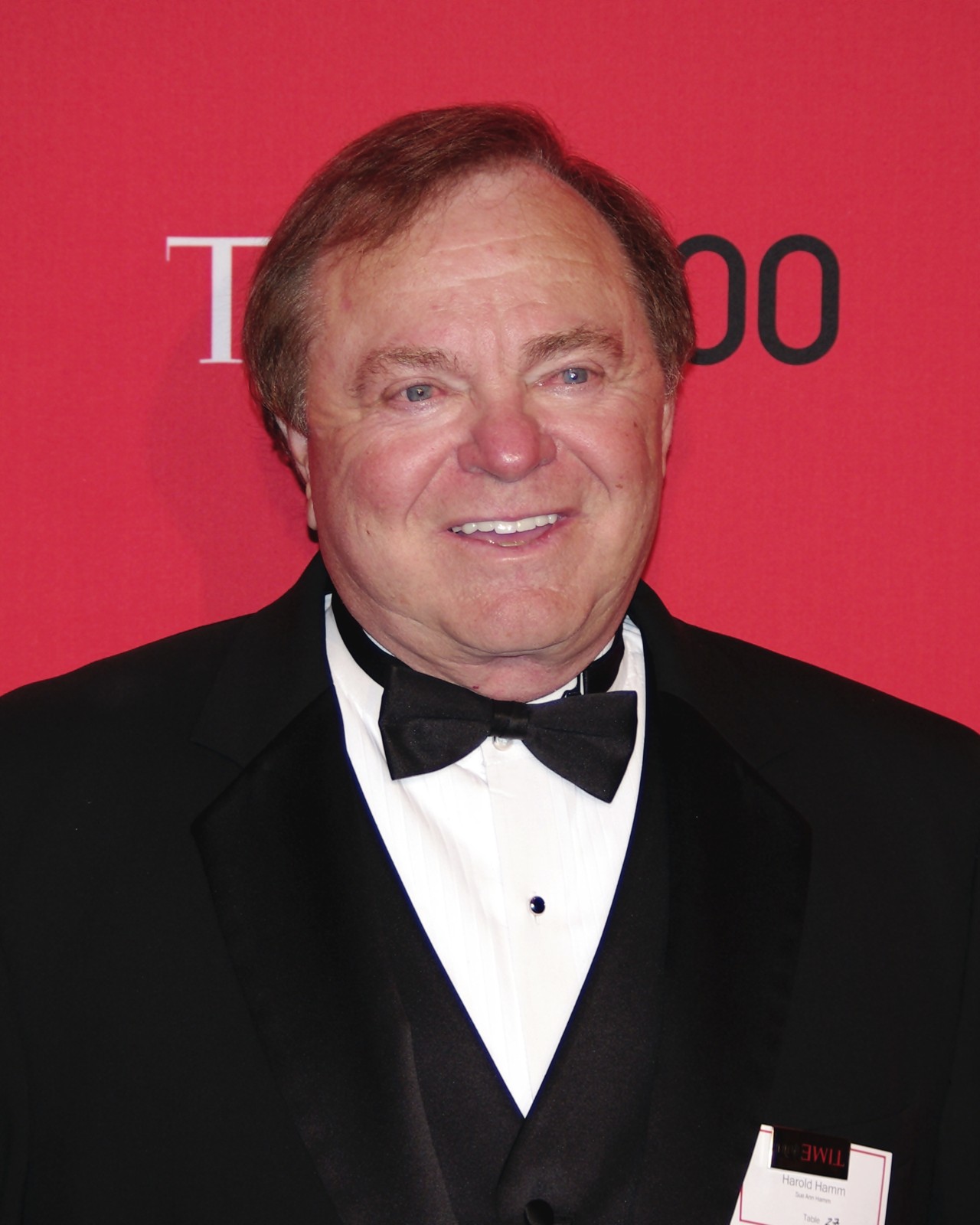
Ernest Garcia III
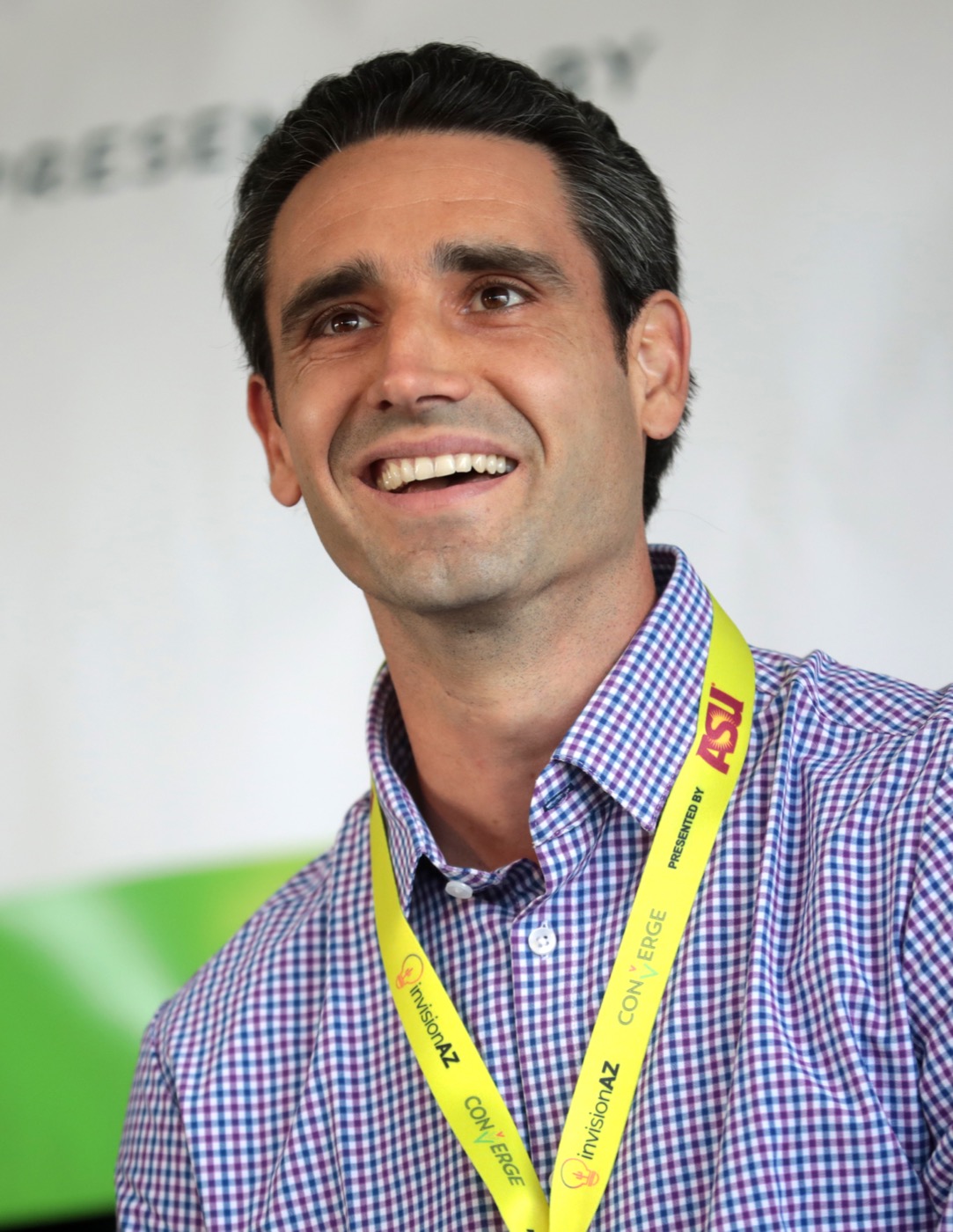
Co-founder, CEO and chairman of Carvana, the online used-car retailer · b. 1982 · Arizona (birthplace not established)
Two calls made by hand, not formulas. how we score →
Summary
He worked at his father's used-car company, DriveTime, for several years, then co-founded Carvana in 2012 as a DriveTime subsidiary with that company's funding.
Carvana listed in 2017, nearly failed in 2022 and recovered. He holds about a third of the vote through Class B shares, and Forbes puts him at $11.1B.
Where they worked
How it happened
Garcia is the son of Ernest Garcia II, who built the used-car lender DriveTime. Wikipedia doesn't give his birthplace or say anything about his mother or upbringing. He took a bachelor's in management science and engineering at Stanford in 2005, then worked as an associate in the principal transactions group at RBS Greenwich Capital.
He joined DriveTime in 2007 as a financial strategist. Carvana's 2026 proxy lists him as managing director of corporate finance in 2008 and 2009, then vice president, treasurer and director of quantitative analytics until 2013. The proxy says that work included building consumer credit scoring models and structuring deals.
In 2012 he, Ryan Keeton and Ben Huston started Carvana inside DriveTime. Wikipedia says DriveTime provided the initial funding; the terms were not found in the sources opened. The company was spun off, with a sublease from DriveTime in 2014 for two of its reconditioning centers, and went public on the NYSE in 2017.
Carvana's stock fell about 90% from its high in 2022. It cut about 12% of staff in May 2022 and, per CNBC as summarized by Wikipedia, more than 4,000 jobs in the restructuring that followed. Bloomberg reported his fortune fell 98% that year. By the 2025 proxy year the company reported $1.9B in net income.
The 2026 proxy shows him owning 36% of the Class B stock and holding 33% of the total vote. His father holds 56% of Class B and 50% of the vote. Class B shares held by the Garcia family carry ten votes each. His 2025 summary compensation total was about $8.4M. Forbes puts his net worth at $11.1B and scores him 5 on its self-made scale. Carvana still does business with DriveTime, which its filings describe as a related party.
In January 2025 the short seller Hindenburg Research, which said it held a short position, published a report alleging that Carvana's dealings with DriveTime and its loan sales flattered the company's results. Carvana called the report misleading and inaccurate. A securities class action against the company is pending in federal court in Arizona. These are allegations and nothing in them has been adjudicated.
The coded evidence
Thirteen groups, every claim sourcednot established
Not established. Neither his Wikipedia page nor his father's states heritage, and no self-description was found. Left uncoded rather than inferred from the surname.
↗ en.wikipedia.orgnot established
Not established. Hardness rests on the family company that employed him and funded Carvana, not on a documented household safety net.
↗ en.wikipedia.orgSalaried employee of DriveTime, his father's company, 2007 to 2013, before and during Carvana's first year.
Salary amounts in those years not found.
↗ sec.govFather, Ernest Garcia II, built Ugly Duckling and its successor DriveTime, a used-car seller and lender; mother not identified in sources opened.
↗ en.wikipedia.orgA parent worked for themselves, the strongest known predictor of founding.
↗ en.wikipedia.orgPhoenix-area family business; Carvana is headquartered in Tempe, Arizona, not a typical venture hub.
Tempe address from the proxy. Forbes lists his residence as Phoenix.
↗ sec.govDriveTime, his father's company, where Carvana began as a subsidiary and shared early reconditioning space.
↗ en.wikipedia.orgRyan Keeton and Ben Huston.
↗ en.wikipedia.orgB.S., Stanford University, management science and engineering, 2005.
↗ en.wikipedia.orgInitial Carvana funding came from DriveTime, per Wikipedia. Amount and terms not found.
originCapital coded family-loan provisionally; whether it was a loan, equity or an intercompany arrangement is not established.
↗ en.wikipedia.orgDriveTime, owned by his father, funded Carvana at the start. Amount not found.
↗ en.wikipedia.orgDual class. Garcia family Class B shares carry ten votes while the family holds at least 25% of Class A on an as-exchanged basis. As of March 10, 2026 he beneficially owned 2,307,878 Class A shares (2%) and 27,666,483 Class B shares (36% of Class B), 33% of total voting power. His father held 42,442,317 Class B shares (56%) and 50% of the vote.
↗ sec.govThe Garcia family together holds a majority of the vote through Class B shares, well above its Class A economic stake. His father's block is larger than his own.
33% plus 50% votes as reported; the table lists them separately and the two are controlled separately.
↗ sec.govCarvana's stock fell about 90% from its high by May 2022 as rates and used-car prices rose, then recovered after a restructuring that cut more than 4,000 jobs.
↗ en.wikipedia.orgOnline used-car retail and auto finance
↗ forbes.com11100000000
Forbes real-time figure on November 14, 2026; self-made score 5, source "used cars". The brief expected about $10.2B, so figures move; Bloomberg's index uses a different method and was not opened.
↗ forbes.comJournalistic estimate
↗ forbes.com2026
↗ forbes.com8382555
2025 Summary Compensation Table total as shown in the pay-versus-performance table. 2024 was $10.6M, so 2024 is the higher year of the five shown. Compensation actually paid was $110M in 2025 and $118M in 2024 because of stock moves.
↗ sec.govProxy statement
↗ sec.govMostly paper wealth in Carvana stock. His sales were not checked. Hindenburg's report says his father sold about $3.6B of stock in 2020 to 2021.
The sales figure is an allegation-report figure about the father; Wikipedia's page on the father also says he sold more than $3.6B over about a year.
↗ hindenburgresearch.comErnst & Young Entrepreneur of the Year, Mountain Desert region, 2016; Fortune 40 Under 40, 2017.
↗ en.wikipedia.orgUncapped
↗ forbes.comCarvana said at its Q4 2024 results that it was cooperating with an SEC investigation tied to the allegations in the January 2025 Hindenburg report, per a news summary. No outcome found.
From a search-result summary; the page was not opened in full.
↗ newsable.asianetnews.comA securities class action against Carvana is pending in the U.S. District Court for the District of Arizona. Per Wikipedia, as of February 2025 the court had denied the defendants' motions to dismiss and the case had moved to discovery. Nothing has been adjudicated.
Whether he is a named defendant was not established.
↗ en.wikipedia.orgAfter
↗ en.wikipedia.orgIncidental
The allegations, if true, concern how results were presented and would not explain how he got his position. Coded incidental pending any finding.
↗ en.wikipedia.orgHindenburg Research, which disclosed a short position, published "Carvana: A Father-Son Accounting Grift For The Ages" on January 2, 2025. It alleged, among other things, that Carvana's dealings with DriveTime and its undisclosed buyer of about $800M in loans were structured to flatter results. Carvana called the report intentionally misleading and inaccurate. These are the report's claims and the company's response, not findings.
Company response from a news summary (pymnts.com/?p=2422201) surfaced in search; not opened in full.
↗ hindenburgresearch.comStructural context
The cost-of-failure score comes from this person's own money and circumstances. But who they were in America carried its own weight, the same way their household or income did, and it shaped how hard the path was just as much. That part isn't in the cost-of-failure number. It's here instead.
Men founded the companies that took nearly all the venture funding and almost every top outcome, a tailwind that never shows up in one person's own circumstances.
↗ techcrunch.comAmong the people recorded here — men: 229. Representation here is who reached these outcomes, not equal odds of reaching them.
Controlled comparisons
Each holds one thing constant and varies another, so the difference is the point. A list of similar names wouldn't tell you anything.