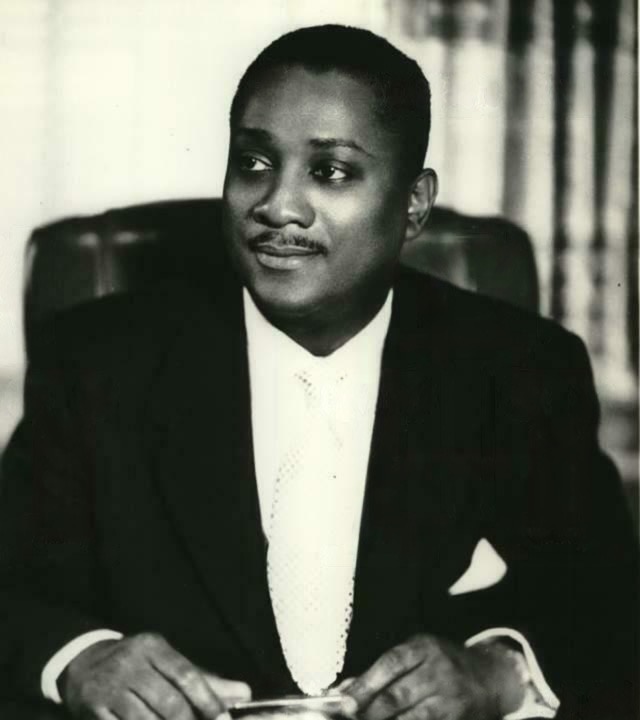
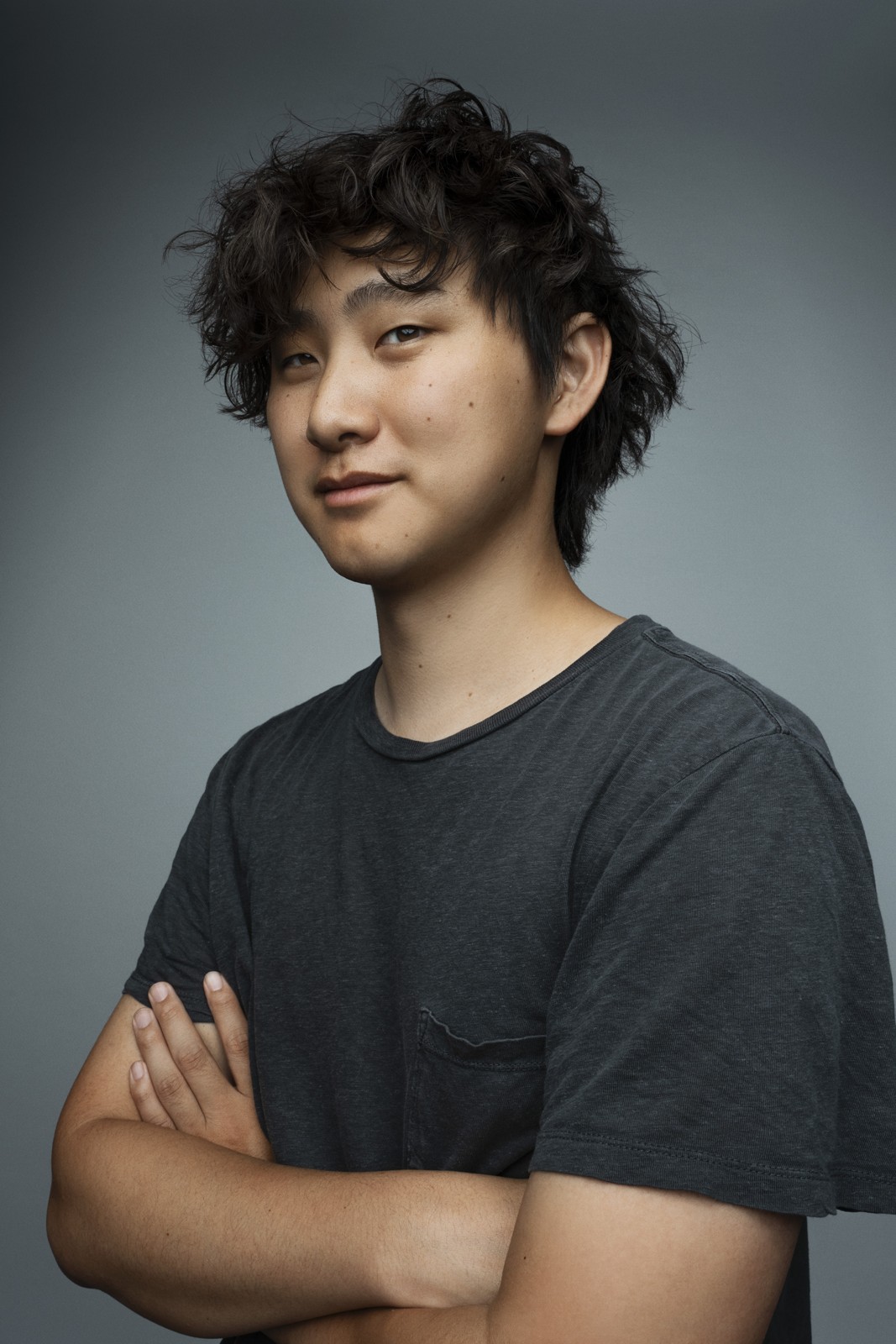
Alejandro Zaffaroni
Biochemist and serial biotech founder; led Syntex's steroid and oral-contraceptive research, then founded ALZA, DNAX, Affymax, Affymetrix, Symyx, Maxygen, and Alexza · b. 1923–2014 · Montevideo, Uruguay
Two calls made by hand, not formulas. how we score →
Summary
Orphaned by both parents before he was out of his teens, in an otherwise comfortable Montevideo family, he reached Rochester on a 1945 scholarship and spent seventeen years learning steroid chemistry inside Syntex.
In 1968 he left to found ALZA on a drug-delivery idea Syntex's board had rejected, then kept founding companies, nine in all, until he died in 2014.
How it happened
Alejandro Zaffaroni was born February 27, 1923, in Montevideo, Uruguay, to a father who worked in banking; his paternal grandfather had immigrated from Italy at sixteen. It was a comfortable, professional household, but not a stable one for long: his mother died when he was twelve and his father when he was eighteen. A relative who had founded a hospital in Montevideo let him watch surgeries and give patients injections as a teenager. Childhood asthma kept him out of soccer, the national obsession, and pushed him toward books instead, Jules Verne among them.
He started out studying medicine in Montevideo but found no biochemistry PhD program anywhere in Uruguay. In 1945 a scholarship from the Institute of International Education got him to the United States. He looked at Harvard and at the University of Rochester and chose Rochester, because a professor there, W.R. Bloor, offered him his own lab rather than a spot in someone else's. He finished his PhD in biochemistry in 1949, working out a paper-chromatography method for isolating steroids that spread through the field, then stayed on for an NIH fellowship through 1951.
In 1951 he joined Syntex, then a small Mexican chemical company, to build its research operation, and he was part of the push to move the company to Palo Alto. He contributed to the team that developed norethindrone, the compound behind the first oral contraceptive, and helped negotiate the licensing deal that got it to market through Johnson & Johnson's Ortho subsidiary. He also worked on the corticosteroids that became one of Syntex's other big product lines. By 1956 he was executive vice president and research director; by 1962, president of Syntex Laboratories, the company's US subsidiary.
He wanted Syntex to build controlled drug-delivery systems, medicines released into the body on a schedule rather than swallowed all at once. The board turned it down. In 1968 he left and founded ALZA himself, naming the company after his own initials. It was a rough start: early products like the Ocusert glaucoma insert were clever but didn't sell, and by 1977 ALZA was carrying more than $20 million in losses and debt. The turn came in 1983, when Ciba-Geigy licensed ALZA's Transderm-Nitro nitroglycerin patch, turning a $20 million market into a billion-dollar one. Johnson & Johnson bought ALZA outright in 2001 for about $11 billion.
He didn't stop at one. Over the next three decades he founded or co-founded DNAX in 1980 with the Nobel laureate Arthur Kornberg, Affymax around 1988, Affymetrix in 1991 to build DNA microarray chips, Symyx in 1994, Maxygen in 1997, and Alexza in 2000, among others, nine companies in total and roughly 130 patents. Asked about it late in life, he said he didn't expect to ever retire.
President Clinton awarded him the National Medal of Technology in 1995. He was elected to the National Academy of Sciences, the National Academy of Engineering, and the Institute of Medicine, and entered the National Inventors Hall of Fame in 2012. With his wife, Lida, he endowed a scholarship and fellowship program at Stanford for Latin American students. He died at his home in Atherton, California, on March 1, 2014, of complications from dementia, at 91.
The coded evidence
Thirteen groups, every claim sourcedCoarse public-record coding; race is a noisy, interpretive category. He was a Latin American of Italian descent, born and raised in Uruguay.
↗ en.wikipedia.orgFirst-generation immigrant to the United States; arrived 1945 for graduate study
↗ nationalacademies.orgRaised in a professional, banking-connected household in Montevideo, but both parents died before he reached adulthood — his mother when he was twelve, his father when he was eighteen. A relative who had founded a hospital in the city gave him access and informal mentorship as a teenager. What became of the family's material security after his father's death, and who specifically supported him through the rest of his adolescence, is not documented in the sources reviewed.
Coded as a comfortable, professional-class origin rather than a hard one: a banking family, a fully funded path through university and an elite US PhD, and no documented income precarity at any point. Hardness is coded 3 rather than lower to reflect the loss of both parents in childhood and adolescence, which is a real hardship independent of the family's class position.
↗ urmc.rochester.eduBy the time he left Syntex to found ALZA in 1968, he was a well-compensated senior executive with seventeen years of standing in the pharmaceutical industry and, presumably, accumulated savings and equity from that tenure, though no specific severance or stock figure is documented in the sources reviewed.
↗ urmc.rochester.edu2
Two children, Alejandro and Elisa, both born in Rochester; their ages at the time of the 1968 ALZA founding are not documented.
↗ urmc.rochester.edunot established
No period of visible austerity, chosen or imposed, is documented in the sources reviewed.
↗ en.wikipedia.orgFather worked in banking in Montevideo; mother's occupation is not documented.
↗ en.wikipedia.orgNeither parent was self-employed.
A banking career reads as salaried employment rather than self-employment, though this is not explicitly stated.
↗ en.wikipedia.orgnot established
Not established in the sources reviewed. No documented family relationship to the Argentine jurist Eugenio Raúl Zaffaroni was found; that connection is not asserted here.
↗ en.wikipedia.orgA relative who had founded a hospital in Montevideo let the teenage Zaffaroni observe surgeries and administer injections to patients, giving him early, direct exposure to medicine years before university.
↗ urmc.rochester.eduA comfortable, professional Montevideo family with an Italian immigrant grandfather, not a wealthy or titled one; no documented multigenerational institutional standing beyond that.
↗ en.wikipedia.orgHis mother died when he was twelve; his father died when he was eighteen. He grew up otherwise in a stable, professional household, but lost both parents before reaching adulthood.
↗ en.wikipedia.orgHad childhood asthma, which kept him from playing soccer; no documented effect on his education or career.
↗ urmc.rochester.eduLost both parents in childhood and adolescence — his mother at twelve, his father at eighteen — within an otherwise comfortable family. This is drawn from university and biographical-memoir accounts rather than the subject's own on-record statements; no details of the circumstances of either death are documented.
↗ nationalacademies.orgMontevideo, Uruguay.
↗ en.wikipedia.orgEmigrated from Montevideo to Rochester, New York in 1945 on an Institute of International Education scholarship to pursue graduate study; remained in the United States for the rest of his career, settling in the San Francisco Bay Area once Syntex relocated there.
↗ nationalacademies.orgUniversity of Rochester professor W.R. Bloor offered the newly arrived graduate student his own laboratory rather than a place in someone else's — the deciding factor over Harvard, by Zaffaroni's own later account.
↗ urmc.rochester.eduSyntex, S.A., where he worked from 1951 to 1968, rising from staff biochemist to executive vice president and research director, then president of Syntex Laboratories, its US subsidiary.
↗ urmc.rochester.eduCredibility, Network, Skill
Syntex supplied deep steroid- and drug-chemistry expertise, senior executive standing, and an industry network; whether it also supplied meaningful capital toward ALZA's 1968 founding is not documented.
↗ urmc.rochester.eduALZA had no documented co-founder; it was founded solely by Zaffaroni in 1968. DNAX, founded in 1980, was co-founded with the Nobel laureate biochemist Arthur Kornberg.
↗ urmc.rochester.eduSeventeen years at Syntex, where he helped build the research operation from a small Mexican chemical company into a major pharmaceutical firm, contributed to the norethindrone and corticosteroid programs, and rose to president of its US subsidiary before founding ALZA.
↗ urmc.rochester.edu1
Syntex was his only employer before he began founding his own companies in 1968.
↗ urmc.rochester.eduAs a teenager, a relative who had founded a hospital in Montevideo let him observe surgeries and give patients injections, years before he could have gotten that kind of access through school.
↗ urmc.rochester.eduPhD, biochemistry, University of Rochester (1949; some sources give 1950); undergraduate study at the University of the Republic in Montevideo (1945).
Wikipedia's infobox lists the PhD year as 1950; the NAS memorial tribute and University of Rochester materials both give 1949.
↗ nationalacademies.orgNo documented debt. His graduate study was funded by an Institute of International Education scholarship followed by an NIH fellowship through 1951.
↗ nationalacademies.orgDirect — undergraduate study in Montevideo into a fully funded US PhD program, with no community-college or military detour.
↗ nationalacademies.orgThe 1945 Institute of International Education scholarship that brought him to the US bundled funding with admission for a foreign student for whom no equivalent graduate program existed at home; an NIH fellowship extended that funding through 1951.
↗ nationalacademies.orgThe University of Rochester biochemistry department connected him to the NIH fellowship and, from there, to industry contacts that led to his recruitment by Syntex in 1951.
↗ nationalacademies.orgNot precisely documented. ALZA was founded in 1968 on the strength of his standing and accumulated income from seventeen years at Syntex; the specific size of his personal initial investment, and whether outside investors were involved from the outset, is not established in the sources reviewed.
↗ urmc.rochester.eduHis founding position came from seventeen years of senior technical and executive compensation at Syntex, not from family money or inheritance.
↗ urmc.rochester.eduALZA took on substantial outside financing over its first decade; early products underperformed and by 1977 the company carried more than $20 million in losses and debt. A 1983 licensing deal with Ciba-Geigy for the Transderm-Nitro patch turned the business around, and Johnson & Johnson acquired ALZA outright in 2001 for approximately $11 billion. His later companies — Affymetrix, Symyx, and Maxygen among them — were venture-backed and went public in the 1990s biotech boom.
↗ urmc.rochester.eduALZA developed and owned its own drug-delivery technology platforms (transdermal patches, osmotic pump systems) rather than licensing the underlying science from elsewhere.
↗ urmc.rochester.eduGrew directly out of his prior employer: Syntex's board rejected his proposal to build controlled drug-delivery systems, so he left to pursue the same idea independently at ALZA.
↗ urmc.rochester.eduALZA itself ran unprofitably for roughly fifteen years — early products like the Ocusert glaucoma insert sold poorly, and by 1977 the company carried more than $20 million in losses and debt — before the 1983 Transderm-Nitro licensing deal turned it around. Who absorbed those years of losses (investors, debt holders, or a combination) is not detailed in the sources reviewed.
↗ urmc.rochester.eduFounded ALZA in 1968 as Silicon Valley's venture-capital and biotechnology ecosystem was first forming, and as Syntex's own success in Palo Alto had already demonstrated that a serious pharmaceutical research company could operate outside the traditional East Coast pharma centers.
↗ urmc.rochester.eduPalo Alto, California, where Syntex had relocated and where he founded ALZA.
↗ urmc.rochester.eduBuilt — ALZA and each subsequent company was a new venture, not an acquisition.
↗ urmc.rochester.edu46
From ALZA's 1968 founding to his death in 2014, he continued founding new companies roughly every few years rather than running a single compounding vehicle; the value reflects total span of the career, not one continuous engine.
↗ urmc.rochester.eduBiotechnology and pharmaceuticals — drug-delivery systems and genomics
↗ en.wikipedia.org300000000
A Forbes profile from 2000 ("The Maestro") put his net worth at roughly $300 million at that time; the article itself blocks automated fetching and this figure is drawn from a search-result summary of it rather than the full text, so it is treated as a single, unverified journalistic estimate rather than a confirmed figure. No later net-worth estimate was located. The magnitude band below is set from this figure together with the documented scale of ALZA (acquired by Johnson & Johnson for roughly $11 billion in 2001, a company-level figure, not his personal stake) and his ownership positions in the eight companies he founded afterward.
↗ forbes.comJournalistic estimate
↗ forbes.com2000
↗ forbes.comWealth concentrated in founder equity across nine companies rather than salary; ALZA alone was sold for roughly $11 billion at the company level in 2001, though his personal stake at that point is not documented.
↗ urmc.rochester.eduCredited with technology behind the first oral contraceptive, corticosteroid treatments, the nicotine patch and other transdermal drug-delivery systems, and DNA microarray ("gene chip") technology. Founded nine companies and held roughly 130 patents. National Medal of Technology (1995), elected to the National Academy of Sciences (1977), the Institute of Medicine (1978), and the National Academy of Engineering (1997), and inducted into the National Inventors Hall of Fame (2012).
↗ nationalacademies.orgUncapped
↗ urmc.rochester.edunot established
No personal regulatory action against Zaffaroni is documented in the sources reviewed.
↗ en.wikipedia.orgVisionary, Prolific, unusually generous with credit to collaborators
Late in life he described his motivation as "the creation of a large number of companies that have added value for the world" and said he did not expect to ever retire.
↗ urmc.rochester.eduPress
Documented through journalistic profiles (Forbes, the New York Times) and a National Academy of Engineering memorial tribute written by scientific peers.
↗ nationalacademies.orgBefore
His technical reputation was established during his Syntex years, before the 1968 ALZA founding.
↗ urmc.rochester.eduAsset
His track record as ALZA's founder made it easier to raise capital and recruit for each subsequent company.
↗ urmc.rochester.eduThe reputation accrued from behaviour rather than being manufactured.
↗ urmc.rochester.eduStructural context
The cost-of-failure score comes from this person's own money and circumstances. But who they were in America carried its own weight, the same way their household or income did, and it shaped how hard the path was just as much. That part isn't in the cost-of-failure number. It's here instead.
Men founded the companies that took nearly all the venture funding and almost every top outcome, a tailwind that never shows up in one person's own circumstances.
↗ techcrunch.comWhite founders are heavily overrepresented among funded companies and top-tier wealth relative to their share of the population, an edge that has nothing to do with a person's own money.
↗ techcrunch.comImmigrants and their children are overrepresented among America's biggest companies, as founders and as senior leaders. They got there through the visa, credential, and network hurdles that make the path harder to even start down.
↗ forbes.comAmong the people recorded here — men: 168 · White subjects: 114. Representation here is who reached these outcomes, not equal odds of reaching them.
Controlled comparisons
Each holds one thing constant and varies another, so the difference is the point. A list of similar names wouldn't tell you anything.