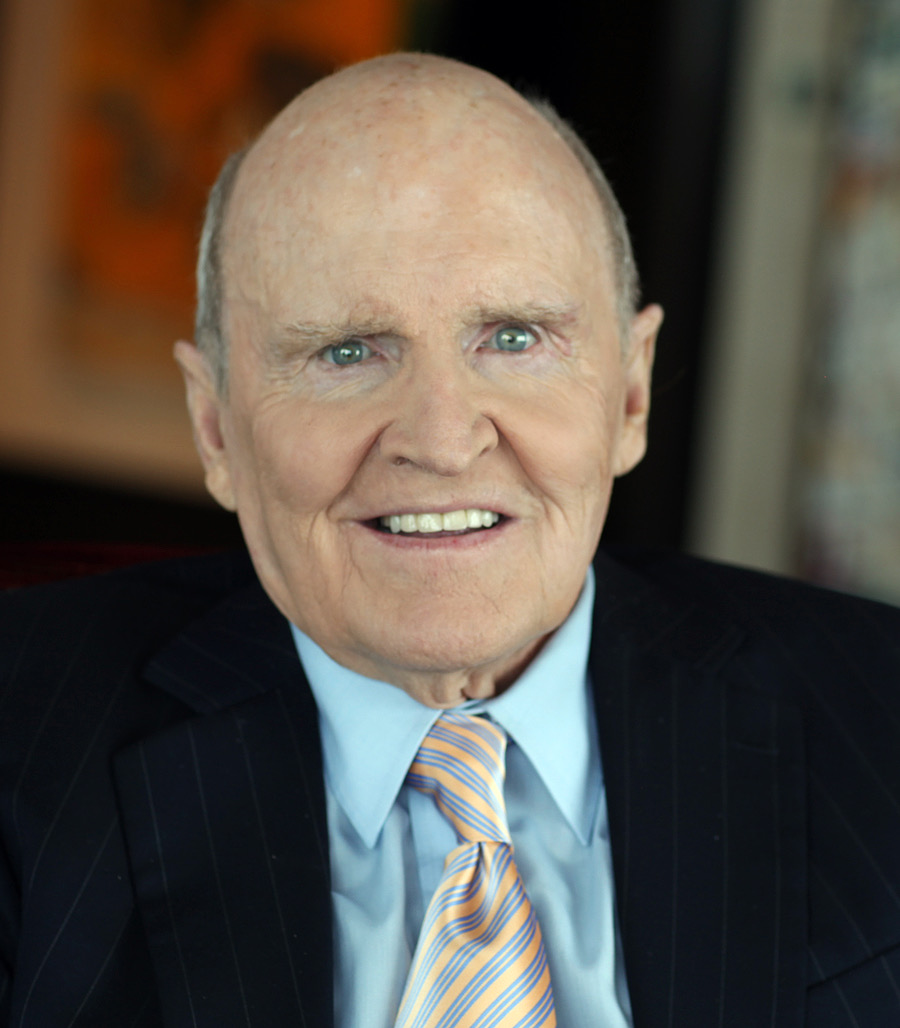
Howard Lutnick
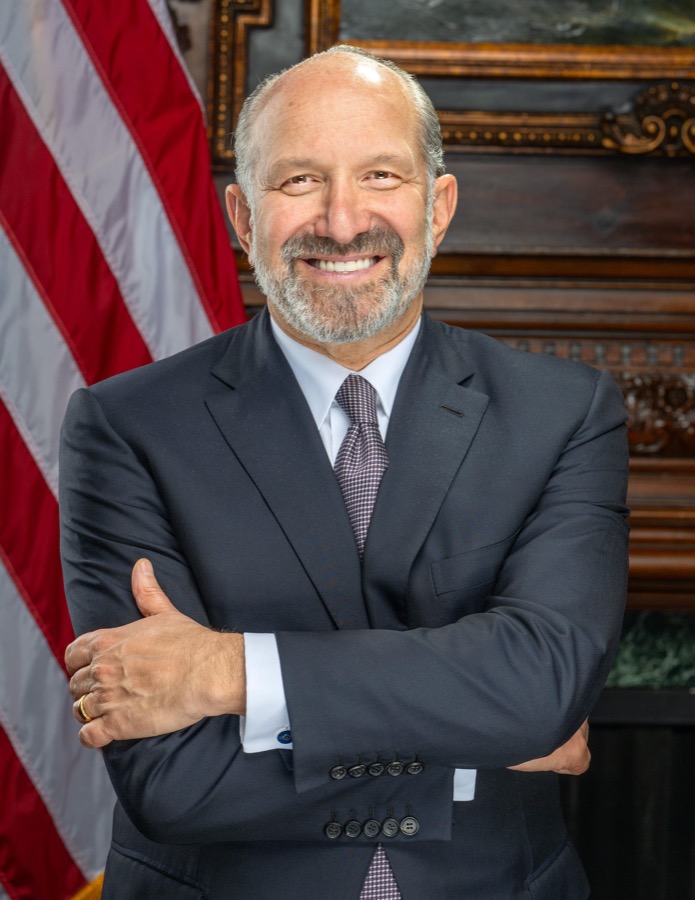
Chairman and CEO of Cantor Fitzgerald from the 1990s until 2025; built eSpeed and BGC Partners · b. 1961 · Long Island, New York
Two calls made by hand, not formulas. how we score →
Summary
Lutnick was the son of a college history professor and a painter.
Both parents died while he was a teenager, and Haverford College waived his fees. He was hired at Cantor Fitzgerald in 1983 by its founder, took management control in a 1996 settlement, and led the firm through the loss of 658 employees on September 11, 2001. Forbes puts his net worth at $7.2 billion.
Where they worked
How it happened
Born July 14, 1961, on Long Island and raised in Jericho, according to Wikipedia's account of New York magazine and Philadelphia Inquirer profiles. His father, Solomon, taught history at Queens College and his mother, Jane, was a painter and sculptor. He had an older sister and a younger brother, Gary. The family's income and savings are not established in the sources used.
His mother died in February 1978, during his junior year of high school. Wikipedia reports that his father died during his first week of classes at Haverford, where he had gone as a Division III tennis recruit. Haverford's president offered to waive his fees. Forbes also says he lost both parents as a teenager. This is reported adversity, not an account Lutnick has given in these sources.
He captained the tennis team and graduated in 1983 with an economics degree. Wikipedia, citing Bloomberg, says he then worked briefly as a yen-dollar broker at Noonan, Astley & Pierce, where he met B. Gerald Cantor. Cantor hired him as a protege at Cantor Fitzgerald that year. Within about a year and a half he was running the division that managed Cantor's personal investments, and by December 1990 he had been named Cantor's successor.
Cantor's health declined in the mid-1990s. In March 1996 Lutnick and his division sued in Delaware to enforce the succession plan, arguing that Cantor lacked the mental capacity to understand the documents he had signed, according to the New York Times account cited by Wikipedia. The two sides settled in May. Lutnick kept management control and the Cantor family kept a limited partnership stake. Cantor died in July 1996. That settlement is what put the firm in his hands. His eventual wealth rests on it, though the size of his own stake isn't established in the sources used.
Lutnick put about $250 million into eSpeed, an electronic bond-trading platform released in March 1999. On September 11, 2001, Cantor's offices in the North Tower sat just above the impact zone. Wikipedia reports that 658 of its 960 New York employees died, including his brother Gary. He was not in the office because he was taking his son to kindergarten, as Wikipedia relays from a New York Times account. Trading continued from the firm's London and New Jersey operations.
In the weeks after the attacks the firm stopped payroll for the missing employees, and relatives of some of them criticized the decision, as the Guardian and the New York Times reported at the time. Lutnick said banks would not have supported paying employees known to be dead. The firm later promised families 25 percent of its profits for five years and ten years of health coverage, and the BBC reported in 2006 that it had provided more than $180 million. By December 2002 the firm had 750 employees in New York.
In August 2004 Cantor spun its voice-brokerage business into BGC Partners. Wikipedia lists Cantor as controlling two public companies today, BGC Group and Newmark. Bloomberg's index put Lutnick at $1.5 billion in September 2018. In 2025 he became U.S. Secretary of Commerce and named his sons to lead Cantor.
Forbes lists his net worth at $7.2 billion on October 10, 2026, ranks him 554th in the world, and codes him self-made at 10 of 10. How much of the firm he owns is not shown in the pages used. The Forbes rating reflects its own method and is not an independent check of the bootstrapping.
The coded evidence
Thirteen groups, every claim sourcedMulti-generation American
Born on Long Island; earlier ancestry is not established in the sources used.
↗ en.wikipedia.orgnot established
With both parents dead by his first week at Haverford, whether any relative could have supported him is not established.
↗ en.wikipedia.orgHe held salaried and partnership roles at Cantor from 1983 onward. His pay in those years is not established in the sources used.
↗ en.wikipedia.orgFather Solomon was a history professor at Queens College (CUNY); mother Jane was a painter and sculptor who taught at the C.W. Post campus of Long Island University.
Wikipedia cites a 1994 New York Times wedding announcement and a 1995 New York Times announcement for these details.
↗ en.wikipedia.org2
An older sister, Edith, and a younger brother, Gary, who died on September 11, 2001.
↗ en.wikipedia.orgHis mother died in February 1978, when he was in his junior year of high school, and his father died in his first week at Haverford, per Wikipedia.
Wikipedia cites a 1978 New York Times obituary for the mother's death date. Forbes separately says he lost both parents as a teenager.
↗ en.wikipedia.orgBloomberg reported in October 2021 that Lutnick was diagnosed with lymphoma and called it treatable. He had already led Cantor for decades at that point.
Coded cancer. It arrived long after he was established and resourced, so it is not weighted as a headwind.
↗ bloomberg.comForbes says he lost both parents as a teenager and that 658 of his firm's 960 New York employees, including his brother Gary, were killed on September 11, 2001. These losses are reported in the sources used and are not drawn from a first-person account in them.
Coded as bereavement. The parental losses came before success and the attack came after he already led the firm.
↗ forbes.comJericho, a Nassau County suburb on Long Island.
↗ en.wikipedia.orgJericho High School, a public school.
↗ en.wikipedia.orgGrew up about 25 miles from Manhattan's financial district and spent his whole career in New York City firms.
Distance is the author's approximation.
↗ en.wikipedia.orgB. Gerald Cantor, founder of Cantor Fitzgerald, whom he met while working at another brokerage and who hired him in 1983.
Wikipedia cites a 2001 Bloomberg Q&A and a 1999 Bloomberg profile.
↗ en.wikipedia.orgWikipedia describes him as Cantor's protege and says Cantor named him successor by December 1990.
↗ en.wikipedia.orgCantor was the sponsor. The New York Times reported in 1996 that Cantor's family opposed the succession plan, and the dispute went to court.
Reached through Wikipedia's citation; the Times page itself was not fetched.
↗ nytimes.com2
Noonan, Astley & Pierce, then Cantor Fitzgerald. Later government service is not counted.
↗ en.wikipedia.orgBachelor of Arts in economics, Haverford College, 1983.
↗ en.wikipedia.orgnot established
Not established. Wikipedia says only that Haverford's president offered to waive his fees.
↗ en.wikipedia.orgHaverford's president offered to waive his fees after his father died. Wikipedia describes him as a Division III tennis recruit.
Wikipedia cites a Philadelphia Inquirer profile from 2014 (inquirer.com). Coded credentialFunding as scholarship because a fee waiver is the closest enum; the exact scope of the aid is not established.
↗ en.wikipedia.orgHaverford is described as his largest philanthropic beneficiary: $65 million donated by October 2014, including a $25 million single gift.
The page was not fetched directly; the figures are as relayed by Wikipedia.
↗ inquirer.comnot established
How he came to hold equity in Cantor, and on what terms, is not established in the sources used.
↗ en.wikipedia.orgCantor Fitzgerald is a limited partnership. The 1996 settlement left Lutnick with management control and the Cantor family with a limited partnership stake. Cantor controls BGC Group and Newmark, both public.
The settlement terms are from the 1996 New York Times article via Wikipedia. His own percentage of the partnership is not established.
↗ en.wikipedia.orgWikipedia reports that Lutnick invested $250 million in eSpeed, and that he spent at least $43 million on a European brokerage push and a futures exchange. Bloomberg is cited for these figures.
It is not clear how much was firm money and how much was his own.
↗ en.wikipedia.orgElectronic trading of Treasuries, begun at Cantor in 1998 and branded eSpeed in 1999, reported by Bloomberg as his push.
↗ en.wikipedia.orgManagement control was settled in 1996. His ownership percentage in Cantor, BGC and Newmark is not established in the sources used.
SEC proxy statements for BGC would carry beneficial-ownership figures, but www.sec.gov blocked automated access during research.
↗ en.wikipedia.orgnot established
Wikipedia notes the Cantor Exchange traded far fewer contracts than rivals. Whether he started any venture before Cantor is not established.
↗ en.wikipedia.orgWikipedia reports that in 1991, after a failed attempt by Cantor's president to oust him, he became chief executive.
Sources give both 1990 and 1991 for his move into the top role. The 1991 account is cited to Bloomberg.
↗ en.wikipedia.org34
Age at the May 1996 settlement, from a July 1961 birth date. Reached through Wikipedia's citation.
↗ nytimes.comHis firm's core business was Treasury brokerage as electronic trading arrived in the late 1990s, and Wikipedia says TradeSpark, its energy exchange, saw a surge in use after the Enron collapse.
Interpretive framing.
↗ en.wikipedia.orgNew York City
↗ en.wikipedia.orgFinancial services and interdealer brokerage
↗ forbes.com7200000000
Forbes's figure on its profile page on October 10, 2026, listed as number 554 worldwide. It is a point-in-time estimate. The ownership stakes that drive it are not shown in the page text used.
↗ forbes.comJournalistic estimate
↗ forbes.com2026
↗ forbes.comnot established
The split between realized and unrealized wealth is not established in the sources used.
↗ forbes.comChairman and CEO of Cantor Fitzgerald until 2025, when he became U.S. Secretary of Commerce and named his sons to lead the firm. Cantor had about 12,000 employees at last count in Wikipedia's article.
↗ en.wikipedia.orgUncapped
↗ forbes.comIn March 1996 Lutnick and his division sued in Delaware to enforce a succession plan, arguing that B. Gerald Cantor lacked sufficient mental capacity to understand the documents he had signed. The New York Times reported that the sides settled in May 1996. The Cantor family disputed the plan, according to that coverage.
Reached through Wikipedia's citation; the Times page was not fetched. Settlement terms are as summarized there.
↗ nytimes.comProduced the advantage
The settlement is what gave him management control. This codes the litigation's relationship to the outcome, not a finding about conduct.
↗ nytimes.comLegal gray
A contested succession suit that settled. No court ruled on its merits in the sources used.
↗ nytimes.comAfter September 11, 2001, the Guardian reported that Cantor took roughly 700 missing employees off its payroll, and the New York Times reported that some families doubted the firm's sincerity. Lutnick said banks would not have supported paying employees known to be dead. The firm later promised families a share of profits and health coverage, and the BBC reported more than $180 million in total payments by 2006.
Wikipedia relays these accounts. The Guardian page could not be fetched directly because the Wayback route was blocked, so the wording is as relayed.
↗ theguardian.comDriven, Polarizing
Author's summary of how press coverage cited by Wikipedia treats him, praised for rebuilding Cantor and criticized by some victims' families in 2001. Not a quoted trait.
↗ en.wikipedia.orgPress
↗ en.wikipedia.orgMixed
↗ en.wikipedia.orgWikipedia says he became nationally known after interviews with ABC News in the days after the attacks, even as some families of Cantor employees criticized the firm's payroll decision.
↗ en.wikipedia.orgStructural context
The cost-of-failure score comes from this person's own money and circumstances. But who they were in America carried its own weight, the same way their household or income did, and it shaped how hard the path was just as much. That part isn't in the cost-of-failure number. It's here instead.
Men held about 90% of Fortune 500 CEO seats in 2023, and a wider majority of the rungs below. The ladder is widest for them the whole way up.
↗ forbes.comAmong the people recorded here — men: 225. Representation here is who reached these outcomes, not equal odds of reaching them.
Controlled comparisons
Each holds one thing constant and varies another, so the difference is the point. A list of similar names wouldn't tell you anything.