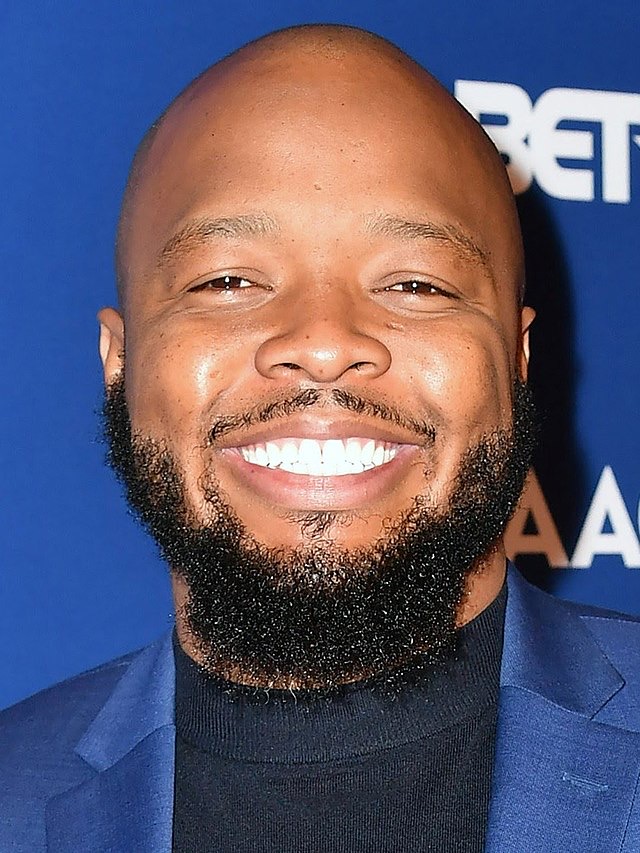
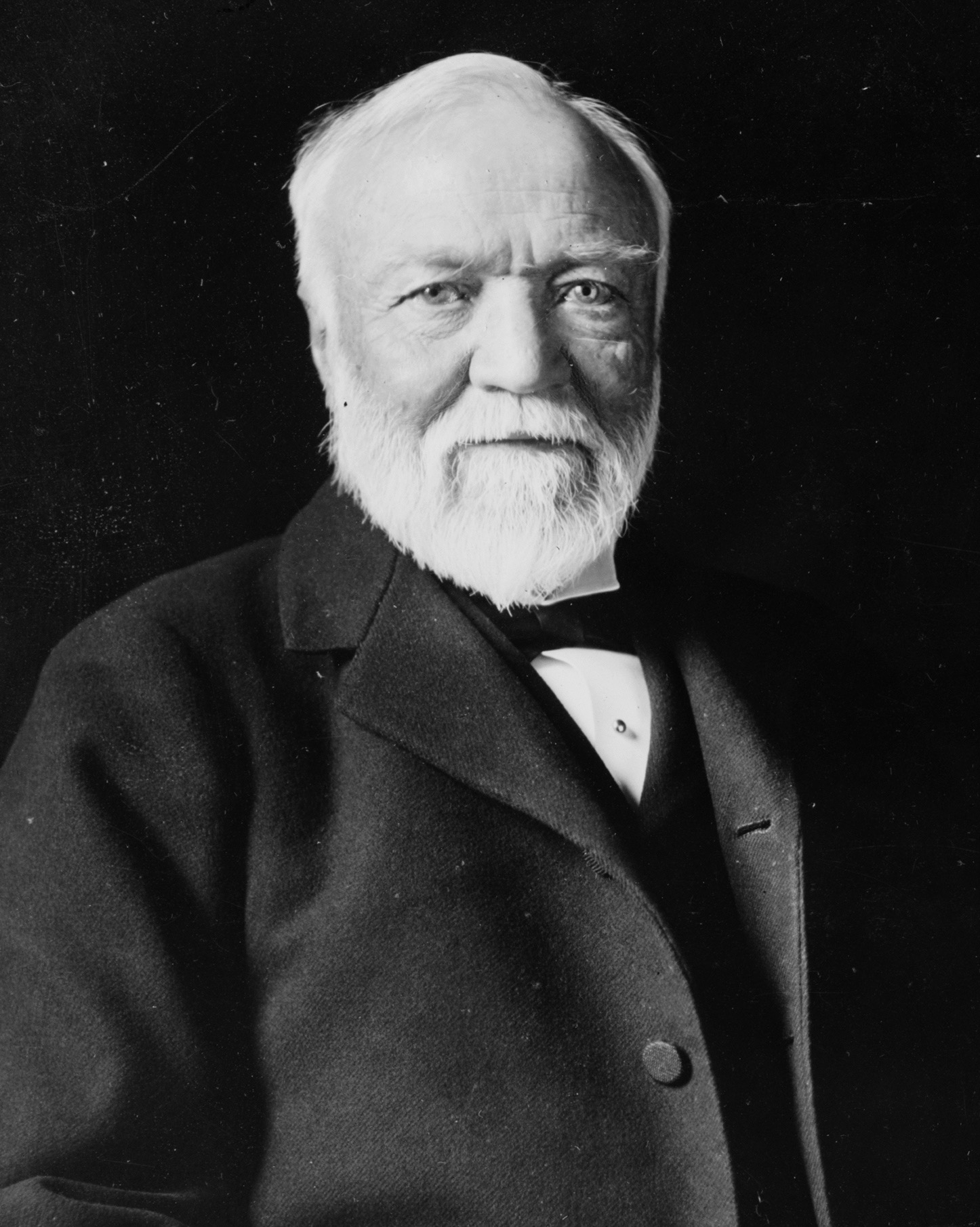
John Doerr
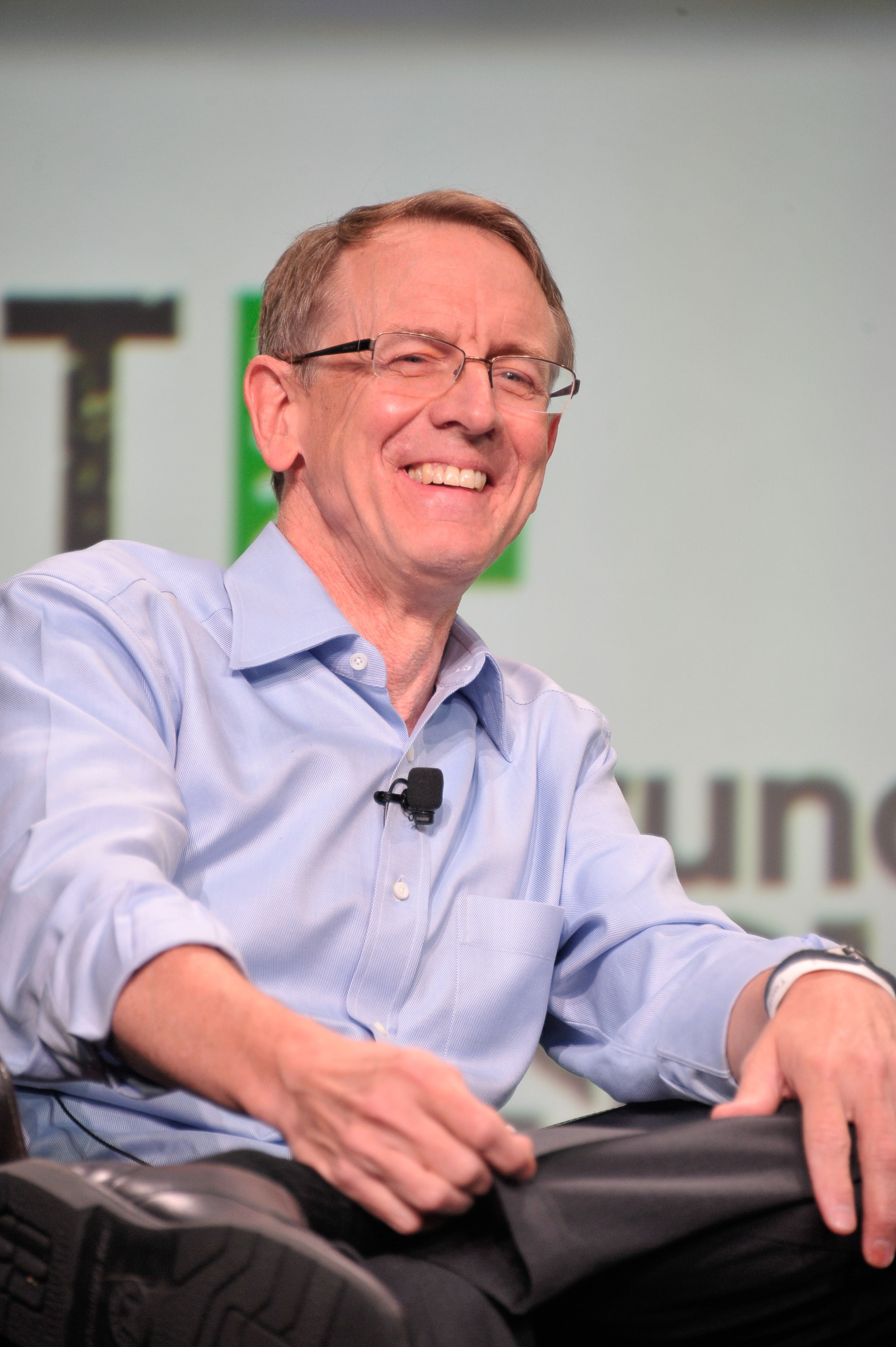
born Louis John Doerr
Venture capitalist; chairman of Kleiner Perkins · b. 1951 · St. Louis, Missouri
Two calls made by hand, not formulas. how we score →
Summary
An engineer's son from St.
Louis who went straight through Rice and a Harvard MBA, then spent six years as one of Intel's top salesmen before leaving a secure job in 1980 for what Andy Grove called "not a real job." At Kleiner Perkins he backed Sun, Compaq, Netscape, and Amazon, then in 1999 put $12.5 million into Google for roughly a tenth of the company.
How it happened
Born in 1951 in St. Louis, one of five children. His father worked as an engineer and salesman who also tried his own ventures, and Doerr has called him his hero. The family sent him to Chaminade, a private Catholic prep school in St. Louis, a comfortable, education-minded household rather than a wealthy one.
He earned a bachelor's and a master's in electrical engineering at Rice University, then a Harvard MBA in 1976. Both were direct, fully completed degrees with no documented debt or interruption.
He joined Intel in 1974 as the company was building the 8080 microprocessor, first in engineering, then in sales after a mentor told him field experience was the route to management. He became one of Intel's most productive salesmen, held patents on memory circuits, and absorbed the disciplined goal-setting system, later called OKRs, that Andy Grove ran the company on.
In 1980 Kleiner Perkins offered him a job. Grove's response, by Doerr's own account, was "John, venture capital, that's not a real job. It's like being a real estate agent." He took it anyway, reportedly on the condition that the firm would also back him if he wanted to start something of his own. He never did; he stayed at Kleiner Perkins instead and spent the next four and a half decades directing other people's capital into other people's companies.
Doerr backed Sun Microsystems and Compaq in 1982, Netscape in 1994, and a long list of others including Symantec, Intuit, Amazon, and drugstore.com. In June 1999 Kleiner Perkins and Sequoia put $25 million into a two-year-old search company; Doerr's firm took roughly a tenth of Google for about $12.5 million and a board seat. He carried the OKR framework he'd learned from Grove at Intel directly into Google's earliest planning meetings. By the 2004 IPO, that stake alone was worth more than $2 billion.
Starting around 2006 he pushed Kleiner Perkins hard into clean energy, eventually committing roughly a billion dollars to the sector. Most of the individual companies failed. He has said the portfolio nonetheless recovered to something like three times what was put in, and that the lesson of climate investing was that it takes more time, more money, and more nerve than a typical software bet.
He stepped back from running Kleiner Perkins in 2016, staying on as chairman. Forbes puts his net worth at roughly $22 billion. In 2022 he and his wife Ann gave Stanford $1.1 billion, the largest gift in the university's history, to launch the Stanford Doerr School of Sustainability. He has continued writing and campaigning on climate policy, and remains a director of Alphabet.
The coded evidence
Thirteen groups, every claim sourcedDescendant; no documented recent immigration in the family line.
↗ en.wikipedia.orgA stable, comfortable two-parent household in St. Louis; his father worked steadily as an engineer and salesman and also tried his own ventures. No housing precarity or financial instability is documented at any point in his childhood.
↗ tim.blogSix years of Intel salary and sales commissions (1974-1980), plus a Harvard MBA that made him immediately re-employable, preceded his move into venture capital. Unlike a founder, he was joining an established partnership rather than risking his own venture, so the 1980 move carried little personal financial risk.
↗ en.wikipedia.orgFather worked as an engineer and salesman and also pursued his own business ventures; Doerr has called him "my hero." Mother's occupation is not established in the sources reviewed.
↗ tim.blogA parent worked for themselves, the strongest known predictor of founding.
Described as also pursuing his own ventures alongside salaried engineering and sales work; not confirmed as his primary occupation.
↗ tim.blog4
Wikipedia describes him as "one of five siblings"; read here as five children total, four other than John. Birth order isn't established.
↗ en.wikipedia.orgSt. Louis, Missouri; comfortable enough to send five children to a private Catholic prep school.
↗ en.wikipedia.orgChaminade College Preparatory School, a private Marianist Catholic college-prep school in St. Louis.
↗ en.wikipedia.orgMoved from St. Louis to Houston for Rice, to Boston for Harvard, then to Silicon Valley in 1974 for Intel — a standard elite-education-to-tech-hub trajectory rather than a family migration.
↗ en.wikipedia.orgKleiner Perkins recruited him directly out of Intel in 1980 on the strength of his sales and technical record there; the specific individual who made the introduction isn't established in the sources reviewed.
↗ en.wikipedia.orgIntel, 1974-1980. It gave him technical credibility, a proven sales record, patents, and — through Andy Grove's management system — the OKR framework he would later carry into Google's earliest planning meetings.
↗ en.wikipedia.orgCredibility, Skill, Network
↗ en.wikipedia.org29
First paid work in venture capital, joining Kleiner Perkins in 1980; Intel (1974-1980, age 23-29) was the prior industry and the launch platform.
↗ en.wikipedia.orgA mentor at Intel, Jim Lally, advised him that field sales experience was the route to management; Doerr transferred to Intel's Chicago sales office on that advice before eventually joining Kleiner Perkins.
↗ tim.blog2
Intel, then Kleiner Perkins — the only employer of his entire post-Intel career, now spanning more than four decades.
↗ en.wikipedia.orgRice University engineering into a Harvard MBA, a standard elite pipeline for his generation.
↗ en.wikipedia.orgMBA, Harvard Business School, 1976; BS and MEE in electrical engineering, Rice University.
↗ en.wikipedia.orgDirect undergraduate-to-graduate path — Rice engineering straight into a Harvard MBA, no gap or detour.
↗ en.wikipedia.orgRice and Harvard placed him inside the same elite engineering-and-business pipeline that fed Silicon Valley and its venture firms in the 1970s and 80s.
↗ en.wikipedia.orgSix years of Intel engineering and sales income preceded his 1980 move into venture capital, but unlike a founder he wasn't funding a venture of his own — he was joining an existing partnership as a salaried general partner earning carried interest.
↗ en.wikipedia.orgKleiner Perkins itself is the vehicle: a venture partnership that raises capital from outside limited partners, deploys it into startups, and pays its general partners carried interest on the gains. Doerr has held a GP stake in that structure since 1980 and has been chairman since 2016, a compounding position that has now run for 46 years across many fund vintages, rather than a single company he founded and grew.
↗ en.wikipedia.orgRather than consuming the returns from Kleiner Perkins' biggest wins, he redirected a large share into further venture bets (the ~$1 billion cleantech push starting 2006) and into philanthropy, culminating in the $1.1 billion Stanford gift in 2022.
↗ esgtoday.comNot a founder's idea in the usual sense — his role was picking and backing other founders' companies, most consequentially Sun, Compaq, Netscape, Amazon, Intuit, and Google.
↗ en.wikipedia.orgDoerr was one general partner among several at Kleiner Perkins, not a majority owner or sole decision-maker; his influence came from investment track record and internal standing rather than a controlling stake, and he became the firm's public face and eventually its chairman on that basis.
↗ en.wikipedia.orgnot established
No personal failed venture is documented; as an investor rather than a founder, "failure" in his path shows up as failed portfolio bets (most of the cleantech companies he backed from 2006 on) rather than a venture of his own collapsing.
↗ en.wikipedia.orgOne continuous run at a single firm from 1980 to the present, with no gap, reset, or return to a salaried operating job.
↗ en.wikipedia.org47
Age at the June 1999 Google investment that became the defining bet of his career.
↗ en.wikipedia.orgJoined an already-founded firm (Kleiner Perkins dated to 1972) in 1980, at the front of Silicon Valley's build-out along Sand Hill Road and the personal-computer boom, then made the Google bet in 1999 near the peak of the dot-com era, on a company that (unlike most of its era) had durable revenue economics once it found them.
↗ en.wikipedia.orgJoined an established firm rather than starting his own venture fund from scratch — his career is built on compounding a partnership stake inside an existing institution, not founding a new one.
↗ en.wikipedia.org29
Age when he joined Kleiner Perkins in 1980, the start of the compounding partnership stake.
↗ en.wikipedia.org46
From joining Kleiner Perkins in 1980 through 2026; his operating leadership of the firm ended in 2016, but he has remained chairman and an active investor.
↗ en.wikipedia.orgnot established
The opposite pattern applies — he moved directly into the industry's hub (Silicon Valley, then Sand Hill Road) rather than building at a deliberate distance from it.
↗ en.wikipedia.orgVenture capital and technology investing
↗ kleinerperkins.com21900000000
Forbes real-time tracker, September 1, 2026, ranked #122 globally. Forbes had him at $11.9 billion in August 2023, so the figure moves substantially with Kleiner Perkins portfolio marks; band only.
↗ forbes.comJournalistic estimate
Kleiner Perkins is a private partnership; no filing discloses his personal GP stake or carry.
↗ forbes.com2026
↗ forbes.comnot established
Not established. As a private-partnership general partner, his annual carry and distributions were never subject to proxy-statement-style disclosure.
↗ forbes.comNearly all of it is wealth, not salary: appreciation and carried interest on a general-partner stake held across Kleiner Perkins' fund vintages since 1980, concentrated overwhelmingly in a handful of outsized bets, Google above all.
↗ en.wikipedia.orgPopularized the OKR goal-setting framework, largely through Measure What Matters (2018); wrote Speed & Scale (2021) on climate policy. Gave $1.1 billion with his wife Ann to Stanford in 2022 to found the Stanford Doerr School of Sustainability, the largest gift in the university's history. Signed the Giving Pledge in 2010. Elected to the National Academy of Engineering in 2026 and named an American Academy of Arts and Sciences Fellow in 2009.
↗ en.wikipedia.orgUncapped
↗ en.wikipedia.orgKleiner Perkins was sued in May 2012 by Ellen Pao, a junior partner Doerr had mentored and who reported to him, alleging gender discrimination and retaliation. After a month-long trial, a jury ruled for the firm on all counts on March 27, 2015; Pao declined to appeal. The suit named the firm, not Doerr individually, though he testified about his role as her mentor and supervisor and about disagreeing at points with other partners' assessment of her.
↗ en.wikipedia.orgAfter
The 2012-2015 litigation followed decades after his defining Kleiner Perkins investments.
↗ en.wikipedia.orgUnrelated
Firm-level personnel litigation, not conduct that produced his investment record or wealth.
↗ en.wikipedia.orgNone
The jury found for the firm on all counts; no personal or corporate liability resulted.
↗ en.wikipedia.orgEvangelist, Relentless, conviction investor, Press visible
↗ kleinerperkins.comPress
↗ en.wikipedia.orgBefore
His reputation as a leading venture capitalist was well established before the 2012-2015 Pao litigation.
↗ en.wikipedia.orgAsset
His name on a deal has functioned as a credibility signal to founders and co-investors across five decades.
↗ en.wikipedia.orgThe reputation was deliberately built, through books, press, and PR.
Two bestselling books, a TED talk, and sustained conference and media presence have deliberately built his public profile beyond the deals themselves.
↗ en.wikipedia.orgThe Pao verdict favored the firm and public commentary at the time focused more on venture capital's broader gender-diversity record than on Doerr personally; his standing in the industry appears undamaged in subsequent coverage.
↗ en.wikipedia.orgStructural context
The cost-of-failure score comes from this person's own money and circumstances. But who they were in America carried its own weight, the same way their household or income did, and it shaped how hard the path was just as much. That part isn't in the cost-of-failure number. It's here instead.
Men held about 90% of Fortune 500 CEO seats in 2023, and a wider majority of the rungs below. The ladder is widest for them the whole way up.
↗ forbes.comWhite executives hold most Fortune 500 CEO seats relative to their share of the population, an edge that adds up at every rung of the climb.
↗ finance.yahoo.comAmong the people recorded here — men: 115 · White subjects: 74. Representation here is who reached these outcomes, not equal odds of reaching them.
Controlled comparisons
Each holds one thing constant and varies another, so the difference is the point. A list of similar names wouldn't tell you anything.