Ralph Lauren
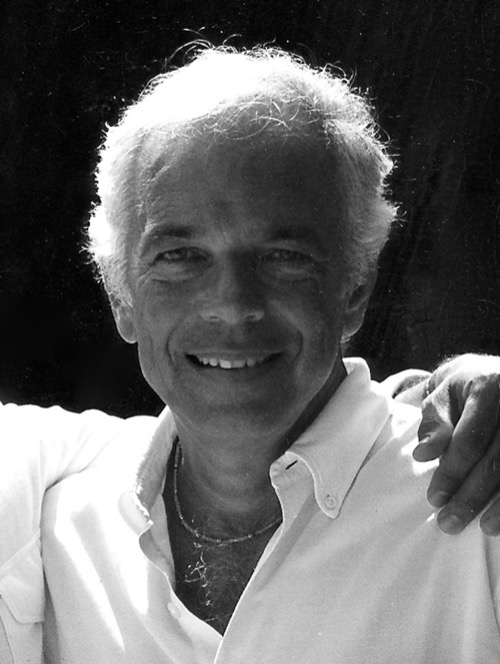
Founder, Executive Chairman and Chief Creative Officer, Ralph Lauren Corporation · b. 1939 · The Bronx, New York
Two calls made by hand, not formulas. how we score →
Summary
A house painter's son from the Bronx with no design training and no capital, he sold ties for other men's companies until he talked one into letting him start his own line.
He renamed himself along the way and spent six decades selling a version of American elegance he had studied rather than inherited. He took the company public in 1997 and kept control anyway.
How it happened
Born Ralph Lifshitz in the Bronx in 1939, the youngest of four children of Ashkenazi Jewish immigrants from Pinsk, in what is now Belarus. His father, Frank, painted houses when steadier work as an artist wasn't available; his mother is not documented as working outside the home. At sixteen, bullied at school over the name, he and a brother changed it to Lauren, following an older brother who had done the same after being bullied in the Air Force.
He studied business for two years at the Bernard M. Baruch School, then a division of the tuition-free City College of New York, and dropped out without a degree. Two years in the Army followed, then sales jobs: a stint at Brooks Brothers, then selling ties for Rivetz, then for tie manufacturer Beau Brummell. None of it was design training. All of it was learning how the clothes he admired were sold.
At 28, still a Beau Brummell employee, he talked the company's president into letting him design and sell his own line of wider ties under the label Polo. He worked out of a single drawer in a showroom in the Empire State Building and delivered the stock to stores himself. There is no record of outside investors or a separate pool of startup capital beyond that arrangement.
Bloomingdale's gave Polo its own in-store shop in 1969, its first for any designer. In 1971 he opened the first freestanding store by an American designer, on Rodeo Drive. Over the following decades the company licensed his name across fragrance, home goods, and eyewear and expanded into a full lifestyle brand built on an aspirational, old-money American image he had studied rather than grown up inside.
Ralph Lauren Corporation went public in June 1997 on a dual-class structure. Class A shares, sold to the public, carry one vote each; Class B shares, which only he and his family hold, carry ten. Nearly thirty years later he still holds all outstanding Class B stock and controls about 85% of the vote on an economic stake now under 40% with family trusts included. Forbes puts his net worth near $15 billion. In January 2025 he became the first fashion designer to receive the Presidential Medal of Freedom.
The coded evidence
Thirteen groups, every claim sourcedParents were Ashkenazi Jewish immigrants from Pinsk, in present-day Belarus.
↗ en.wikipedia.orgSecond generation. Born in New York to two immigrant parents; the household spoke of the old country but he was raised entirely in the Bronx.
↗ en.wikipedia.orgAttended day school and the Manhattan Talmudical Academy before DeWitt Clinton High School; denomination-level practice isn't established.
↗ en.wikipedia.orgnot established
Not established whether Yiddish or another language was spoken at home.
↗ en.wikipedia.orgnot established
No family property, savings, or documented fallback is established. The family is consistently described as working-class with no financial cushion, but no specific housing arrangement is on record.
↗ en.wikipedia.orgHis own wages from sales jobs at Brooks Brothers, Rivetz, and Beau Brummell through his mid-twenties, then a continued paycheck from Beau Brummell while he launched the tie line as an internal venture rather than a separate startup.
↗ en.wikipedia.orgnot established
Married Ricky Ann Loew-Beer in December 1964, three years before founding the tie line in 1967. Exact timing of his children's births relative to the founding isn't established in the sources reviewed.
↗ en.wikipedia.orgnot established
Working from a single drawer in the Empire State Building reads as modest, but he held a steady sales income throughout; no imposed hardship during the build is documented either way.
↗ en.wikipedia.orgFather Frank Lifshitz (born Efraim Lifshitz) worked as an artist and house painter, taking painting jobs when steadier art work wasn't available. Mother Frieda (née Cutler) is not documented as having worked outside the home.
↗ en.wikipedia.orgnot established
House painting could have been freelance or salaried work; not established.
↗ en.wikipedia.orgnot established
CUNY, including the Baruch School he attended, was tuition-free until 1976. No family sacrifice toward schooling costs would be expected and none is documented.
↗ en.wikipedia.orgnot established
No account of family encouragement or resistance toward a design career is established.
↗ en.wikipedia.orgUnderwent surgery in 1987 to remove a benign brain tumor; recovered fully and continued running the company.
Adult-onset, not a childhood condition; disclosed publicly at the time.
↗ en.wikipedia.orgServed in the United States Army from 1962 to 1964, between high school and his first sales jobs.
↗ en.wikipedia.orgThe Bronx, New York; specific neighborhood not established.
↗ en.wikipedia.orgDay school and the Manhattan Talmudical Academy, then DeWitt Clinton High School, a large public school in the Bronx, graduating in 1957.
↗ en.wikipedia.orgPart of a Bronx Jewish design cohort that also produced Calvin Klein, though no direct relationship or collaboration between them in this period is documented.
↗ en.wikipedia.orgBeau Brummell's company president, unnamed in the sources reviewed, who agreed to let an employee launch and sell his own tie line rather than blocking or firing him for the initiative.
↗ en.wikipedia.orgDepartment stores reached through the existing menswear trade, not a pre-existing personal audience. Bloomingdale's gave the line a shop- in-shop in 1969, its first ever for a designer.
↗ en.wikipedia.orgBeau Brummell, a necktie manufacturer where he worked as a salesman. He designed and sold his own wider-cut ties under it before spinning the line out as his own company.
↗ en.wikipedia.orgSkill, Credibility
The job supplied sales and product know-how and a foothold in the necktie trade; no evidence it supplied capital or an outside network.
↗ en.wikipedia.orgHe asked. There is no record of an introduction, a family connection, or an outside backer; he made the case to his own employer directly.
↗ en.wikipedia.org22
Approximate. He worked briefly at Brooks Brothers after his 1962-64 Army service before moving to necktie sales at Rivetz and then Beau Brummell; an exact entry age into retail work isn't pinned down.
↗ en.wikipedia.orgnot established
Roughly three to four years of sales jobs preceded the 1967 founding, but exact dates for each job aren't established.
↗ en.wikipedia.orgNo degree. Studied business for two years at the Bernard M. Baruch School, then a division of the City College of New York, before dropping out. No formal design or fashion training of any kind.
↗ en.wikipedia.orgNone documented. CUNY, including the Baruch School, charged no tuition until 1976.
↗ en.wikipedia.orgnot established
He left before completing a degree; no institutional pathway into fashion followed from the schooling itself.
↗ en.wikipedia.orgNo documented outside capital. He persuaded Beau Brummell's president to let him design and sell his own tie line as an internal venture at age 28, funded through the company rather than through savings, family money, or an investor.
Some retellings describe him later borrowing to expand into a full menswear line, but a verified lender, amount, or date isn't established in the sources reviewed.
↗ en.wikipedia.orgIt paid its own way from the start. Revenue came before any outside money.
↗ en.wikipedia.orgGrew for three decades on reinvested revenue and licensing arrangements, including a fragrance joint venture, Warner-Lauren, Ltd., launched in 1978, rather than on outside equity, before going public in 1997.
↗ en.wikipedia.orgnot established
The company licenses manufacturing broadly; no specific owned-plant claim is established for him personally.
↗ en.wikipedia.orgPersonal aesthetic. He designed wider ties and later a full menswear line around an aspirational, old-money American and English style he had studied and admired rather than grown up inside.
↗ en.wikipedia.orgThe 1997 IPO created two share classes: Class A, sold to the public, carrying one vote per share, and Class B, held only by him and his family, carrying ten. As of the company's 2026 proxy statement he holds all 21,881,276 outstanding Class B shares plus a small Class A stake (73,107 shares, 1.5% of that class), totaling about 85.5% of total voting power. His and his family's combined economic interest in the company is about 37%. He raised public capital and kept command of the board anyway.
↗ sec.gov0
No earlier failed venture is documented; the tie line was his first and only company.
↗ en.wikipedia.orgUnclear from the record. The line launched inside Beau Brummell's operation rather than as an independently capitalized startup, so personal financial exposure at the outset isn't established.
↗ en.wikipedia.orgMid-1960s menswear was loosening from narrow, uniform postwar cuts; wider, more expressive ties and a broader "Peacock Revolution" in men's fashion created an opening for a design point of view without requiring him to build a new distribution channel from nothing.
↗ en.wikipedia.orgBuilt. Designed and sold his own products from the first tie line onward, rather than acquiring an existing business.
↗ en.wikipedia.org58
From the 1967 founding to the 2026 proxy statement, during which he has remained a director continuously; still Executive Chairman and Chief Creative Officer.
↗ sec.govFashion design, apparel, and lifestyle branding
↗ en.wikipedia.org14800000000
Forbes real-time figure as of 8 August 2026. Wikipedia's infobox cites a separate Forbes snapshot of $15.2 billion as of June 2026; both are the same real-time index at different moments.
↗ forbes.comPublic equity
Computed from his SEC-disclosed Class A and Class B holdings in a publicly traded company at the current share price, not a private wealth guess.
↗ sec.gov2026
↗ forbes.comnot established
The proxy discloses combined figures for the "Non-CEO NEO" group that includes him and his son, but not a clean individual total compensation figure isolated to him for any single fiscal year.
↗ sec.govOwnership wealth in an appreciating, controlled public-equity stake, not primarily salary. He has been Executive Chairman rather than CEO since 2015.
↗ sec.govFirst fashion designer to receive the Presidential Medal of Freedom (January 2025); first American fashion designer given an honorary knighthood by then-Prince Charles (June 2019).
↗ forbes.comUncapped
↗ sec.govAs of August 2023, Canada's Ombudsperson for Responsible Enterprise was investigating allegations that Ralph Lauren Corporation sourced from a supplier, Sunrise Manufacture Group, linked to Uyghur forced labor. Outcome and any findings are not established in the sources reviewed.
↗ en.wikipedia.orgCompany has been party to intellectual-property and cultural disputes, including a trademark dispute with Levi Strauss over pocket stitching and objections from the Cowichan Tribes over a sweater design accused of copying their pattern without attribution. Case outcomes and any damages are not established in the sources reviewed.
↗ en.wikipedia.orgIn 2023 a UK employment tribunal found in favor of a former employee in a racial discrimination case, after a store manager reportedly made remarks referencing her mixed heritage as "the United Nations" and "the United Colors of Benetton." Damages or remedy amount not established in the sources reviewed.
↗ en.wikipedia.orgAfter
All documented matters arose decades after the company was already a large, established public entity.
↗ en.wikipedia.orgUnrelated
Downstream operational and supply-chain matters in a mature company, not events that produced his founding advantage.
↗ en.wikipedia.orgnot established
Specific penalties, settlements, or personal liability, if any, are not established in the sources reviewed.
↗ en.wikipedia.orgIn March 2022 chief commercial officer Howard Smith resigned from the company following a personal-conduct matter reported internally. Details of the underlying conduct are not established in the sources reviewed.
↗ en.wikipedia.orgImage conscious, controlling of his own narrative, Self made, Aspirational
↗ en.wikipedia.orgPublic
↗ en.wikipedia.orgBefore
↗ en.wikipedia.orgAsset
The self-made, aspirational-American story has been commercially central to the brand for six decades.
↗ forbes.comThe reputation was deliberately built, through books, press, and PR.
He built a brand and a persona around a WASP-coded American ideal he wasn't born into, including changing his own name at sixteen.
↗ en.wikipedia.orgStructural context
The cost-of-failure score comes from this person's own money and circumstances. But who they were in America carried its own weight, the same way their household or income did, and it shaped how hard the path was just as much. That part isn't in the cost-of-failure number. It's here instead.
Men founded the companies that took nearly all the venture funding and almost every top outcome, a tailwind that never shows up in one person's own circumstances.
↗ techcrunch.comWhite founders are heavily overrepresented among funded companies and top-tier wealth relative to their share of the population, an edge that has nothing to do with a person's own money.
↗ techcrunch.comImmigrants and their children are overrepresented among America's biggest companies, as founders and as senior leaders. They got there through the visa, credential, and network hurdles that make the path harder to even start down.
↗ forbes.comAmong the people recorded here — men: 169 · White subjects: 114. Representation here is who reached these outcomes, not equal odds of reaching them.
Controlled comparisons
Each holds one thing constant and varies another, so the difference is the point. A list of similar names wouldn't tell you anything.