Tina Turner
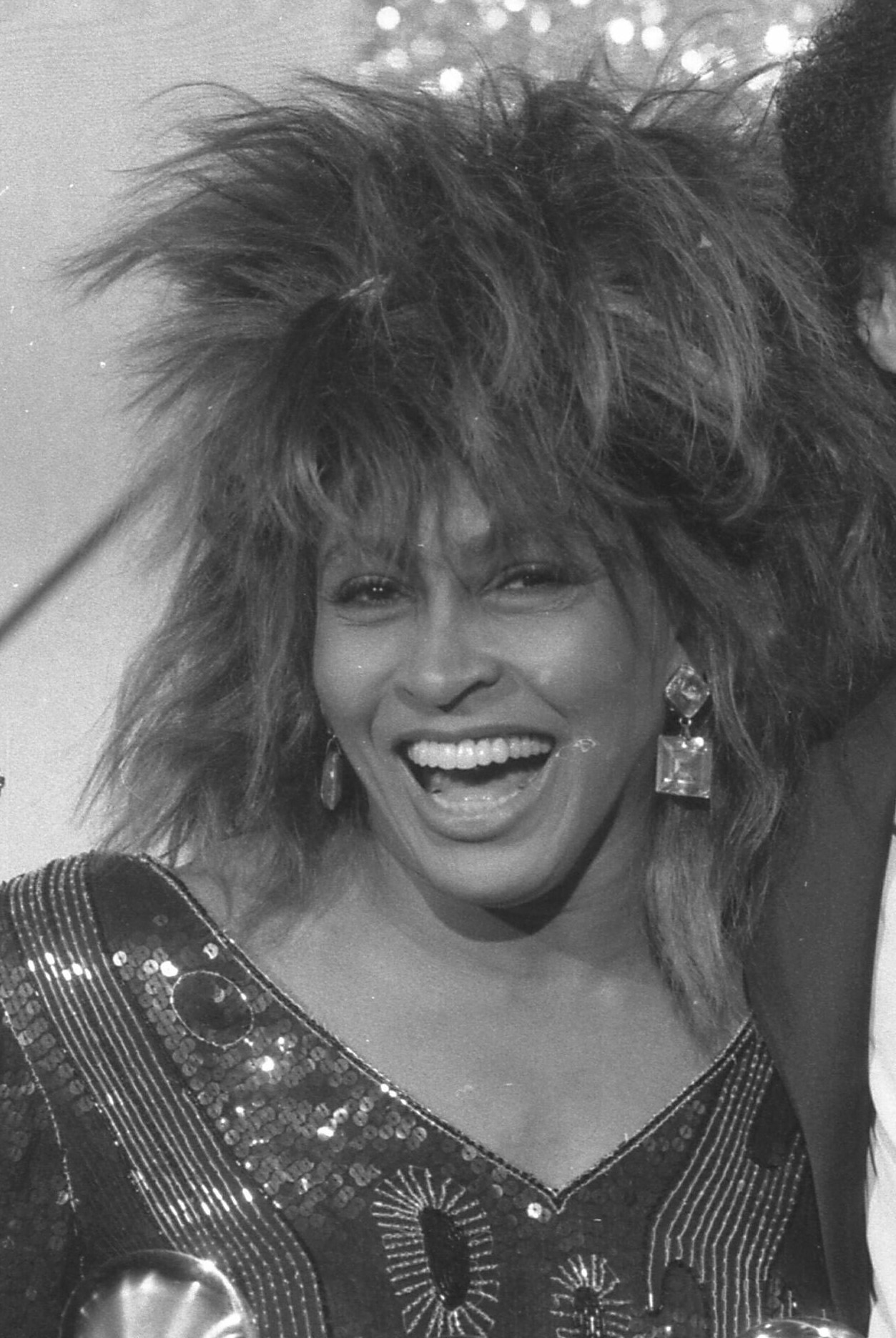
born Anna Mae Bullock
Singer and performer; "Private Dancer" and the solo comeback · b. 1939–2023 · Nutbush, Tennessee
Two calls made by hand, not formulas. how we score →
Summary
Raised largely by her grandmothers in the segregated rural South, she became famous singing in a band led by a man who beat her for years.
She walked out in 1976 with thirty-six cents and a gas card, took on debt from the tour she'd fled, and rebuilt from cabaret gigs and food stamps. At forty-four she landed the album that made her bigger than she'd ever been with Ike.
How it happened
Born Anna Mae Bullock on November 26, 1939, near Nutbush, Tennessee, to Floyd Bullock, who worked a farm as an overseer and served as a deacon, and Zelma Currie. During World War II her parents moved for work and left her with her paternal grandparents, Alex and Roxanna Bullock, who were a deacon and deaconess at their Baptist church. The family later reunited, but it didn't hold: when she was eleven her mother left to get away from the marriage, and about a year later her father remarried and left too. She and her sister went to live with their maternal grandmother in Brownsville. She has described the family as poor even by the standards of the area, growing most of what they ate and buying little beyond flour and sugar from the country store.
Her grandmother died in 1956 and she moved to St. Louis to live with her mother, finishing high school there in 1958. Her older sister Alline was a regular at Ike Turner's Kings of Rhythm shows across the river in East St. Louis, and around age seventeen Anna Mae grabbed a microphone during a break and sang along. Ike kept her in the band, renamed her "Tina Turner," and eventually trademarked the stage name himself.
She and Ike Turner married in 1962. She has said the abuse was constant and calculated: "First, he was verbally abusive. Then he picked up a wooden shoe stretcher... he used it to strike me in the head, always the head," reasoning that a guitarist never risks his hands. In 1968, by her own account, she swallowed fifty prescription sleeping pills after a night that left her feeling she had no way out; a friend got her to a hospital in time. She has written since that she came out of it believing she was meant to survive.
She left Ike for good on July 1, 1976, fleeing a Dallas hotel after a fight, with, by her own account, thirty-six cents and a Mobil gas card. In the divorce two years later she gave up nearly every claim to their joint property and took on the debt from Ike-and-Tina tour dates canceled after she left — and asked for almost nothing except the right to keep working under the name he'd trademarked.
She cleaned houses and drew food stamps while rebuilding from small cabaret dates, TV variety-show spots, and a five-week South African tour she later called politically naive. Two solo albums, "Rough" (1978) and "Love Explosion" (1979), went nowhere commercially. Australian manager Roger Davies took her on in 1979 and kept pushing rock rooms over the Vegas lounge circuit her old team wanted.
Capitol Records signed her in 1983, and "Private Dancer," released in May 1984, went multi-platinum on the strength of "What's Love Got to Do with It," her only number-one single. She was forty-four, an age the industry around her treated as past a pop artist's window. The album, and the film role in "Mad Max Beyond Thunderdome" the next year, made her a bigger star solo than she'd ever been with Ike.
She kept touring into her sixties, married German music executive Erwin Bach in 2013 and took Swiss citizenship the same year, and sold her music, name, and image rights to BMG outright in 2021 for a reported $50 million. A stroke in 2013, intestinal cancer in 2016, and a 2017 kidney transplant with Bach as the donor followed before she died at her home near Zurich on May 24, 2023, at eighty-three, with an estate estimated around $250 million.
The coded evidence
Thirteen groups, every claim sourcedDescendant; no documented immigrant parent.
↗ en.wikipedia.orgHer paternal grandparents were a deacon and deaconess at their Baptist church; she sang in a Baptist church choir as a child.
↗ encyclopedia.comnot established
English throughout, but never stated as a distinct fact in sources reviewed.
↗ en.wikipedia.orgNo documented family financial fallback at any point. Her birth family was rural and poor, and by 1976 both her parents had left the household years earlier. When she fled the marriage she had nowhere to go with money behind it.
↗ encyclopedia.comNone during the 1976-1983 rebuild. She earned small, irregular fees from cabaret and TV dates while carrying debt from the canceled Ike-and-Tina tour; no salary, savings, or family transfer cushioned the gap.
↗ encyclopedia.com4
Raised a son from an earlier relationship and, with Ike, a birth son and two stepsons, largely on her own after 1976.
↗ en.wikipedia.orgTook on personal liability for shows canceled after she left the Ike-and-Tina tour in 1976, on top of surrendering her claim to their community property in the 1978 divorce.
↗ encyclopedia.comCleaned houses and used food stamps while assembling a new solo act in the late 1970s; two albums during this period sold poorly.
↗ biography.comThe hardship was imposed, not chosen. There was nothing to fall back on.
Imposed by the divorce settlement and the debt from the canceled tour, not chosen.
↗ encyclopedia.comFather Floyd Bullock worked a farm as an overseer for a landowner and served as a church deacon. Mother Zelma Currie's occupation is not established in sources reviewed.
↗ en.wikipedia.orgNeither parent was self-employed.
Described as an overseer on a farm he did not own, not an independent farmer or business owner.
↗ en.wikipedia.org1
Older sister Alline Bullock; an older half-sister, Evelyn Juanita Currie, is also named in some accounts.
↗ en.wikipedia.orgPaternal grandparents Alex and Roxanna Bullock, a deacon and deaconess at their Baptist church, and later her maternal grandmother Georgeanna Currie, functioned as her primary caregivers for much of her childhood rather than either parent.
↗ en.wikipedia.orgSent to live with paternal grandparents during World War II while her parents relocated for work; reunited with her parents afterward; at eleven, when her mother left the marriage, she stayed with her father briefly; when he remarried and left about a year later, she and her sister were sent to their maternal grandmother in Brownsville, who raised her until the grandmother's death in 1956.
↗ en.wikipedia.orgA stroke in 2013, intestinal cancer diagnosed in 2016, and a kidney transplant in 2017 with her husband Erwin Bach as the living donor. All occurred after her career was long established and are not coded as a build-era headwind.
↗ biography.comShe has said that in 1968, during the marriage, she swallowed fifty prescription sleeping pills in an attempt to end her life, and that a friend got her to a hospital in time to save her. She has said she "came out of the darkness believing I was meant to survive." No ongoing diagnosis has been named on the record.
Self-declared suicide attempt, on the record since her 1986 memoir. A definitive headwind during the marriage years; no diagnosis is named, so no coded.mentalHealth tag is set.
↗ foxnews.comShe has described, in her 1986 autobiography "I, Tina" and in interviews since, a marriage to Ike Turner built on sustained physical abuse. She has said he targeted her head specifically, using objects rather than his fists so as not to injure his hands, and has described the relationship overall as "a mockery of a normal relationship, defined by abuse and fear, not love." She named Ike publicly and repeatedly over decades; he acknowledged hitting her before his death in 2007.
Her own on-record account, told consistently across her memoirs and interviews since 1986. Ike Turner is named because she named him publicly and repeatedly, and his conduct toward her is historically acknowledged rather than a live, disputed allegation.
↗ foxnews.comRural, segregated Haywood County, Tennessee (Nutbush/Brownsville area).
↗ en.wikipedia.orgFlagg Grove School, a segregated rural school, through eighth grade; then Carver High School in Brownsville; graduated from Sumner High School in St. Louis in 1958 after moving there.
↗ en.wikipedia.orgMoved from rural Tennessee to St. Louis, Missouri in 1956 at sixteen, after her grandmother's death, to live with her mother.
↗ en.wikipedia.orgHer older sister Alline was a regular at Ike Turner's Kings of Rhythm shows in East St. Louis and brought her along; Anna Mae sang on a microphone during a set break and Ike kept her in the band from there.
↗ en.wikipedia.orgnot established
No performing history before joining the Kings of Rhythm as a teenager.
↗ en.wikipedia.orgHer first two post-Ike solo albums, "Rough" (1978) and "Love Explosion" (1979), sold poorly and drew little label interest in her as a solo act; she kept working small rock and cabaret rooms rather than stopping.
↗ encyclopedia.comAustralian manager Roger Davies took her on in 1979 after seeing her perform at San Francisco's Fairmont Hotel and pushed her toward rock audiences and venues like New York's The Ritz rather than the Las Vegas lounge circuit her prior team had aimed for.
↗ en.wikipedia.orgHigh school diploma, Sumner High School, St. Louis, 1958. No college.
↗ en.wikipedia.orgIt paid its own way from the start. Revenue came before any outside money.
Solo career rebuilt entirely on performance fees and record royalties; no outside capital was ever raised.
↗ encyclopedia.comRecorded for major labels (Capitol from 1983) under standard artist royalty deals, but retained personal control of her name, likeness, and recording rights sufficiently that in October 2021 she was able to sell her music, name, and image rights to BMG Rights Management outright for a reported $50 million, rather than those rights belonging to a label or ex-husband.
↗ celebritynetworth.comThe 1980s reinvention was her own and her new management's choice to pursue rock audiences and album-oriented material rather than the nostalgia/lounge circuit, built on musical identity she'd developed over two decades performing.
↗ en.wikipedia.org2
Solo albums "Rough" (1978) and "Love Explosion" (1979), both commercial failures, before the 1984 breakthrough.
↗ encyclopedia.comHerself. She worked cabaret and TV dates and, by her own and biographers' accounts, cleaned houses and drew food stamps while carrying debt from the canceled 1976 tour dates.
↗ biography.comRoughly eight years between leaving Ike Turner (1976) and the "Private Dancer" breakthrough (1984).
↗ en.wikipedia.orgSigned to Capitol amid MTV's rise as a career-making platform for visual performers, and released "Private Dancer" into an early-1980s album-rock market receptive to a comeback narrative from an established live performer.
↗ en.wikipedia.orgBuilt a new solo identity and catalog from scratch rather than reviving or licensing the Ike & Tina brand.
↗ en.wikipedia.orgMusic and live performance, with film and stage crossover
↗ en.wikipedia.org250000000
Aggregator estimate at time of death, no disclosed methodology or filing. Widely repeated across outlets at the same figure but treated here as a wide, low-confidence band rather than a precise number.
↗ celebritynetworth.comAggregator
↗ celebritynetworth.comDecades of touring and record income were fee-for-work; the clearest documented ownership event is the 2021 outright sale of her music, name, and image rights to BMG for a reported $50 million, which is the one transaction in the record with a disclosed structure.
↗ celebritynetworth.comTwelve Grammy Awards, Rock and Roll Hall of Fame induction twice (with Ike in 1991, as a solo artist in 2021), Kennedy Center Honors (2005), a Guinness World Record for largest paying concert audience for a solo artist (Rio de Janeiro, 1988), and a jukebox musical, "Tina," based on her life.
↗ en.wikipedia.orgCapped
Predominantly fee-and-royalty income from touring and recording, with the 2021 rights sale as the one uncapped ownership event.
↗ en.wikipedia.orgResilient, electrifying performer, Self made
↗ en.wikipedia.orgPublic
↗ en.wikipedia.orgBefore
Her performing reputation was established during the Ike & Tina years, before the solo rebuild.
↗ en.wikipedia.orgAsset
↗ en.wikipedia.orgWent from a nearly-bankrupt, dropped act in the late 1970s to a bigger star solo than she had been with Ike, culminating in a second Rock and Roll Hall of Fame induction as a solo artist in 2021 and a jukebox musical built around her life story.
↗ en.wikipedia.orgStructural context
The cost-of-failure score comes from this person's own money and circumstances. But who they were in America carried its own weight, the same way their household or income did, and it shaped how hard the path was just as much. That part isn't in the cost-of-failure number. It's here instead.
Across film, music, and digital, ownership and control stay in far fewer women's hands than men's. For one measure, women directed only about 12% of 2023's top-grossing films.
↗ assets.uscannenberg.orgIn the creative and media industries, recognition comes far more easily to underrepresented creators than the ownership it should turn into. Among 2023's top-grossing film directors, for one measure, eight were Black.
↗ assets.uscannenberg.orgAmong the people recorded here — women: 54 · Black subjects: 58. Representation here is who reached these outcomes, not equal odds of reaching them.
Controlled comparisons
Each holds one thing constant and varies another, so the difference is the point. A list of similar names wouldn't tell you anything.