Tom Golisano
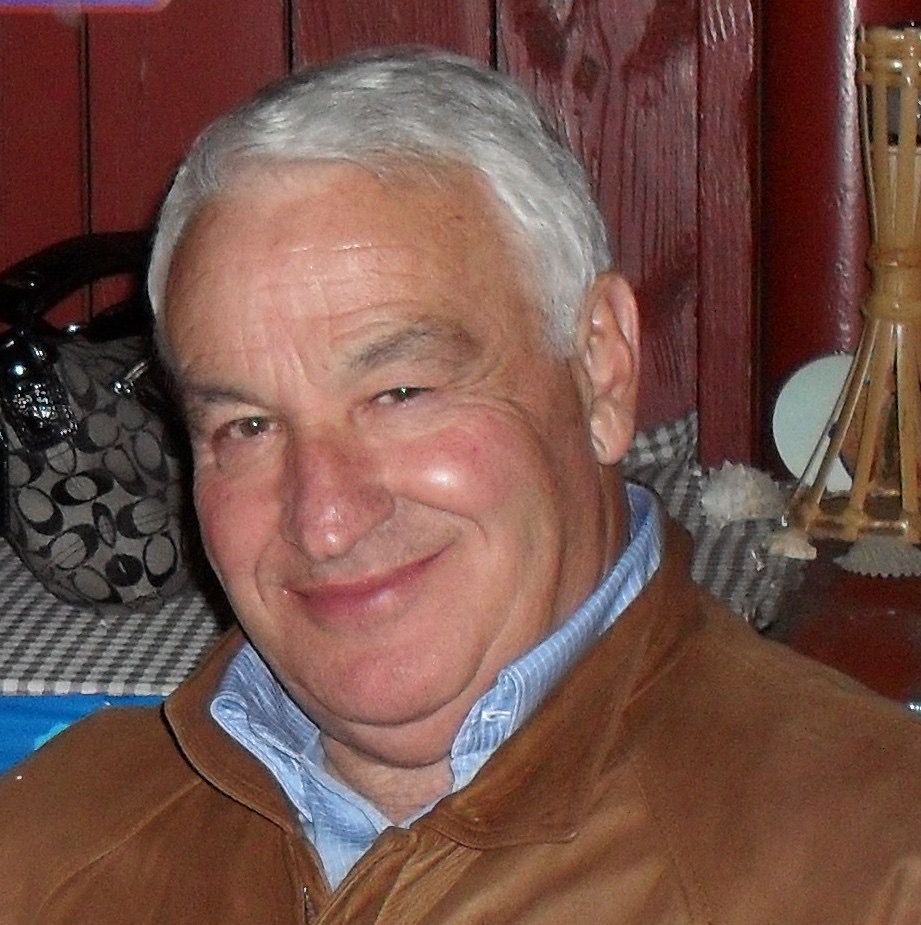
born B. Thomas Golisano
Founder of Paychex, the payroll company for small businesses · b. 1941 · West Irondequoit, Rochester, New York
Two calls made by hand, not formulas. how we score →
Summary
He took a payroll idea his employer turned down twice and built it on $3,000 and personal credit cards, working five or six years without a paycheck while his wife's nonprofit job helped carry the household.
He still held about a tenth of the company in 2021. It is a bootstrap that leaned on a second income and a niche his old employer had passed on.
Where they worked
How it happened
Golisano grew up in West Irondequoit, the youngest of three. His father was a heating contractor and salesman and his mother a seamstress at a Rochester clothing maker. He has said he watched both parents go bankrupt when he was a teenager, and decided he wanted some economic freedom of his own. He delivered papers, cleaned bowling alleys and ran a skating rink, then took a tuition-free associate's degree at SUNY Alfred.
He counted cash at a bank, sold for Burroughs, and then worked at Electronic Accounting Systems, a regional payroll processor that served large companies. There he came up with a payroll service for businesses of 100 people or fewer. His employer turned the idea down twice, so in 1971 he left to start it himself.
He started with about $3,000 in cash, then added consumer loans, money from family and a few friends, and personal credit cards. He went five or six years without paying himself. His wife worked for a nonprofit, which helped cover the household. His goal was 300 clients in Rochester; it took about four years to break even.
Paychex went public in 1983 and stayed focused on small-business payroll as it went national. He was president and CEO until 2004 and chairman until December 2021. In 2021 he still held about 10% of the shares. Forbes puts his net worth at $6.3B in October 2026.
He co-led the group that bought the Buffalo Sabres out of the NHL's care in 2003 and sold them to Terry Pegula in 2011. He ran for New York governor three times on the Independence Party line, taking 4% in 1994, 8% in 1998 and 14% in 2002, with about $93M spent across the three campaigns, per Wikipedia. His foundation, started in 1985, focuses on people with intellectual and developmental disabilities.
The coded evidence
Thirteen groups, every claim sourcedInferred from surname and the title of his 2021 memoir, The Italian Kid Did It, which the foundation page lists. Parents' place of birth not established.
↗ golisanofoundation.orgnot established
Whether his parents or grandparents immigrated is not established in the sources opened. Migration coded none provisionally.
↗ rbj.netnot established
Not established. The sources say both parents went bankrupt when he was a teenager, so a family backstop looks unlikely.
↗ rbj.netHis wife's nonprofit job helped cover the household while he went five or six years without a paycheck from the company.
↗ rbj.netHis wife worked for a nonprofit during the early years.
↗ rbj.netConsumer loans and personal credit cards funded the start, plus borrowing from family and friends.
↗ rbj.netFather Samuel was a heating contractor and salesman; mother Anna was a seamstress at Hickey-Freeman.
↗ rbj.netA parent worked for themselves, the strongest known predictor of founding.
Inferred from "heating contractor". Not stated outright.
↗ rbj.netRBJ reports that he saw both parents go bankrupt as a teenager and says he resolved to have some economic safety for himself.
The family's money trouble is documented; whether it caused moves is not stated.
↗ rbj.netWest Irondequoit High School (public).
↗ rbj.netElectronic Accounting Systems, a regional payroll processor, where he saw the gap in small-business payroll.
↗ rbj.net21
Graduated Alfred State in 1962 and worked in cash handling and sales before payroll. Exact start at EAS not established, so this is the earliest working date after graduating.
↗ golisanofoundation.orgEAS rejected the small-business payroll idea twice; he left in 1971 to start Paymaster, later Paychex.
↗ rbj.net3
Lincoln First Bank, Burroughs and Electronic Accounting Systems per RBJ; other jobs not established.
↗ rbj.netAssociate's degree (AAS), general business management, SUNY Alfred State, 1962.
↗ golisanofoundation.orgnot established
RBJ calls the degree tuition-free; who paid and any other debt are not established.
↗ rbj.netAbout $3,000 in cash, plus consumer loans, money borrowed from friends and family, and personal credit cards.
↗ rbj.netBorrowed from family and a few friends. Amounts not stated.
↗ rbj.netIt paid its own way from the start. Revenue came before any outside money.
Break-even took about four years, and he paid himself nothing for five or six.
↗ rbj.netHis wife's nonprofit income helped carry the household during the unpaid years.
↗ rbj.netPaychex went public in 1983. At the 2021 proxy he beneficially owned 37.8M shares, 10.4% of the class, including shares held by his foundation and family entities, with about 7.7M pledged as security.
↗ sec.govPayroll and HR services
↗ forbes.com6300000000
Forbes real-time figure on the retrieval date. Profile lists him as self-made, based in Naples, Florida, age 84.
↗ forbes.comJournalistic estimate
↗ forbes.com2026
↗ forbes.comMostly paper wealth in Paychex stock, with about 10% held in 2021 and part of that pledged as security.
↗ sec.govPledged or gave more than $300M to philanthropy as of January 2021, mostly to disability-focused causes and children's hospitals. Also co-owned the Buffalo Sabres, ran three times for governor, and wrote Built, Not Born (2020).
↗ en.wikipedia.orgUncapped
↗ forbes.comPersistent, Frugal
Light coding from the RBJ profile's account of unpaid early years; no direct trait quote was opened.
↗ rbj.netPress
↗ en.wikipedia.orgMixed
Wikipedia reports his political campaigns drew press attention and that he spent about $93M on three runs; effect on the business is not established.
↗ en.wikipedia.orgStructural context
The cost-of-failure score comes from this person's own money and circumstances. But who they were in America carried its own weight, the same way their household or income did, and it shaped how hard the path was just as much. That part isn't in the cost-of-failure number. It's here instead.
Men founded the companies that took nearly all the venture funding and almost every top outcome, a tailwind that never shows up in one person's own circumstances.
↗ techcrunch.comAmong the people recorded here — men: 225. Representation here is who reached these outcomes, not equal odds of reaching them.
Controlled comparisons
Each holds one thing constant and varies another, so the difference is the point. A list of similar names wouldn't tell you anything.