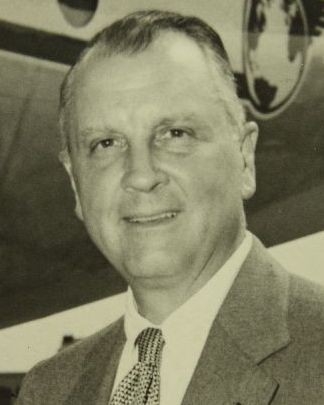
Tory Burch
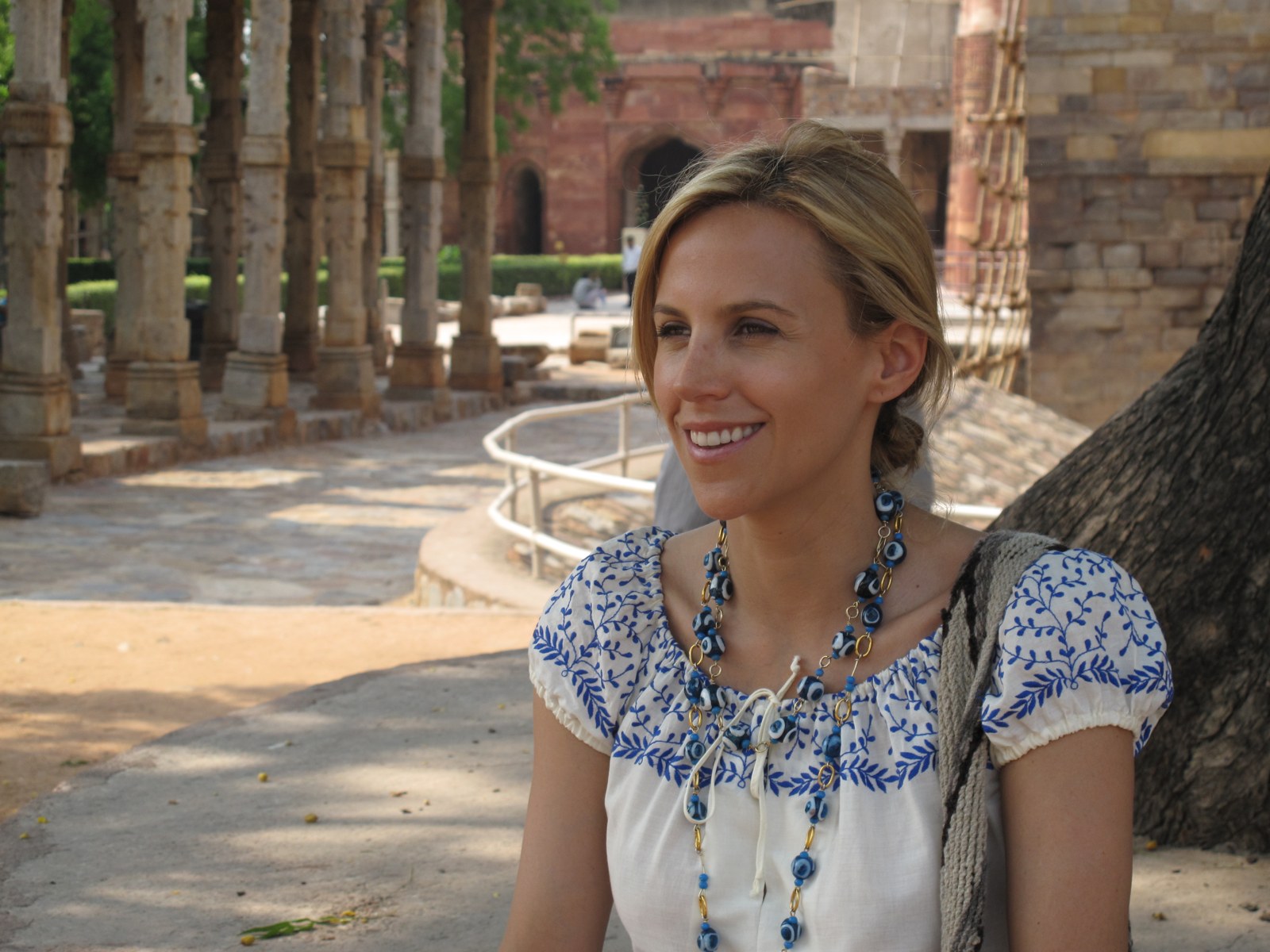
born Tory Robinson (birth name); now legally Tory Burch
Founder, executive chairman and chief creative officer, Tory Burch LLC · b. 1966 · Valley Forge, Pennsylvania
Two calls made by hand, not formulas. how we score →
Summary
She grew up on a family estate outside Philadelphia, the daughter of a wealthy investor, and earned an art-history degree from Penn before a decade in fashion PR and marketing.
In 2004 she and her then-husband Chris Burch put up $2 million and raised $10 million more to launch her label; Oprah's 2005 endorsement broke it open.
How it happened
Born Tory Robinson in 1966 and raised on a 250-year-old Georgian farmhouse property near Valley Forge National Historical Park. Her father, Ira Earl "Bud" Robinson, was a wealthy investor who had inherited a stock exchange seat and a paper cup company; her mother, Reva, moved in well-connected social and acting circles. She attended the Agnes Irwin School, a private girls' school on Philadelphia's Main Line, one of four children and the only daughter.
She earned a BA in art history from the University of Pennsylvania in 1988, then spent roughly a decade and a half in New York fashion publicity, marketing, and advertising — stints associated with the designer Zoran, Ralph Lauren, Vera Wang, Loewe, and Harper's Bazaar — before starting her own label. Those jobs supplied taste, an eye for merchandising, and a set of industry relationships rather than capital.
She launched "TRB by Tory Burch" from a single Nolita boutique in February 2004. She and her then-husband, Chris Burch, put in $2 million between them and helped raise roughly $10 million more from outside investors before the first sale. Chris Burch was not a passive spouse — he had already built and sold the sweater label Eagle Eye Apparel and held an early stake in Internet Capital Group — and he took a co-chairman role in the new company. The boutique reportedly sold out its opening-day inventory.
In 2005, Oprah Winfrey featured the brand on her show and called it "the next big thing," which drove a surge in orders that the young company scrambled to meet. It turned a well-funded but unproven startup into a national name inside a year.
Tory and Chris Burch divorced in 2006. In 2011 Chris Burch launched a competing retailer, C. Wonder, and in the fall of 2012 the pair filed dueling lawsuits: he alleged his ex-wife and her board were blocking his attempt to sell his 28.3% stake in Tory Burch LLC; she countersued, alleging he'd used insider access to build a brand with a similar look. The matter was reported on and settled out of court in January 2013. Under the settlement, Chris Burch sold most of his stake to the private equity firms General Atlantic and BDT Capital Partners and kept operating C. Wonder, which closed its stores in 2015.
The company has grown into a global accessories, apparel, and footwear business — reported at roughly $1.8 billion in 2024 sales across more than 370 of its own stores plus thousands of wholesale doors. She remains executive chairman and chief creative officer; her current husband, former LVMH executive Pierre-Yves Roussel, has been CEO since 2019. Forbes put her personal net worth at $910 million in mid-2025. The Tory Burch Foundation, launched in 2009, funds loans, mentoring, and entrepreneurial education for women business owners.
The coded evidence
Thirteen groups, every claim sourcedCoded honestly from the documented maternal detail rather than assumed; do not read this as establishing the father's heritage.
↗ en.wikipedia.orgnot established
US-born to a US-born family with no documented recent immigration; not a migration-linked case.
↗ en.wikipedia.orgA large, long-held family property — a 250-year-old Georgian farmhouse near Valley Forge National Historical Park — gave the household a substantial and stable physical fallback throughout her upbringing.
↗ en.wikipedia.orgShe drew a salary through her fashion-industry jobs before 2004; at launch, the venture itself was capitalized by $2 million from her and her then-husband plus roughly $10 million raised from outside investors, removing the need to bootstrap the business from personal savings or debt.
↗ nbcnews.comHer then-husband, Chris Burch, took a co-chairman role and helped raise the outside capital that funded the company's launch; her current husband, Pierre-Yves Roussel, has served as CEO since 2019.
↗ en.wikipedia.orgnot established
No documented startup debt; the launch was equity-funded from personal and outside capital.
↗ nbcnews.comnot established
No housing, income, or comparable instability is documented at any point.
↗ en.wikipedia.orgThe hardship was imposed, not chosen. There was nothing to fall back on.
No period of chosen austerity is documented; the launch was well-funded from the outset.
↗ en.wikipedia.orgFather Ira Earl "Bud" Robinson was a wealthy investor who had inherited a stock exchange seat and a paper cup company; mother Reva moved in well-connected acting and social circles.
↗ en.wikipedia.orgA parent worked for themselves, the strongest known predictor of founding.
Described as an investor and business owner rather than a salaried employee.
↗ en.wikipedia.orgAttended the Agnes Irwin School, a private girls' school on Philadelphia's Main Line, then the University of Pennsylvania — both consistent with a wealthy family funding her education, though no source itemizes tuition payments directly.
↗ en.wikipedia.orgValley Forge, Pennsylvania, an affluent area on Philadelphia's Main Line corridor.
↗ en.wikipedia.orgAgnes Irwin School (private, girls-only), then University of Pennsylvania (Ivy League).
↗ en.wikipedia.orgA run of jobs inside the New York fashion industry — Zoran, Ralph Lauren, Vera Wang, Loewe, Harper's Bazaar — built a network of designers, editors, and retail contacts well before she started her own label.
↗ en.wikipedia.orgHer then-husband Chris Burch, already experienced from building and selling Eagle Eye Apparel and holding an early Internet Capital Group stake, put in capital and worked his own investor network to raise additional funds for her launch.
↗ en.wikipedia.orgA single flagship boutique at 257 Elizabeth Street in Manhattan's Nolita neighborhood.
↗ nbcnews.comCapital, Network, Credibility
↗ nbcnews.comChris Burch, then her husband, co-chairman and financial backer of the launch.
↗ en.wikipedia.orgDirect working proximity to Ralph Lauren and Vera Wang, two of American fashion's most established brand-builders, before starting her own line.
↗ en.wikipedia.org5
Zoran, Harper's Bazaar, Ralph Lauren, Vera Wang, and Loewe are all named in available accounts.
↗ en.wikipedia.orgBA in art history, University of Pennsylvania, 1988.
↗ en.wikipedia.orgnot established
No student debt is documented; consistent with a wealthy family funding an Ivy League education.
↗ en.wikipedia.org$2 million pooled between her and her then-husband Chris Burch at the 2004 launch — capital that came overwhelmingly from his prior business exits rather than her own savings.
↗ nbcnews.comIt needed capital up front, before it earned anything.
The company launched already capitalized with outside investor money rather than growing purely from service or product revenue first.
↗ nbcnews.comRoughly $10 million raised from outside investors at or shortly after the 2004 launch, on top of the founders' own $2 million.
↗ nbcnews.comFounded on pooled personal capital plus an early outside raise, not pure bootstrap. In December 2012, amid the Burch v. Burch dispute, Chris Burch sold most of his 28.3% stake — then reportedly valued around $3.5 billion for the whole company — to private equity firms General Atlantic and BDT Capital Partners.
That was a sale of Chris Burch's personal stake, not a new primary capital raise into the company treasury; her own current ownership percentage is not disclosed in sources consulted.
↗ forbes.comHer own design aesthetic and merchandising sense, developed across a decade-plus of fashion-industry jobs, rather than a licensed or acquired concept.
↗ en.wikipedia.orgStartup risk was carried by the founders' pooled capital and outside investors from day one, not by Tory Burch alone drawing down personal savings.
↗ nbcnews.comLaunched into the early-2000s rise of "affordable luxury" accessories and DTC-friendly boutique retail, a category the brand helped define.
↗ en.wikipedia.orgNew York City (Nolita, Manhattan).
↗ nbcnews.comA 2005 feature on "The Oprah Winfrey Show," where Winfrey called the brand "the next big thing," drove a surge in orders within the company's first two years.
↗ en.wikipedia.orgFashion, accessories, and apparel
↗ forbes.com910000000
Forbes' America's Richest Self-Made Women estimate, June 2025. This is her personal net worth, not the company's valuation (Chris Burch's 2012 stake sale implied a company valuation near $3.5 billion, and the brand reported roughly $1.8 billion in 2024 sales) — those are company figures and are not used here as her personal wealth. Forbes' figure has moved between roughly $850M (2019) and $1.0B (2013, 2024) across years, so treat $910M as a snapshot rather than a fixed number.
↗ forbes.comJournalistic estimate
Tory Burch LLC is privately held; no public filing establishes her exact ownership stake.
↗ forbes.com2025
↗ forbes.comWealth held as an ownership stake in a private company rather than salary; no peak annual compensation figure is publicly disclosed.
↗ forbes.comCFDA Accessories Designer of the Year (2008), Glamour Woman of the Year (2019), Time 100 Most Influential People (2024), WWD Women's Designer of the Year (2024); the Tory Burch Foundation has disbursed over $100 million in affordable small-business loans to more than 5,500 women entrepreneurs as of end-2023.
↗ en.wikipedia.org1
From the February 2004 launch to the 2005 Oprah Winfrey feature that broke the brand nationally.
↗ en.wikipedia.orgUncapped
↗ forbes.comIn the fall of 2012, Chris Burch sued alleging Tory Burch and her board were blocking his effort to sell his 28.3% stake in Tory Burch LLC; she countersued, alleging he had used insider access from the marriage to build a competing retailer, C. Wonder, with a similar look and feel. Business press reported the dispute was settled out of court in January 2013, with Chris Burch selling most of his stake to General Atlantic and BDT Capital Partners and continuing to operate C. Wonder (which closed its stores in 2015). No court found either side's allegations to be true; the matter was resolved by settlement.
A business/ownership dispute over the venture itself, reported by multiple outlets; presented here as attributed, settled, and unadjudicated on the merits, not as an established fact against either party.
↗ quinnemanuel.comSelf made, Brand builder, Resilient
↗ forbes.comPress
↗ forbes.comAfter
Her public reputation as a designer-entrepreneur formed after the 2004 launch and 2005 Oprah feature, not before.
↗ en.wikipedia.orgAsset
↗ forbes.comThe brand weathered the widely-reported 2012–2013 dispute with Chris Burch and continued to grow afterward. Separately, press reports from 2017 to 2021 described several design-appropriation controversies (garments echoing Romanian, Portuguese, and other traditional designs), which were reportedly resolved through settlements; those matters are referenced here only as reported controversy, not as an established finding of wrongdoing.
↗ en.wikipedia.orgStructural context
The cost-of-failure score comes from this person's own money and circumstances. But who they were in America carried its own weight, the same way their household or income did, and it shaped how hard the path was just as much. That part isn't in the cost-of-failure number. It's here instead.
Startups founded only by women have drawn about 2% of US venture capital, a share that has barely moved in a decade. Raising money as a woman was harder than any one record shows.
↗ techcrunch.comAmong the people recorded here — women: 68 · white subjects: 12. Representation here is who reached these outcomes, not equal odds of reaching them.
Controlled comparisons
Each holds one thing constant and varies another, so the difference is the point. A list of similar names wouldn't tell you anything.