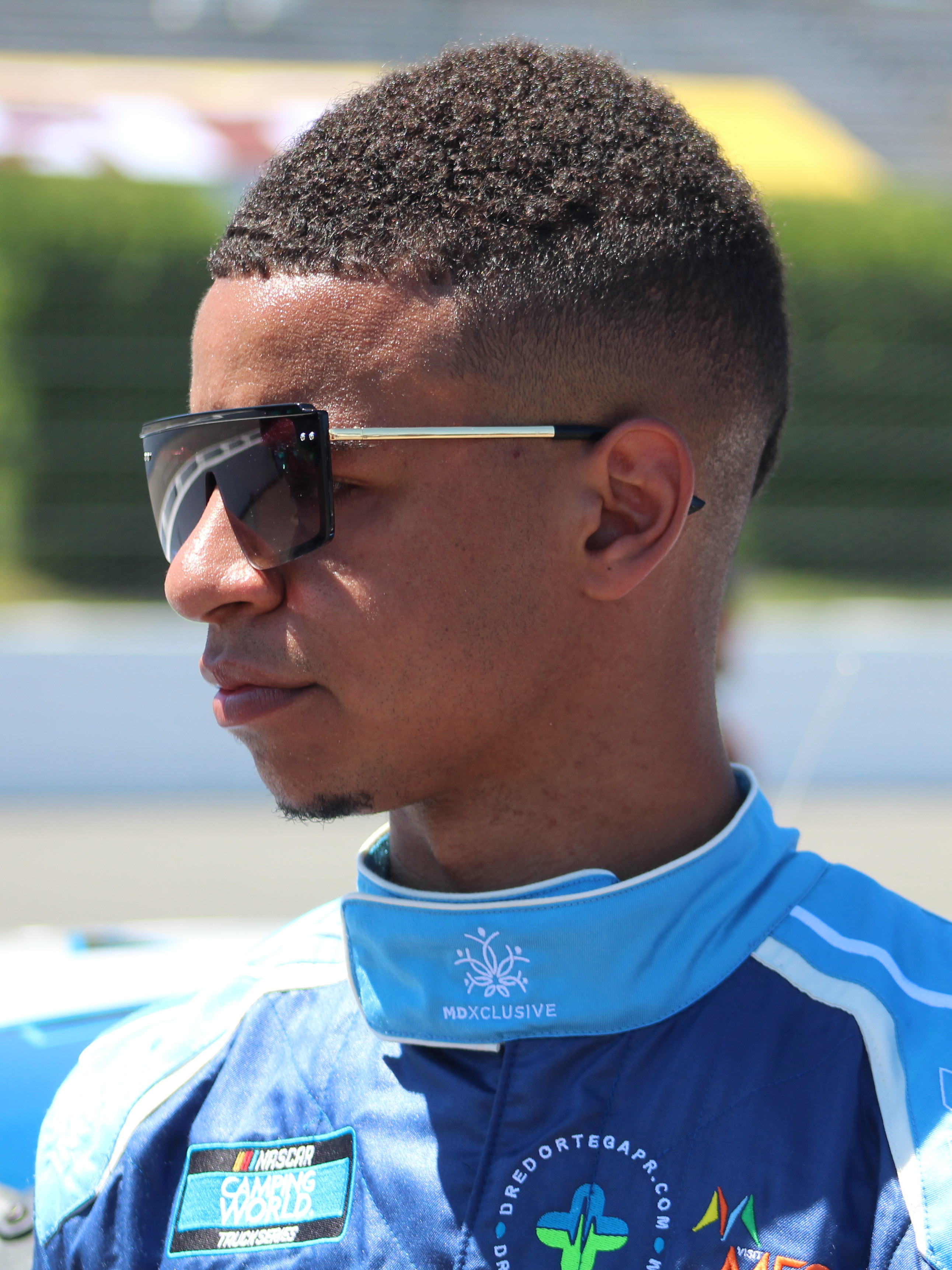
Vincent Viola
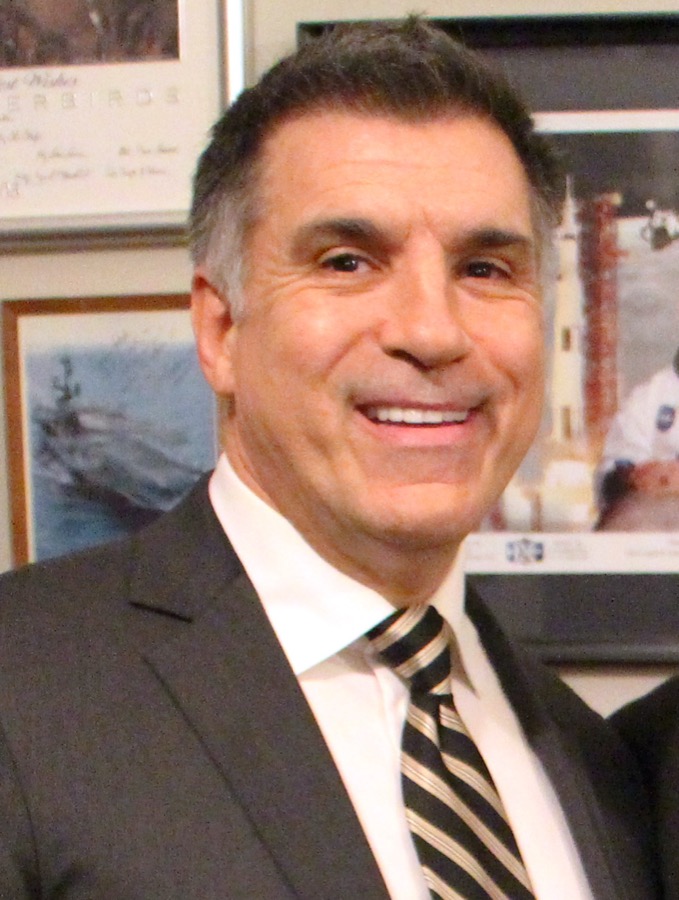
Founder of the electronic market maker Virtu Financial; former chairman of the New York Mercantile Exchange; owner of the NHL's Florida Panthers · b. 1956 · Williamsburg, Brooklyn, New York
Two calls made by hand, not formulas. how we score →
Summary
A Brooklyn truck driver's son who got to West Point on the Army's dime, then spent two decades trading on the New York Mercantile Exchange.
At 52 he founded Virtu, which went public in 2015. Forbes puts him at $7.8 billion.
Where they worked
How it happened
Viola was born in 1956 in Williamsburg, Brooklyn. Wikipedia says his father, John, was an Italian immigrant who drove a truck and had served in the US Army in Europe in World War II, and that his mother was Virginia Torre. Forbes also calls him the son of a Brooklyn truck driver. Nothing in the sources consulted points to family money or a professional network behind him.
After Brooklyn Technical High School he went to the US Military Academy and graduated in 1977. Cadets at West Point don't pay tuition and draw a stipend, so the degree cost his family little; in return he owed the Army years of service. Wikipedia says he was commissioned an infantry officer, completed Ranger School, and served with the 101st Airborne Division at Fort Campbell. The Army is also where he started a long habit of backing the academy, and Forbes credits him with founding the Combating Terrorism Center at West Point in 2003.
He earned a law degree from New York Law School in 1983, and Wikipedia says he never completed the bar exam. In 1982 he bought a seat on the New York Mercantile Exchange for $10,000. Where that money came from isn't established in the sources consulted. He later became a futures trader and rose through the exchange's leadership, serving as vice chairman in the 1990s and as chairman from March 2001 to March 2004.
In 2008, at about 52, Viola co-founded Virtu Financial with Douglas Cifu, a lawyer he had worked with, and Graham Free. Virtu makes markets electronically across many exchanges and asset classes. Wikipedia says its earlier trading business Madison Tyler, co-founded by Viola, merged in 2011 with a Silver Lake Partners backing. What he personally put into Virtu in 2008 isn't documented in the sources consulted. He came in with decades of exchange experience. Whether his own trading income funded his share isn't established. Virtu listed on Nasdaq in April 2015 under the ticker VIRT, and the sources describe a structure in which public investors hold a minority of the economics.
In September 2013 Viola bought the Florida Panthers for a reported $250 million. On December 19, 2016 President-elect Trump announced him as his pick for Secretary of the Army. On February 3, 2017 Viola withdrew, saying, as reported, that he couldn't comply with Pentagon rules on holding personal businesses while in the job. The sources consulted give no other reason.
Forbes lists his net worth at $7.8 billion as of October 12, 2026, ranking him 501st and calling him self-made. Separately, a shareholder lawsuit in Delaware names him among the defendants; see the conduct fields for what the plaintiffs allege and where the case stands.
The coded evidence
Thirteen groups, every claim sourcedCoding notes. Hardness 6 reflects a working-class Brooklyn start with no documented family fortune, cushioned by a funded academy education and Army officer pay, and then a long, well-paid trading career before Virtu. originCapital "prior-high-income" is INFERRED from that career; the actual source of his 2008 stake is not established (low confidence). Ethnicity coded from Wikipedia calling his father an Italian immigrant. The task brief said 82nd Airborne; both Wikipedia and Forbes say 101st Airborne, which is what is used here. www.sec.gov returned 403 to curl, so Virtu's proxy and S-1 were not read.
↗ en.wikipedia.orgSecond generation; father emigrated from Italy.
↗ en.wikipedia.orgFather a truck driver and US Army veteran; mother Virginia Torre.
Forbes also describes him as the son of a Brooklyn truck driver.
↗ en.wikipedia.orgnot established
Not established whether his father drove for himself or an employer.
↗ en.wikipedia.orgGraduated from West Point in 1977, was commissioned an infantry officer, completed Ranger School and served with the 101st Airborne Division at Fort Campbell.
Forbes confirms infantry officer in the 101st Airborne. Length of service is not established here.
↗ en.wikipedia.orgWilliamsburg, Brooklyn, New York
↗ en.wikipedia.orgBrooklyn Technical High School (public, selective).
↗ en.wikipedia.orgThe New York Mercantile Exchange, where he bought a seat in 1982, and the exchange's leadership posts that followed.
↗ en.wikipedia.orgDouglas Cifu and Graham Free (Virtu, 2008).
A Florida Bulldog report describes Virtu as co-founded in 2008 by Viola and Cifu, a former Paul, Weiss lawyer.
↗ en.wikipedia.org26
1982 to 2008. The Madison Tyler venture he co-founded came in between and is not dated in the sources consulted.
↗ en.wikipedia.orgChairman of the New York Mercantile Exchange (2001 to 2004); announced as nominee for Secretary of the Army in December 2016.
↗ en.wikipedia.orgBS, US Military Academy (1977); JD, New York Law School (1983).
↗ en.wikipedia.orgnot established
Not established. How he paid for law school is not stated in the sources consulted.
↗ en.wikipedia.orgWest Point, then Army infantry service, then law school and the Mercantile Exchange.
↗ en.wikipedia.orgArmy officer pay after 1977, then trading income from the Mercantile Exchange after he bought a seat for $10,000 in 1982.
The source of the $10,000 is not given.
↗ en.wikipedia.orgnot established
Nothing in the sources suggests an inheritance, but none is ruled out.
↗ en.wikipedia.orgnot established
How much of his own money went into Virtu in 2008 is not established. The Florida Bulldog article does not give founding capital, and Virtu's S-1 could not be fetched.
↗ floridabulldog.orgPublic holding company with an "Up-C" structure, listed in April 2015. A complaint described below says Viola holds super-voting Class D stock giving him 86.9 percent of the vote with no economic rights.
The voting figure is the plaintiffs' allegation as quoted in press coverage, not checked against a Virtu filing.
↗ floridabulldog.orgBought the Florida Panthers in 2013 for a reported $250 million. Forbes says he spent $108 million on a tall Arizona skyscraper and put sale proceeds into premium real estate.
Panthers price is from Wikipedia, https://en.wikipedia.org/wiki/Vincent_Viola.
↗ forbes.comnot established
Not established. Virtu's 2014 IPO was postponed, which is a delay rather than a failed venture.
↗ en.wikipedia.orgWithdrew as nominee for Secretary of the Army on February 3, 2017, saying, as reported, that he could not comply with Pentagon rules on personal businesses.
↗ en.wikipedia.orgElectronic trading was displacing floor trading as Virtu started, and Virtu's first attempt to list was delayed by scrutiny of high-frequency trading.
↗ en.wikipedia.orgElectronic market making and sports ownership
↗ forbes.com7800000000
Forbes real-time figure as of 2026-10-12, rank 501, listed as self-made, source of wealth electronic trading. Wikipedia carries an older $6.2 billion for 2025.
↗ forbes.comJournalistic estimate
Virtu is public, but the figure also covers the Panthers and real estate. SEC filings could not be fetched.
↗ forbes.com2026
↗ forbes.comForbes says he invested stock sale proceeds in real estate, so some of the wealth has been realized. The split isn't given.
↗ forbes.comFounder of the Combating Terrorism Center at West Point in 2003; Forbes reports lifetime giving of $42.1 million. Wikipedia says he endowed a Catholic theology chair at Fordham University.
↗ forbes.comUncapped
↗ forbes.comPending civil case, reported in the press. In January 2025 the Iron Workers Local No. 55 Pension Fund filed a stockholder class action in the Delaware Court of Chancery (Iron Workers Local No. 55 Pension Fund v. Viola) against Virtu Financial, Viola and about 14 current and former directors and officers. The complaint alleges that Viola used his control of Virtu to divert more than $400 million in cash away from its public Class A stockholders to himself and others, through the company's share repurchase program and its Up-C structure. Per the same report, Virtu has said in public filings that it believes any allegations of misconduct are without merit and that it is defending itself vigorously. On June 2, 2026, the court, per a Florida Bulldog report, declined to dismiss the suit, and the case is moving into discovery. These are the plaintiffs' allegations; none has been decided.
Sourced from Florida Bulldog (a regional investigative outlet) and its February 2025 article, https://www.floridabulldog.org/2025/02/pension-funds-accuses-panthers-viola-cifu-stealing-400-million-investors/ (filing date January 24, 2025). The complaint itself and the Delaware docket were not read. The ruling's basis, the judge's name and case caption were taken from the June article and should be checked against the opinion. Medium, not high, for that reason.
↗ floridabulldog.orgStructural context
The cost-of-failure score comes from this person's own money and circumstances. But who they were in America carried its own weight, the same way their household or income did, and it shaped how hard the path was just as much. That part isn't in the cost-of-failure number. It's here instead.
Men founded the companies that took nearly all the venture funding and almost every top outcome, a tailwind that never shows up in one person's own circumstances.
↗ techcrunch.comImmigrants and their children are overrepresented among America's biggest companies, as founders and as senior leaders. They got there through the visa, credential, and network hurdles that make the path harder to even start down.
↗ forbes.comAmong the people recorded here — men: 225. Representation here is who reached these outcomes, not equal odds of reaching them.
Controlled comparisons
Each holds one thing constant and varies another, so the difference is the point. A list of similar names wouldn't tell you anything.