Barry Sternlicht
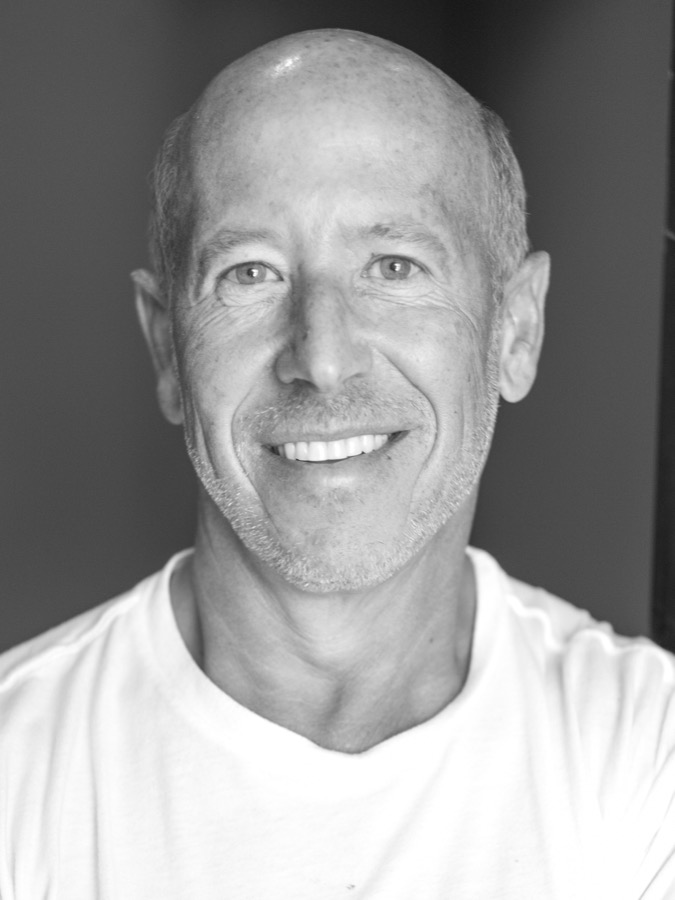
born Barry Stuart Sternlicht
Founded Starwood Capital Group in 1991 with money from two wealthy New York families, then used a hotel REIT to build Starwood Hotels & Resorts (Westin, Sheraton, W) before returning to run the private firm full time · b. 1960 · New York City → Stamford, Connecticut
Two calls made by hand, not formulas. how we score →
Summary
The son of a Polish-born plant manager and a teacher-turned-stockbroker, Sternlicht went to Brown and Harvard Business School, then was laid off from a Chicago real estate firm in 1989.
In 1991 he raised $20 million from two prominent New York families to buy apartment buildings from the government's bank-failure liquidator, and compounded that into a hotel empire.
People in this set who share a company with Barry Sternlicht.
Where they worked
How it happened
Wikipedia says Sternlicht was born in New York City in 1960 and grew up in Stamford, Connecticut. His father, Maurycy "Mark" Sternlicht, was a plant manager and a Jewish Holocaust survivor from Poland. His mother, Harriet, was a biology teacher and stockbroker. That's a comfortable professional household, not an inherited fortune.
He graduated magna cum laude from Brown in 1982 and worked as an arbitrage trader on Wall Street, according to Wikipedia. He took an MBA from Harvard Business School in 1986. Who paid for either degree isn't established in the sources used.
After business school he joined JMB Realty in Chicago. Wikipedia, citing a 2010 New York Times profile, says he was laid off in 1989 as the savings and loan crisis and the early-1990s recession began.
In 1991, at 31, he and Bob Faith launched Starwood Capital Group to buy apartment buildings that the Resolution Trust Corporation was selling off from failed banks. Wikipedia, citing the Times, says he raised $20 million from the families of William Bernard Ziff Jr. and Carter Burden. The timing matched a market where forced sellers outnumbered buyers.
In 1993 the apartment portfolio went into Sam Zell's Equity Residential for a 20 percent stake, per Wikipedia. In 1994 Starwood bought Westin with Goldman Sachs for $561 million, and in January 1995 Sternlicht took over the nearly bankrupt Hotel Investors Trust and became its CEO. Wikipedia reports a $13.3 billion deal for ITT Sheraton in 1997, and W Hotels launched in 1999 with the W New York.
He ran Starwood Hotels & Resorts Worldwide as chairman and CEO from 1995 to 2005, then stepped away to focus on Starwood Capital. Marriott bought the hotel company in 2016 for $12.2 billion, according to Wikipedia. The firm later developed the Baccarat hotel brand, with construction starting in 2012, and runs a family office, JAWS, that has sponsored several SPACs.
Wikipedia reports that in 2024 Starwood restricted investor withdrawals from one of its funds "in order to preserve its available supply of cash," at a time of higher interest rates and weakness in real estate. Starwood describes itself as managing over $130 billion in assets. Forbes put his net worth at $3 billion on the day this record was reviewed.
The coded evidence
Thirteen groups, every claim sourcedCoded from public photographs and family-origin descriptions, not a self-declaration.
↗ en.wikipedia.orgPolish-Jewish descent on his father's side
Wikipedia, citing a 1997 New York Times profile and a 2007 Condé Nast piece, describes his father as a Jewish Holocaust survivor from Poland. The mother's background is not stated in the sources used. coded.ethnicities pairs "Ashkenazi Jewish" with "European American".
↗ en.wikipedia.orgSecond generation on his father's side; his father came from Poland.
His mother is described as being from New York.
↗ en.wikipedia.orgnot established
Not established. He was laid off in 1989 and launched the firm in 1991; how he lived in between isn't shown.
↗ en.wikipedia.orgFather Maurycy "Mark" Sternlicht, a plant manager; mother Harriet, a biology teacher and stockbroker.
Wikipedia cites a 1997 New York Times article and a 2007 Condé Nast profile.
↗ en.wikipedia.orgnot established
Neither parent is described as running a business in the sources used.
↗ en.wikipedia.orgStamford, Connecticut; no ZIP-level mobility join performed.
↗ en.wikipedia.orgStarwood Capital Group, a private real estate investment firm that started by buying apartment buildings the Resolution Trust Corporation was selling.
↗ en.wikipedia.orgNetwork, Credibility
Inferred from the two New York families that backed the first fund and the Goldman Sachs partnership on Westin. The sources used don't say how he met either.
↗ en.wikipedia.orgBob Faith, 1991.
↗ en.wikipedia.org26
Computed from the 1986 MBA and a 1960 birth; he had worked on Wall Street as a trader before that, which isn't real estate.
↗ en.wikipedia.org5
From the 1986 MBA to the 1991 founding, including JMB Realty and the 1989 layoff.
↗ en.wikipedia.org2
JMB Realty is the only named employer; the Wall Street trading job is not named in the sources used.
↗ en.wikipedia.orgMBA from Harvard Business School (1986); bachelor's degree from Brown University (1982), magna cum laude.
Starwood lists a BA from Brown and an MBA with distinction from Harvard. Forbes and Wikipedia list the Brown degree as a BS.
↗ starwoodcapital.comnot established
No link between Brown or Harvard and the first investors is shown in the sources used.
↗ en.wikipedia.org$20 million raised in 1991 from the families of William Bernard Ziff Jr. and Carter Burden of New York.
Wikipedia cites a 2010 New York Times profile and a 1994 Times article for the figure and the families. The Times pages were not opened directly.
↗ en.wikipedia.orgTwo family investors supplied the $20 million that bought the first apartment buildings.
↗ en.wikipedia.orgOutside investor capital at the start, then asset swaps. The apartment portfolio went into Equity Residential for a 20 percent stake in 1993, and Westin was bought in a 1994 partnership with Goldman Sachs for $561 million.
↗ en.wikipedia.orgStarwood Capital raises and invests pooled real estate capital. The 1995 takeover of Hotel Investors Trust, a nearly bankrupt REIT, gave him a public vehicle that became Starwood Hotels & Resorts.
Coded compounding-vehicle because the firm invests pooled capital, as SCHEMA.md treats real estate fund models. The hotel company in the middle was an operating business, so the record could also be read as acquisition.
↗ en.wikipedia.orgRuns a family office, JAWS Capital, that makes venture investments and has sponsored SPACs. Forbes says he has sponsored five since 2020, one of which took Cano Health public in June 2021.
↗ forbes.comnot established
His ownership share of Starwood Capital isn't stated in the sources used.
↗ en.wikipedia.orgThe savings and loan crisis and early-1990s recession. The federal Resolution Trust Corporation was liquidating assets of failed banks, including apartment buildings.
↗ starwoodcapital.comMostly bought: distressed apartments, Westin, Hotel Investors Trust, ITT Sheraton. Built the W brand and, later, the Baccarat hotels brand.
↗ en.wikipedia.orgReal estate investing and hotels (Starwood Capital Group)
↗ starwoodcapital.com3000000000
Forbes profile figure of $3 billion as of the retrieval date. Wikipedia reports earlier Forbes figures of $4.6 billion (May 2023) and $4.4 billion.
↗ forbes.comJournalistic estimate
↗ forbes.com2026
↗ forbes.comLargely private firm and fund interests and stakes in listed vehicles. The split between realized and paper wealth isn't established in the sources used.
Magnitude 5 rests on the $3 billion Forbes figure.
↗ forbes.comAmerican Academy of Achievement Golden Plate Award (1998); named America's Best Lodging CEO by Institutional Investor (2004); Cornell Hospitality Icon of the Industry award (2015).
↗ en.wikipedia.org9
Years from the MBA (1986) to the 1995 Hotel Investors Trust takeover; the author's choice.
↗ en.wikipedia.orgUncapped
↗ forbes.comIntense, Impetuous
Wikipedia quotes a 1999 Fortune article describing his style as "intense and impetuous."
↗ en.wikipedia.orgPress
↗ en.wikipedia.orgWikipedia reports that in 2024 Starwood restricted investor withdrawals from one of its funds to preserve cash. How that played out isn't established in the sources used.
↗ en.wikipedia.orgStructural context
The cost-of-failure score comes from this person's own money and circumstances. But who they were in America carried its own weight, the same way their household or income did, and it shaped how hard the path was just as much. That part isn't in the cost-of-failure number. It's here instead.
Men held about 90% of Fortune 500 CEO seats in 2023, and a wider majority of the rungs below. The ladder is widest for them the whole way up.
↗ forbes.comImmigrants and their children are overrepresented among America's biggest companies, as founders and as senior leaders. They got there through the visa, credential, and network hurdles that make the path harder to even start down.
↗ forbes.comAmong the people recorded here — men: 225 · white subjects: 24. Representation here is who reached these outcomes, not equal odds of reaching them.
Controlled comparisons
Each holds one thing constant and varies another, so the difference is the point. A list of similar names wouldn't tell you anything.