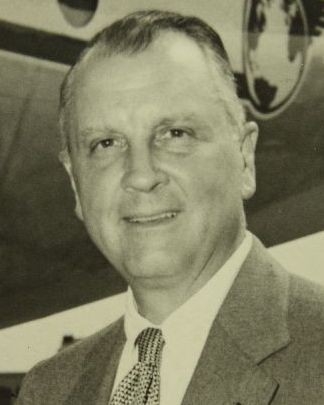
Chad Hurley
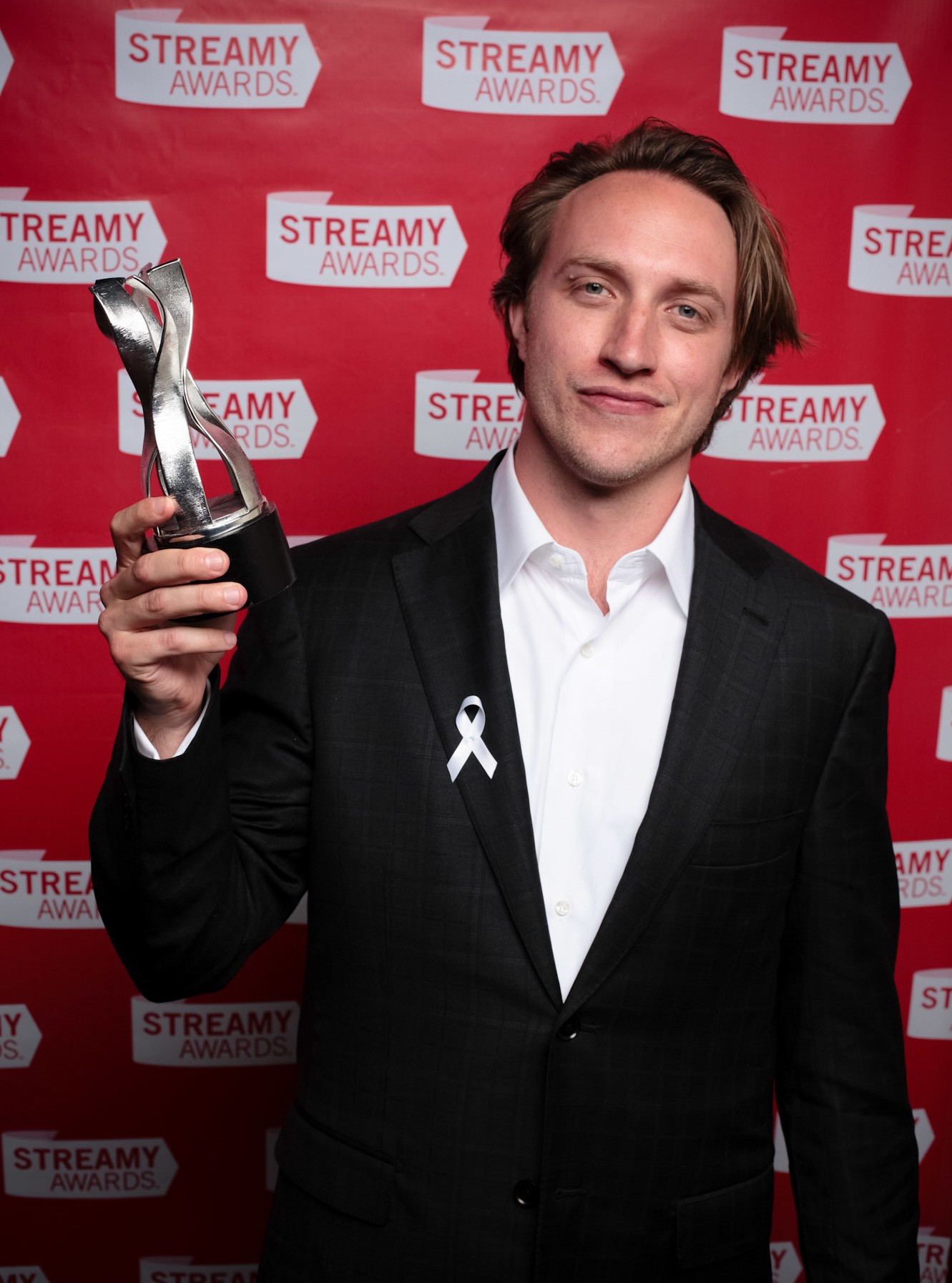
born Chad Meredith Hurley
Co-founder and former CEO of YouTube · b. 1977 · Reading, Pennsylvania
Two calls made by hand, not formulas. how we score →
Summary
Comfortably middle-class in Berks County, Pennsylvania — a financial consultant father, a teacher mother — he studied fine art at a state university, then designed PayPal's original logo as a young eBay employee.
In February 2005 he co-founded YouTube with two PayPal colleagues; Google bought the twenty-month-old company for $1.65 billion, and Hurley's own stake settled near $334 million.
How it happened
Born January 24, 1977, in Reading, Pennsylvania, and raised near Birdsboro. His father, Don Hurley, worked as a financial consultant; his mother, Joann Hurley, was a teacher. He was the middle of three children, between an older sister and a younger brother. He sold his own sketches as a kid and ran cross-country at Twin Valley High School, winning two state titles, before graduating in 1995.
He studied at Indiana University of Pennsylvania, a public state school, earning a BA in Fine Art in 1999 — a design background rather than a computer-science or business one, and a fairly ordinary credential for what came next.
He went to work in eBay's PayPal division, where one of his jobs was designing the company's original logo. The job mattered less for what it paid than for who was in the building: PayPal in the early 2000s put him alongside Steve Chen and Jawed Karim, engineers he'd later found YouTube with, and around the wider circle of PayPal alumni who went on to start or fund much of what became Silicon Valley's next wave.
He co-founded YouTube with Chen and Karim on February 14, 2005, serving as CEO while leading site design and the tagging and video-sharing features. Karim uploaded the first video, of himself at the San Diego Zoo, that April; by December the site was public with about 8 million daily views, and by mid-2006 it was taking in 65,000 new videos and 100 million views a day. Sequoia Capital and Artis Capital Management supplied venture funding between November 2005 and April 2006 — the company had launched without it. Twenty months after founding, an eighteen-employee, essentially unmonetized site had become the obvious leader in online video.
Google announced its purchase of YouTube on October 9, 2006, for about $1.65 billion in stock, closing November 13. Hurley held roughly 20% of the company; his own take, calculated at the closing price, was $334 million. Chen received about $301 million and Karim about $66 million. Sequoia's investment — reported at around $9 million — returned roughly $516 million, close to a third of the whole deal.
He stayed on as CEO through the integration, a period that included Viacom's 2007 copyright-infringement suit against YouTube seeking over $1 billion in damages — a claim against the company, not against Hurley personally, that the Second Circuit ultimately decided in YouTube's favor in 2012. He resigned the CEO title in October 2010, handing it to Salar Kamangar, and stayed on afterward as an advisor.
He and Chen founded AVOS Systems in 2011, which bought Yahoo's Delicious bookmarking service that April and the analytics startup Tap11 that May, then narrowed to a single product, MixBit, a short-video app that launched in August 2013 and shut down in 2018. A separate bet, an investment in the US F1 Formula One team, collapsed within months in 2010.
He became a minority owner of the NBA's Golden State Warriors and MLS's Los Angeles FC, and announced an investment in England's Leeds United in January 2021. He married Kathy Clark, daughter of Netscape founder Jim Clark, divorcing in 2012, and remarried in 2020. Net-worth aggregators put his current fortune anywhere from roughly $400 million to $850 million, with no disclosed methodology behind any of the figures; the one number with a documented basis is the $334 million he took from the Google sale itself.
The coded evidence
Thirteen groups, every claim sourcedMulti-generational American; no recent immigration documented in the family line.
Inferred from absence of evidence, not directly documented.
↗ en.wikipedia.org0
No documented gap out of the workforce from his 1999 IUP graduation through PayPal and YouTube.
↗ en.wikipedia.orgA stable, middle-class two-parent household near Birdsboro, Pennsylvania, on a financial consultant's and a teacher's combined income. No housing instability is documented at any point.
Parents' occupations are reported consistently across secondary biographical sites but not in a primary source; coded low confidence accordingly.
↗ thefamouspeople.comA salaried job at eBay's PayPal division gave him income and design experience for several years before YouTube; the company itself launched without outside funding and ran on the founders' own resources for its first several months before Sequoia Capital and Artis Capital Management invested between November 2005 and April 2006.
↗ en.wikipedia.orgnot established
No children are documented during the PayPal or YouTube-founding years; his first marriage, to Kathy Clark, is not clearly dated relative to the founding.
↗ en.wikipedia.orgnot established
No homelessness, food insecurity, or comparable instability is documented at any point.
↗ en.wikipedia.orgFather Don Hurley worked as a financial consultant; mother Joann Hurley was a teacher.
Reported across secondary biography sites; not confirmed in a primary source.
↗ thefamouspeople.comnot established
Whether the father's "financial consultant" role was self-employment or salaried is not specified in sources reviewed.
↗ thefamouspeople.comnot established
No documented account of a specific family sacrifice aimed at tuition; a state-university degree is consistent with an ordinary middle-class budget rather than strain or subsidy.
↗ en.wikipedia.orgnot established
No documented account of active family facilitation of an unconventional path; his household reads as stable rather than actively sponsoring.
↗ en.wikipedia.orgnot established
No chronic illness, disability, trauma, or mental-health condition is publicly documented for Hurley.
↗ en.wikipedia.orgBirdsboro, Pennsylvania, a small middle-class town in Berks County outside Reading.
↗ en.wikipedia.orgTwin Valley High School, a public high school in rural Berks County, then Indiana University of Pennsylvania, a public state university, for a BA in Fine Art.
↗ en.wikipedia.orgBerks County, Pennsylvania in the 1990s had no consumer-internet or technology cluster; the industry access he needed came later, through an eBay/PayPal job that moved him to the Bay Area.
↗ en.wikipedia.orgMoved to the San Francisco Bay Area for the PayPal/eBay job after his 1999 graduation, staying through YouTube's founding and sale — a standard hub-directed career move rather than a family migration.
↗ en.wikipedia.orgHis job in eBay's PayPal division put him alongside Steve Chen and Jawed Karim, the engineers he later founded YouTube with — a connection formed through employment rather than family or school ties, inside a company whose alumni went on to found or fund much of the next wave of Silicon Valley startups.
↗ en.wikipedia.orgCold, direct-to-consumer growth through word of mouth and embedded sharing links rather than a pre-existing customer relationship or institutional launch partner.
↗ en.wikipedia.orgeBay's PayPal division
↗ en.wikipedia.orgCredibility, Network, Skill
PayPal supplied a design credential (the logo work), a co-founder network (Chen and Karim), and design skill; no documented capital transfer from the PayPal years funded YouTube directly.
↗ en.wikipedia.orgSteve Chen and Jawed Karim, both former PayPal colleagues. Chen led backend engineering, Karim contributed the founding concept and uploaded the first video before leaving early for graduate school, and Hurley led design, branding, and the tagging and sharing features.
↗ en.wikipedia.org22
Approximate; his first documented industry job followed his 1999 IUP graduation.
↗ en.wikipedia.orgYouTube's embeddable video player let any website display a hosted video, and every embed exposed new viewers to the platform with no marketing spend — credited as central to the site's rapid 2005-2006 growth.
↗ en.wikipedia.orgBA in Fine Art, Indiana University of Pennsylvania, 1999.
↗ en.wikipedia.orgDirect path from a rural Pennsylvania public high school to a public state university's fine-art program, with no elite pre-professional or Ivy League intermediary.
↗ en.wikipedia.orgThe fine-art degree itself supplied no documented industry network; the connections that mattered — Chen, Karim, and the wider PayPal alumni circle — came later, through employment rather than the university.
↗ en.wikipedia.orgYouTube launched in February 2005 without outside funding; Sequoia Capital and Artis Capital Management provided venture capital between November 2005 and April 2006, roughly $9 million combined by contemporaneous reporting.
↗ en.wikipedia.orgIt needed capital up front, before it earned anything.
YouTube ran on venture funding through the 2006 Google sale with no significant monetization in place.
↗ en.wikipedia.orgHis PayPal salary gave him personal savings before founding, though the amount is not documented; the company itself was capitalized mostly by venture investors within about nine months of founding.
↗ en.wikipedia.orgSequoia Capital and Artis Capital Management invested between November 2005 and April 2006. Sequoia's stake, reported at roughly $9 million, returned about $516 million at the Google sale — close to a third of the entire $1.65 billion deal.
↗ techcrunch.comYouTube raised venture capital and sold outright to Google after about twenty months rather than growing as an independent company; Hurley held roughly 20% of the company going into the sale.
↗ techcrunch.comGoogle paid entirely in stock; Hurley's proceeds were calculated at the November 2006 closing price rather than realized as an immediate cash payout. He went on to fund AVOS Systems and MixBit and to invest in sports franchises rather than making one large reinvestment.
↗ techcrunch.comAccounts differ. Karim has said the idea came from trouble finding video clips online, including 2004 tsunami footage. Hurley and Chen have described an early concept closer to video dating, including Craigslist ads offering to pay people for video submissions.
↗ en.wikipedia.orgSequoia Capital and Artis Capital Management absorbed the outside financial risk once they invested in late 2005; the founders' own early costs before that funding are not documented in detail.
↗ en.wikipedia.orgLaunched as broadband penetration and falling video-hosting costs had just made consumer video-sharing viable, ahead of Google's own, then-struggling Google Video — a brief competitive window that closed once YouTube itself became the category's incumbent.
↗ en.wikipedia.orgSan Francisco Bay Area, California, where YouTube was founded and initially run.
↗ en.wikipedia.orgBuilt — a new company and product built from scratch by the three founders, not an acquisition of an existing site.
↗ en.wikipedia.orgTechnology — online video and media (YouTube); web and mobile apps (AVOS Systems, MixBit); minority ownership stakes in professional sports franchises
↗ en.wikipedia.org334000000
Documented proceeds from the November 2006 Google sale — roughly 20% of YouTube, calculated at the November 13, 2006 closing price — used here as the sourced basis rather than the $1.65 billion company sale price, which was split among three founders, Sequoia, Artis, and employees. Current net-worth aggregators (celebritynetworth-style sites) report figures from roughly $400 million to $850 million with no disclosed methodology; no Forbes real-time tracker exists for Hurley as of this writing (forbes.com/profile/chad-hurley/ returns 404). Either the sale-proceeds figure or the aggregator range lands in the same $100M-$1B magnitude band.
↗ techcrunch.comJournalistic estimate
↗ techcrunch.com2006
The $334M figure is priced to the November 13, 2006 Google closing price, though first reported in a March 2010 article; no more current, methodologically disclosed figure exists.
↗ techcrunch.comPaid in Google stock rather than cash. Whether he held the shares long-term or diversified soon after isn't clearly documented, unlike some founders whose wealth stayed concentrated in the acquirer's stock for years afterward.
↗ techcrunch.comWealth is almost entirely the value of his YouTube equity realized at sale, not accumulated salary; no public compensation figures exist for his time as YouTube CEO, since it operated first as a private company and then as a Google subsidiary.
↗ en.wikipedia.orgYouTube grew into one of the internet's most consequential consumer platforms, reaching well over a billion users within a decade of the sale. Hurley is credited as a co-creator, and later became a minority owner of the NBA's Golden State Warriors and MLS's Los Angeles FC, and an investor in England's Leeds United.
↗ en.wikipedia.org2
From YouTube's February 2005 founding to the October 2006 Google deal announcement — about twenty months — with the wealth-defining outcome produced by a company that had grown to only about eighteen employees.
↗ en.wikipedia.orgUncapped
↗ en.wikipedia.orgViacom International sued YouTube for copyright infringement in 2007, seeking over $1 billion in damages — a claim against the company, not against Hurley personally. The Second Circuit Court of Appeals ruled in YouTube's favor in 2012, after Hurley had already stepped down as CEO.
↗ en.wikipedia.orgAfter
↗ en.wikipedia.orgUnrelated
The Viacom suit followed the founding and sale that produced Hurley's wealth; it did not produce the advantage itself, and it was resolved in YouTube's favor.
↗ en.wikipedia.orgLegal gray
The dispute tested genuinely unsettled DMCA safe-harbor questions at the time rather than an established rule YouTube knowingly broke; courts ultimately sided with YouTube.
↗ en.wikipedia.orgdesign-focused product builder, understated, lower-profile co-founder relative to more visible Silicon Valley peers, diversified into sports-team ownership after YouTube
↗ en.wikipedia.orgPress
↗ en.wikipedia.orgAfter
His public reputation as a co-founder formed through YouTube's rapid 2005-2006 rise and the Google sale itself, not before it.
↗ en.wikipedia.orgAsset
His co-founder standing opened doors to later ventures (AVOS, MixBit) and sports-ownership opportunities.
↗ en.wikipedia.orgThe reputation accrued from behaviour rather than being manufactured.
No evidence of a deliberate media-cultivation campaign (memoir, podcast circuit); public profile has stayed comparatively low relative to peers from the same era.
↗ en.wikipedia.orgnot established
No major film, book, or dramatization centered on Hurley specifically is documented.
↗ en.wikipedia.orgStructural context
The cost-of-failure score comes from this person's own money and circumstances. But who they were in America carried its own weight, the same way their household or income did, and it shaped how hard the path was just as much. That part isn't in the cost-of-failure number. It's here instead.
Men founded the companies that took nearly all the venture funding and almost every top outcome, a tailwind that never shows up in one person's own circumstances.
↗ techcrunch.comWhite founders are heavily overrepresented among funded companies and top-tier wealth relative to their share of the population, an edge that has nothing to do with a person's own money.
↗ techcrunch.comAmong the people recorded here — men: 169 · White subjects: 114. Representation here is who reached these outcomes, not equal odds of reaching them.
Controlled comparisons
Each holds one thing constant and varies another, so the difference is the point. A list of similar names wouldn't tell you anything.