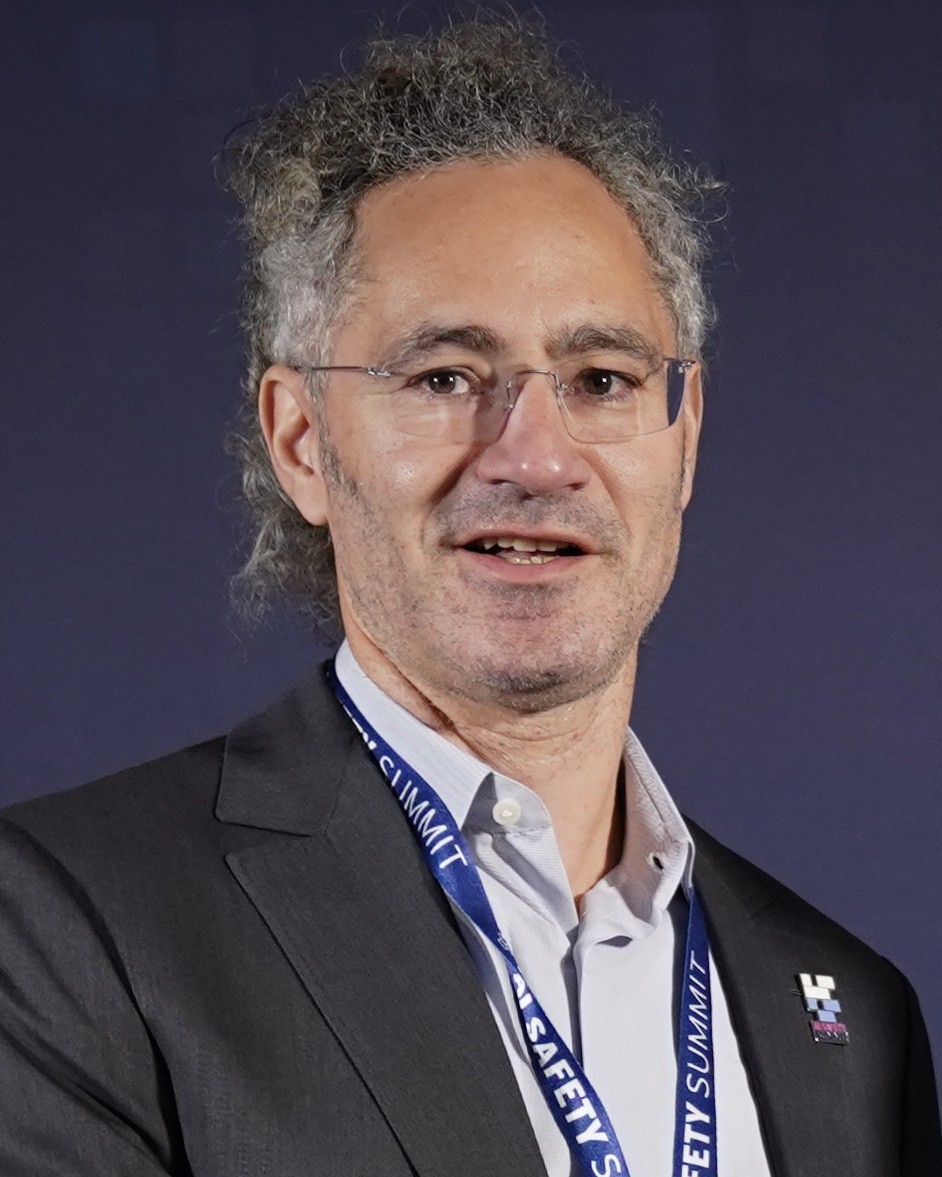
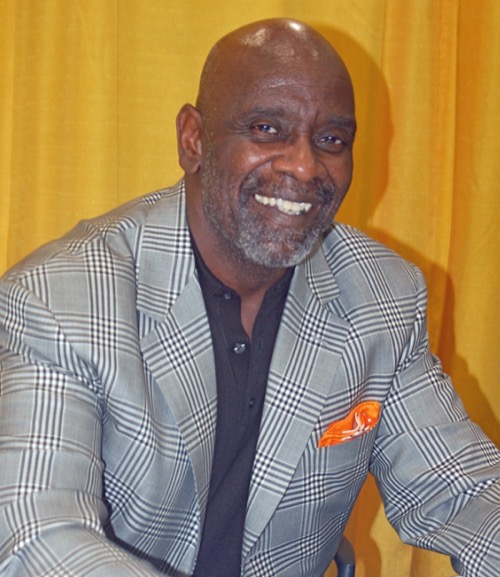
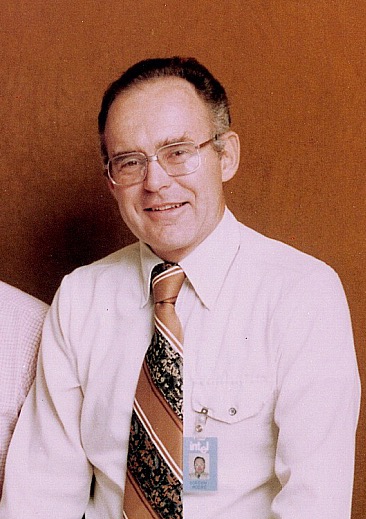
Chris Wright
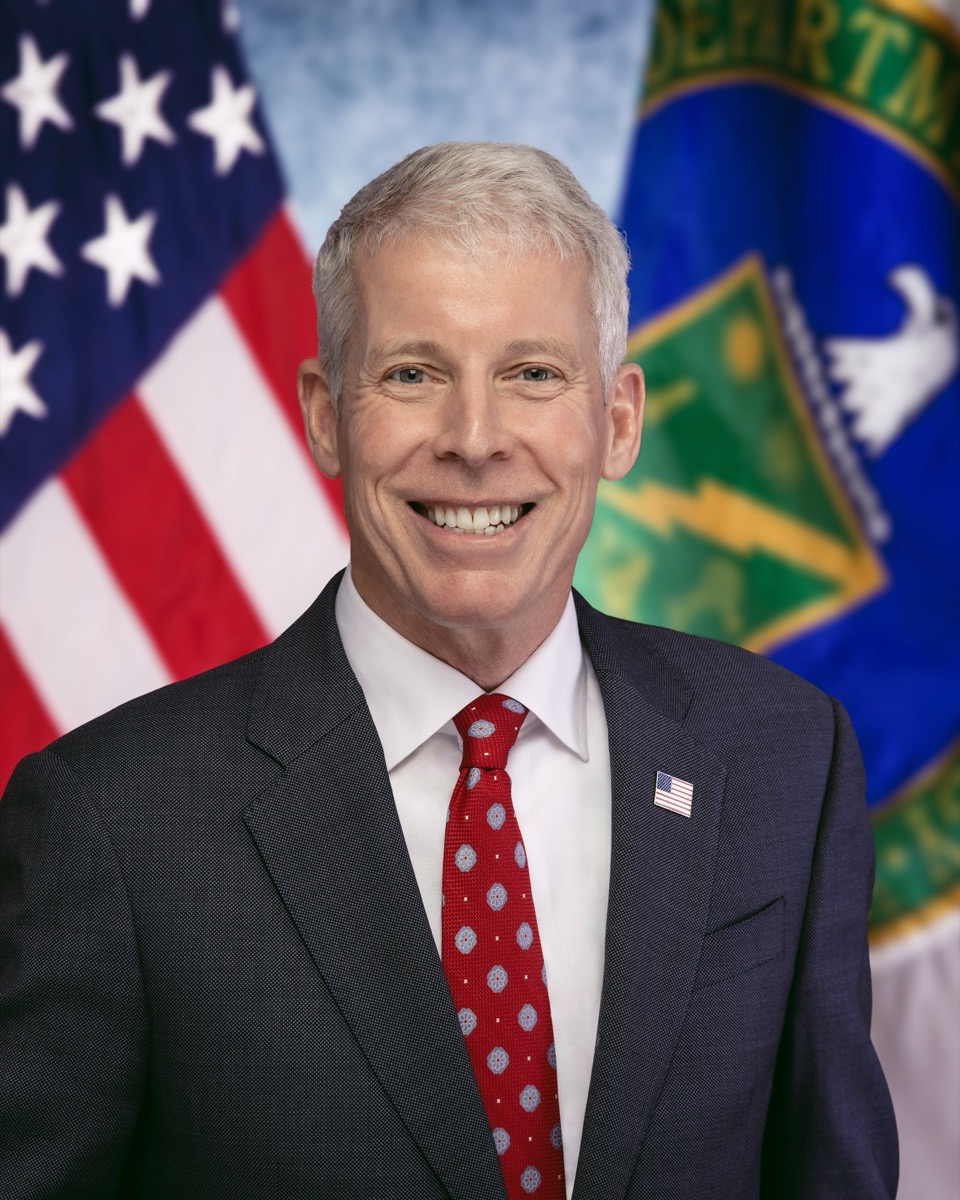
born Christopher Allen Wright
Founder of Pinnacle Technologies and Liberty Energy; U.S. Secretary of Energy since 2025 · b. 1965 · Born January 15, 1965; grew up in Colorado
Two calls made by hand, not formulas. how we score →
Summary
An MIT-trained engineer, Wright started a fracture-mapping company in 1992, ran it for 14 years, then chaired an early shale-gas producer that sold in 2006.
In 2011 he founded Liberty Oilfield Services with institutional money behind it, led it public in 2018, and kept about 1.7% by 2024. His parents and early finances are not established.
Where they worked
How it happened
Wright was born January 15, 1965, and grew up in Colorado, according to the Department of Energy and Wikipedia. He studied mechanical engineering at MIT and did graduate work in electrical engineering at Berkeley and MIT, per Liberty's 2018 IPO prospectus. No source we could open names his parents or says how school was paid for, and whether he finished a graduate degree is not stated.
In 1992 he founded Pinnacle Technologies, which developed and commercialized tiltmeter and microseismic fracture mapping, tools for seeing where a hydraulic fracture actually goes. He was its CEO until 2006. The DOE says the work helped create the fracture-mapping industry and supported the start of commercial shale gas production in the late 1990s. How Pinnacle was first funded is not established in anything we opened.
From 2000 to 2006 he chaired Stroud Energy, an early shale-gas producer that was sold to Range Resources in 2006, per the DOE. His proceeds from either company are not disclosed in the sources we opened.
In March 2011 Wright formed Liberty Holdings, the parent of Liberty Oilfield Services, and became its CEO. This time the money came from outside. Liberty's IPO prospectus says its main sources of liquidity were capital contributions from its owners, which totaled about $233.6 million by the end of 2016, and that Riverstone-affiliated funds held a significant economic interest. What separated this from his earlier ventures is that he had a decade of fracturing technology and E&P experience to bring to investors who already knew the sector.
Liberty listed on the NYSE in January 2018 at $17 a share. The prospectus put Wright's economic interest at about 3.0% after the offering; the March 2024 proxy shows 2,877,953 shares, or 1.7%. His 2023 pay as chairman and CEO was about $5.6 million, most of it stock awards. He also sat on the board of Oklo, and he left both that seat and Liberty when he became Secretary of Energy in February 2025. No sourced net-worth figure exists for him.
The coded evidence
Thirteen groups, every claim sourcedScottish descent, per Wikipedia citing ABC News.
Single secondary mention. The coded tag "European American" is an author bucket.
↗ en.wikipedia.orgnot established
No immigration event documented. Coded migration "none" is a placeholder for a US-born subject.
↗ en.wikipedia.orgnot established
Not established for the 1992 Pinnacle start or the 2011 Liberty start.
↗ en.wikipedia.orgGrew up in Colorado; town not established.
↗ energy.govRon Gusek, who joined Liberty in 2014 as a vice president and became president in December 2016, is not described as a co-founder in the filing. Founding partners at Liberty are not established.
↗ sec.govBachelor of Science in mechanical engineering, MIT; graduate work in electrical engineering at Berkeley and MIT (degree not stated).
The press prefers "master's in electrical engineering" (Wikipedia, citing ABC News); the SEC filing says only "graduate work," so the filing is followed.
↗ sec.govnot established
How Pinnacle was funded in 1992 is not established in any source opened.
↗ en.wikipedia.orgLiberty's main funding came from capital contributions by its owners, totaling about $233.6 million by the end of 2016, plus credit-facility borrowings and operating cash flow. Funds affiliated with Riverstone Holdings held a significant economic interest at the 2018 IPO. Wright's own contribution is not stated.
↗ sec.govUp-C structure at the January 2018 IPO. Executive officers as a group held about 5.3% of the economic interest after the offering; Wright held about 3.0%. By the March 2024 proxy he held 2,877,953 shares, or 1.7%.
↗ sec.govLiberty applied hydraulic-fracturing service to shale; Wright's earlier Pinnacle work was fracture mapping, a measurement technology.
↗ energy.govWright held a small minority stake while serving as CEO and later chairman. Control sat largely with institutional holders at the IPO. His Liberty equity came largely from profits-interest units and later stock awards, per the filings.
↗ sec.gov46
Age at Liberty's formation in 2011, from a January 1965 birth date. His earlier start, Pinnacle, was at 27.
↗ sec.govShale oil and gas were scaling when he started Liberty in 2011; the DOE credits Liberty with helping extend the shale boom to oil.
↗ energy.govDenver, Colorado
Liberty is Denver-based per Wikipedia citing Reuters; the 2011 office location itself is not stated.
↗ en.wikipedia.orgEnergy (oilfield services and hydraulic fracturing)
↗ energy.govnot established
No usable figure. The Forbes profile at forbes.com/profile/chris-wright/ is a different person (an insurance planner). Liberty holdings of 2,877,953 shares (March 2024 proxy) are one piece, and proceeds from Pinnacle and Stroud are not disclosed, so a total is not derived. Magnitude 3 is an author estimate from the Liberty stake alone and may be low.
↗ en.wikipedia.org5747485
Summary Compensation Table total for 2022; 2023 was $5,628,100 and 2021 was $4,611,372. Year-by-year totals for 2024 not captured.
↗ sec.govProxy statement
↗ sec.govEquity-linked. The 2023 stock-award value in the compensation table was about $3.6 million, and 369,202 shares vested during the proxy year with a reported realized value of $4.7 million.
↗ sec.govConfirmed by the Senate 59-38 on February 3, 2025 as the 17th U.S. Secretary of Energy.
↗ en.wikipedia.orgWikipedia reports, citing E&E News, that Liberty settled a racial discrimination case with the EEOC in 2024 over alleged long-term tolerance of racial slurs at a Texas oil field. This was a company matter; any finding about Wright personally is not established, and the underlying article was not opened.
↗ en.wikipedia.orgAfter
↗ en.wikipedia.orgIncidental
↗ en.wikipedia.orgPress
↗ en.wikipedia.orgMixed
Coverage of his 2024 nomination, as summarized by Wikipedia, centered on his public statements disputing a climate-crisis framing, attributed there to AP, USA Today and Al Jazeera. Policy positions are outside this profile.
↗ en.wikipedia.orgStructural context
The cost-of-failure score comes from this person's own money and circumstances. But who they were in America carried its own weight, the same way their household or income did, and it shaped how hard the path was just as much. That part isn't in the cost-of-failure number. It's here instead.
Men founded the companies that took nearly all the venture funding and almost every top outcome, a tailwind that never shows up in one person's own circumstances.
↗ techcrunch.comAmong the people recorded here — men: 225. Representation here is who reached these outcomes, not equal odds of reaching them.
Controlled comparisons
Each holds one thing constant and varies another, so the difference is the point. A list of similar names wouldn't tell you anything.