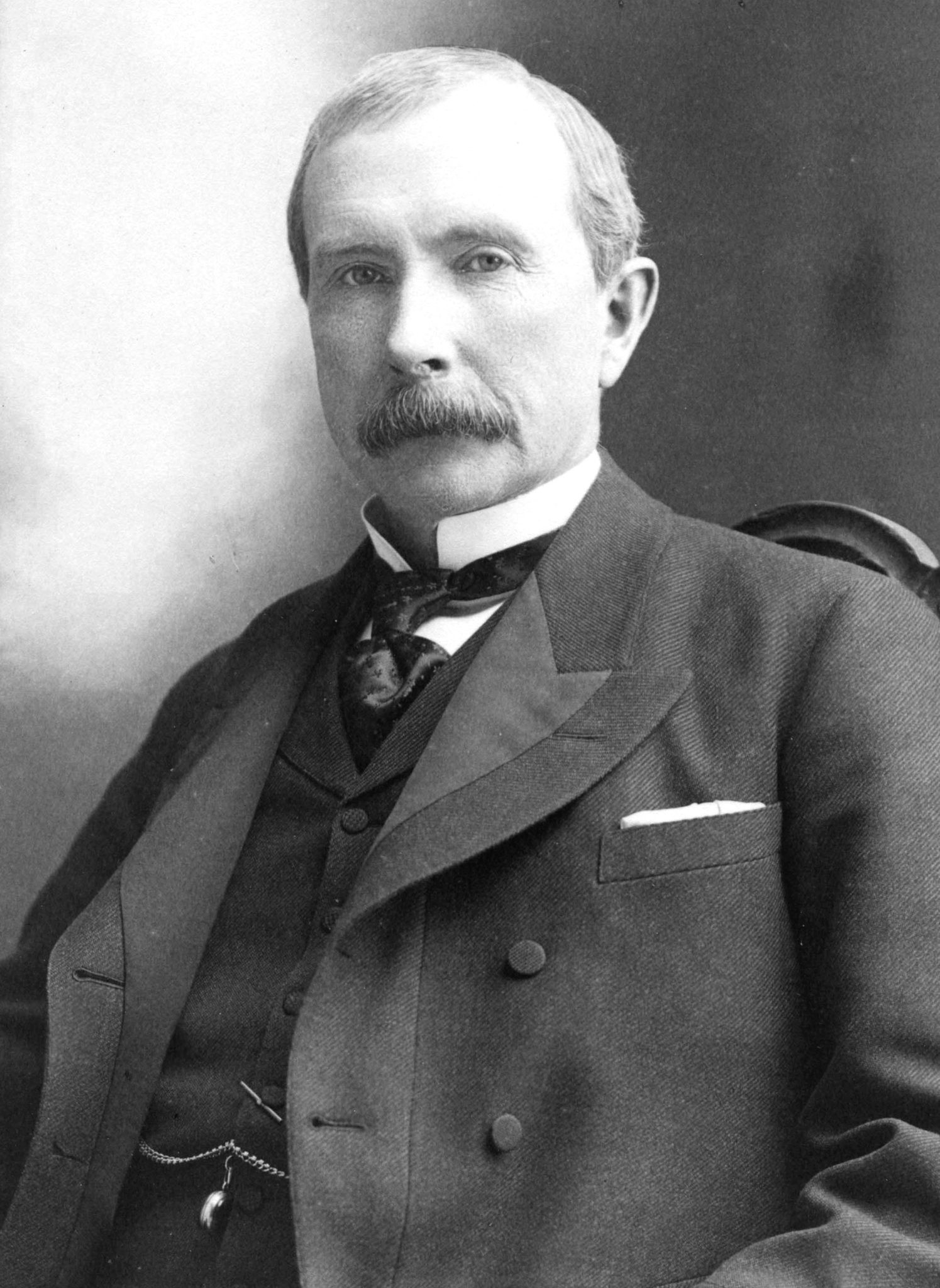
David Heinemeier Hansson
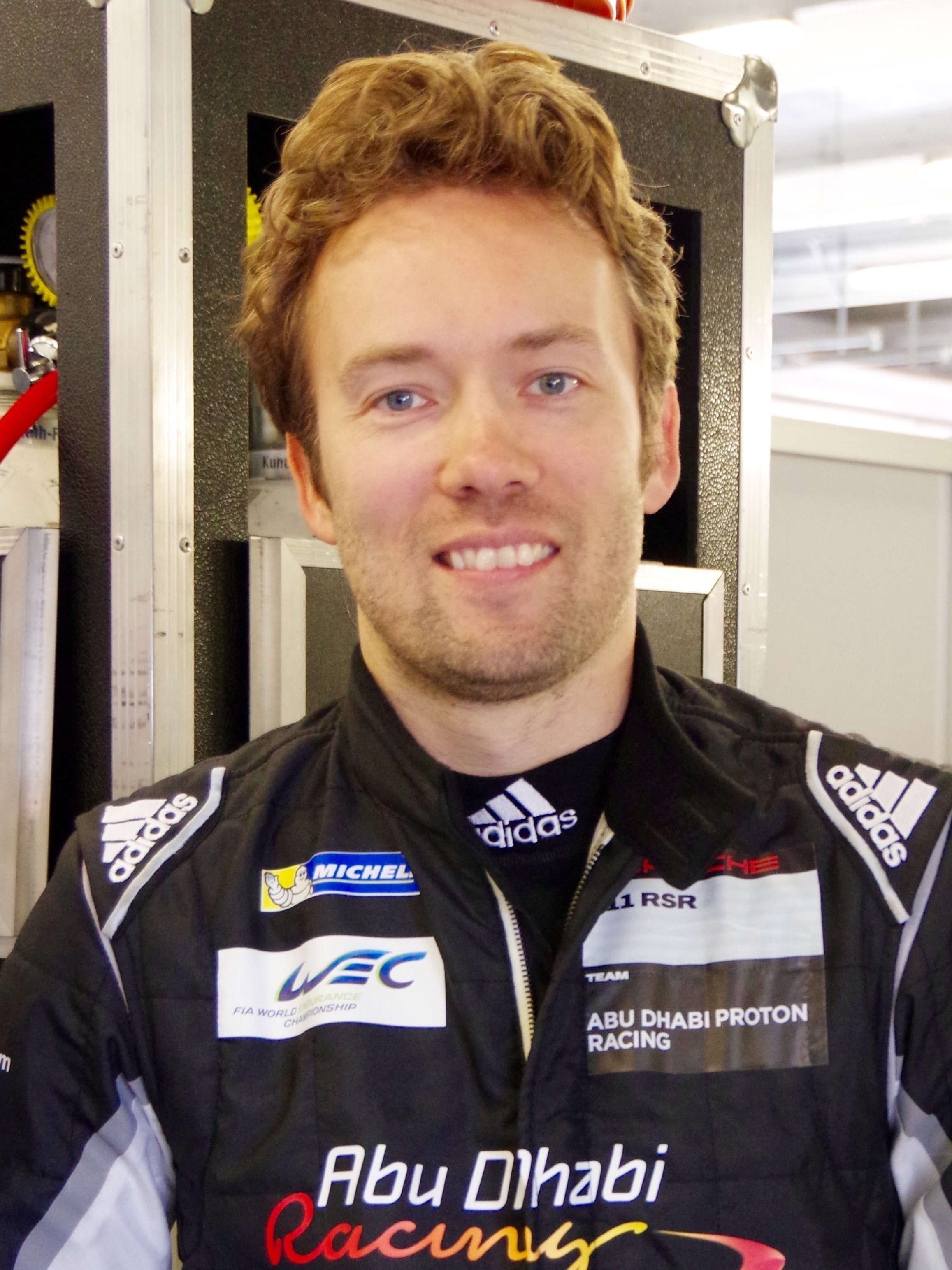
Creator of Ruby on Rails; co-owner and CTO, 37signals (Basecamp, HEY) · b. 1979 · Copenhagen, Denmark
Two calls made by hand, not formulas. how we score →
Summary
He built one of the most widely used web frameworks in software and gave it away for free, then made his money from the product it ran instead.
He and his partner turned down nearly every dollar of outside capital ever offered to them, and he did it with a Danish safety net that made failing a lot less frightening than it would have been for an American in his position.
How it happened
He grew up in Brønshøj, a working-class part of Copenhagen, in housing subsidized by a union-founded association. His father repaired televisions and hi-fi sets for a living; his mother stretched a tight budget, biking across town for cheaper groceries. None of that reads as capital in an American telling, but Denmark's welfare state gave him something a poor family elsewhere doesn't get: free healthcare, a free university education, and unemployment insurance if it all fell apart. Failing wouldn't have cost him his health or his degree.
He'd been coding since his father traded him an Amstrad computer at six, and by his late teens he was building gaming sites and freelancing in PHP. In 2001 he offered Jason Fried some coding help after reading his blog, and Fried hired him to build a project-management tool for his small Chicago design shop. While building what became Basecamp, he pulled the underlying code into its own framework and released it in 2004, for free, as Ruby on Rails. Basecamp made the money. Rails made thousands of other companies' products possible, several of which grew far bigger than his own.
He and Fried turned down the venture money that came looking once Basecamp took off, and kept turning it down for two decades. The one exception was Jeff Bezos, who in 2006 bought a minority stake with no board seat and no exit clock attached, money with none of the usual strings. They never raised again. In 2022, annoyed at a $3.2 million-a-year cloud bill, he led the company off AWS and onto its own servers, a move he projected would save roughly $10 million over five years.
In 2020, Apple threatened to pull their email app HEY from the App Store unless it paid a 30 percent cut on subscriptions sold outside the app. He fought back publicly and testified before Congress on tech monopolies that same year. In 2021, after employees objected to an internal joke document, 37signals banned political and societal discussion at work, and roughly a third of its small staff quit. In 2025, a blog post of his defending a British far-right activist drew calls from parts of the Ruby community to remove him from the project's governance.
37signals is still private, still profitable, and still run by the same two people almost a quarter-century later. Net-worth aggregators put him somewhere between $40 and $80 million, though nobody outside the company knows the real figure. He also races at Le Mans, with a class win in 2014, and after the Los Angeles wildfires reached his Malibu property in January 2025, he moved his family back to Copenhagen.
The coded evidence
Thirteen groups, every claim sourcedFirst-generation immigrant to the US; moved from Denmark to Chicago in November 2005 at age 26
↗ en.wikipedia.orgRaised in housing subsidized by AAB, a union-founded Danish housing association, in Brønshøj on Copenhagen's outskirts. No family wealth to fall back on, but Denmark's public housing and welfare system supplied a floor no single family member had to provide.
↗ danishoriginals.comPaid a wage from day one. Basecamp was built as a client project for Jason Fried's existing web-design consultancy, 37signals, and was funded out of that consultancy's revenue rather than any personal capital or investor money.
↗ basecamp.comnot established
He married and had three children later; not established whether he had dependents during the 2003–2004 build period.
↗ docs.house.govNone. Danish public university carries no tuition for Danish citizens, so his degree came with no student debt.
↗ danishoriginals.comThe hardship was imposed, not chosen. There was nothing to fall back on.
No austerity narrative in the record. He was salaried through the years he built Rails and Basecamp; there's no period of chosen or imposed hardship to check against a family home.
↗ danishoriginals.comFather repaired televisions and hi-fi equipment; mother managed the household on a limited budget, including biking to cheaper shops to stretch it further.
↗ danishoriginals.comNot applicable. Danish public education, through his university degree, carries no tuition for citizens, so no family sacrifice toward schooling costs is established or would be expected.
↗ danishoriginals.comBrønshøj, a working-class suburb on the outskirts of Copenhagen, through the 1980s.
↗ danishoriginals.comMoved from Copenhagen to Chicago in November 2005 after graduating, to work alongside Jason Fried in person. Later relocated to Malibu, California. Moved back to Copenhagen in early 2025 after wildfires reached his property and disrupted his children's schooling.
↗ en.wikipedia.orgJason Fried, whom he'd never met, after Hansson offered PHP coding help in response to reading Fried's blog in 2001. Fried hired him remotely to build a project-management tool for his small design firm, 37signals.
↗ en.wikipedia.org37signals, then a small Chicago web-design consultancy run by Jason Fried, Carlos Segura, and Ernest Kim.
↗ en.wikipedia.orgCapital, Idea
The consultancy's client revenue funded the build, and the idea (a project-management tool) came out of the firm's own client work. No evidence it supplied credibility or an existing network beyond Fried himself.
↗ basecamp.comJason Fried, who supplied the business, design, and sales side of 37signals/Basecamp while Hansson built the product and the underlying framework.
↗ en.wikipedia.org19
Founded Daily Rush, a Danish gaming news site, in 1999 at approximately 19–20, after learning PHP in high school.
↗ en.wikipedia.orgReleased Rails as a free, open-source framework rather than selling it through an existing platform vendor, so it spread by direct developer adoption rather than institutional sales or licensing.
↗ rubyonrails.orgBachelor's degree in Computer Science and Business Administration, Copenhagen Business School, 2005.
↗ docs.house.govNone. Danish public university tuition is free for citizens.
↗ danishoriginals.comDirect — enrolled at Copenhagen Business School after secondary school.
↗ docs.house.govIt paid its own way from the start. Revenue came before any outside money.
Basecamp grew out of client-funded consulting work and reportedly exceeded the design consultancy's own revenue within about a year of launch. No outside capital was raised to build it.
↗ basecamp.comIn 2006, Jeff Bezos's Bezos Expeditions bought a minority stake with no board seat and no exit timeline attached — a passive check, not a typical venture round. No further outside capital has been raised since. The company remains privately held and profitable, with Fried and Hansson retaining full operating control.
↗ en.wikipedia.orgStarting in 2022, in response to an annual cloud bill of about $3.2 million, Hansson led 37signals off AWS and Google Cloud and onto roughly $600,000 of its own Dell hardware, projecting about $10 million in savings over five years. The migration was completed without adding staff.
↗ basecamp.comRails grew directly out of building Basecamp: extracted from the product's internals in 2003 rather than designed as a standalone commercial product, then released for free in 2004.
↗ en.wikipedia.org1
Wealth is concentrated in one company (37signals) and its products, not equity stakes taken across unrelated industries.
↗ basecamp.com0
Daily Rush (1999–2001), a gaming news site he built and later set aside, isn't documented as a failure so much as a project he moved on from once Fried hired him.
↗ en.wikipedia.orgBuilt in 2003–2004, shortly after the dot-com crash, when venture capital was scarce and cautious — a climate that made bootstrapping more of a necessity and gave the strategy less competition for attention than it would get later.
↗ en.wikipedia.orgWorking remotely from Copenhagen for a Chicago-based consultancy; he didn't relocate to Chicago himself until November 2005, after Rails and Basecamp had already shipped.
↗ en.wikipedia.orgBuild. Rails and Basecamp were both created new, not acquired.
↗ en.wikipedia.orgSoftware (web frameworks and SaaS project-management/email tools)
↗ en.wikipedia.org60000000
Aggregator midpoint of a reported $40–80 million range. No filing or disclosed valuation exists for a private company that has never raised a priced round; treat as a band only.
↗ unnetworth.comAggregator
↗ unnetworth.com2026
↗ unnetworth.comOwnership in a private, profitable company rather than a salary — his co-owner stake in 37signals, not disclosed publicly, is the entire basis of any wealth estimate.
↗ en.wikipedia.orgContrarian, anti-VC, Blunt, Principled, Combative
↗ en.wikipedia.orgPublic
↗ en.wikipedia.orgBefore
His reputation as a bootstrapping evangelist was built through books co-written with Fried (Rework, 2010; Remote, 2013; It Doesn't Have to Be Crazy at Work, 2018) well before the 2020s controversies below.
↗ basecamp.comMixed
↗ en.wikipedia.orgThe reputation was deliberately built, through books, press, and PR.
A prolific author and blogger who has deliberately built a public voice.
↗ basecamp.comMultiple distinct episodes split opinion of him sharply. In 2020, Apple reportedly threatened to pull his company's HEY app from the App Store over in-app purchase fees; he became a vocal critic of Apple's policies and testified before a US House antitrust subcommittee that year. In 2021, after employees objected to an internal document of customer nicknames some found offensive, 37signals banned political and societal discussion at work, and about a third of its roughly 34-person staff resigned. In 2025, he published a blog post expressing support for British activist Tommy Robinson and that year's anti-immigration protests; some members of the Ruby on Rails open-source community publicly called for his removal from the project's governance.
↗ en.wikipedia.org37signals' business appears commercially unaffected by any of the three episodes. Whether he should continue leading Rails governance was still being argued within parts of the open-source community well into 2026.
↗ tekin.co.ukStructural context
The cost-of-failure score comes from this person's own money and circumstances. But who they were in America carried its own weight, the same way their household or income did, and it shaped how hard the path was just as much. That part isn't in the cost-of-failure number. It's here instead.
Men founded the companies that took nearly all the venture funding and almost every top outcome, a tailwind that never shows up in one person's own circumstances.
↗ techcrunch.comWhite founders are heavily overrepresented among funded companies and top-tier wealth relative to their share of the population, an edge that has nothing to do with a person's own money.
↗ techcrunch.comImmigrants and their children are overrepresented among America's biggest companies, as founders and as senior leaders. They got there through the visa, credential, and network hurdles that make the path harder to even start down.
↗ forbes.comAmong the people recorded here — men: 115 · White subjects: 74. Representation here is who reached these outcomes, not equal odds of reaching them.
Controlled comparisons
Each holds one thing constant and varies another, so the difference is the point. A list of similar names wouldn't tell you anything.