Jamie Kern Lima
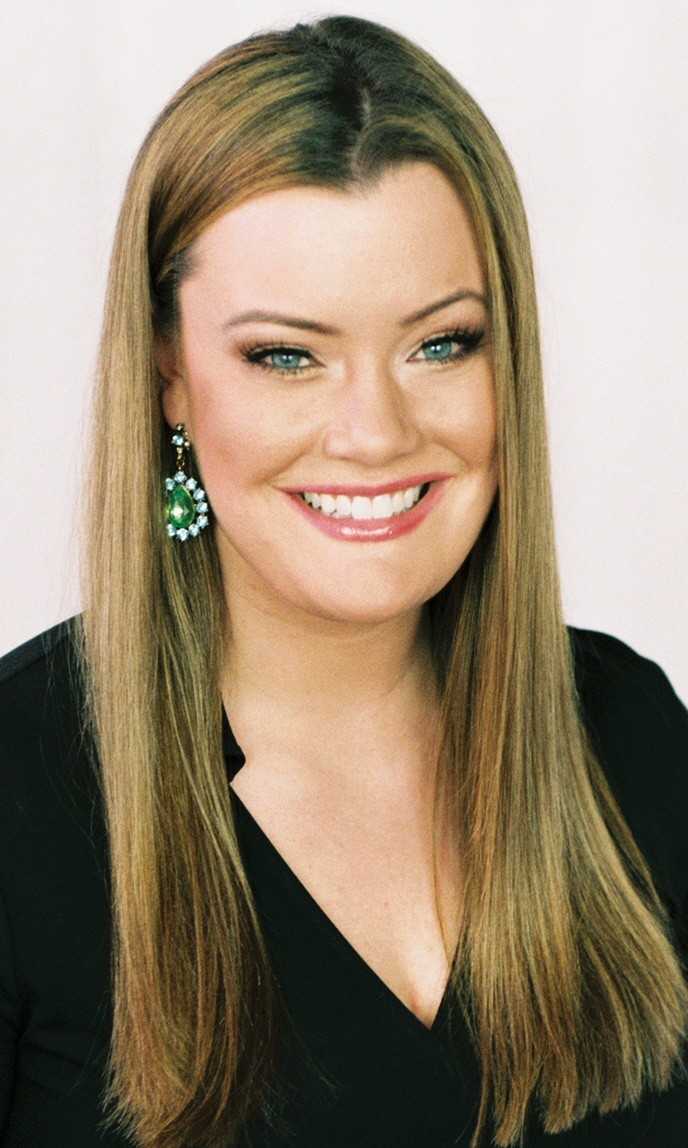
Founder and former CEO, IT Cosmetics · b. 1977 · Seattle area, Washington
Two calls made by hand, not formulas. how we score →
Summary
She and her husband started IT Cosmetics on their own savings, got turned down by every major retailer for years, and were down to under a thousand dollars in the bank the week a QVC segment finally sold out.
That one appearance carried the company to a growth investment and then a $1.2 billion sale to L'Oreal. The often-missed part is how close to broke the bet actually was before it worked.
How it happened
Raised in a working-class household in Washington state, the first in her family to go to college. She waited tables at Denny's and bagged groceries to pay her own way through Washington State University, later worked as a local news anchor in Portland, Oregon, and has spoken publicly about living with rosacea, the skin condition that made her want a concealer that actually covered it.
She and her husband Paulo, whom she met in business school, founded IT Cosmetics from their apartment in 2008. Retailers turned them down for years — Sephora said no for six, QVC for three — and Lima has said an investor told her he doubted women would buy makeup from someone who looked like her, referencing her weight. She's described that comment as one that stuck with her for years.
She didn't take a salary for three years, and by September 2010 the company's bank account, business and personal combined, held under a thousand dollars. She borrowed money to cover a manufacturer's minimum order of 6,000 units for a single ten-minute QVC segment, removed her own makeup on air to show her rosacea, and the units sold out in under eleven minutes.
A minority growth investment from TSG Consumer Partners in 2013 funded expansion past QVC into Ulta and other retail. Revenue kept climbing, and in 2016 L'Oreal bought the company outright for $1.2 billion in cash. She stayed on as CEO, the first female founder to run a brand inside L'Oreal, and left the role in 2019. She's since written two bestselling books and become a public speaker on rejection and self-worth.
The coded evidence
Thirteen groups, every claim sourcednot established
No distinct ethnic ancestry is established in the public record beyond "American." Coded at the coarse "European American" facet level only.
↗ en.wikipedia.orgDescendant, multiple generations in the US
↗ en.wikipedia.orgShe has spoken repeatedly and publicly about her Christian faith and prayer during the founding years; denomination is not established.
↗ guideposts.orgNo salary for herself for the first three years of the company. By the week of the September 2010 QVC segment, the combined business and personal bank accounts held under $1,000.
↗ amyporterfield.comBorrowed money to cover a manufacturer's minimum order of 6,000 units ahead of the QVC segment, with the debt only clearing if the units sold.
↗ femfounded.orgNot homelessness or eviction, but a genuine near-broke period: no personal salary for three years and a bank balance under $1,000 at the point of maximum exposure.
↗ amyporterfield.comThe hardship was imposed, not chosen. There was nothing to fall back on.
This was an ordinary middle-class start, not hardship, but the money actually put at risk during the build was real and imposed by the business's own cash position, not a chosen austerity performance.
↗ amyporterfield.comnot established
Not established beyond "working-class." No profile names her parents' specific occupations.
↗ en.wikipedia.orgShe has said on the record that she learned in her late twenties that she had been adopted at birth, discovered around the time her birth mother died. She was raised without knowing this by her adoptive parents.
↗ newsbreak.comPut herself through Washington State University working multiple jobs — waitressing at Denny's, bagging groceries at Safeway, and other work — with no family funding.
↗ amyporterfield.comWorking-class household in the Seattle area, Washington state.
↗ en.wikipedia.orgMoved from Washington state to New York for business school, then to Portland, Oregon for television news work, then to Los Angeles to build and run IT Cosmetics.
↗ en.wikipedia.orgCold. A QVC beauty buyer noticed IT Cosmetics at a trade show after years of being turned down elsewhere and offered a single ten-minute segment.
↗ femfounded.orgLocal television news, most recently as a morning anchor and reporter at KPTV in Portland, Oregon. Gave her on-camera comfort and some public visibility, but no beauty-industry contacts or capital.
↗ en.wikipedia.orgSkill
On-camera presenting skill only; no capital, credibility, or network in cosmetics.
↗ en.wikipedia.orgHer husband, Paulo Lima, co-founded the company with her. They met in a statistics class at Columbia Business School.
↗ forbes.comEvery major beauty retailer rejected the product for years — Sephora for six years, QVC for three — before a single QVC segment broke the brand into a channel that made no room for it the first three times it asked.
↗ femfounded.orgMBA, Columbia Business School; BA, Washington State University (valedictorian).
↗ en.wikipedia.orgnot established
Undergraduate was self-funded through part-time work. Whether the Columbia MBA was debt-financed is not established.
↗ amyporterfield.comHeld multiple jobs throughout her undergraduate years, including waitressing and grocery bagging.
↗ amyporterfield.comDirect four-year degree, then a full MBA before founding the company.
↗ en.wikipedia.orgPersonal savings and income from the couple, put into the business from their apartment starting in 2008. No investor money at founding.
↗ femfounded.orgIt paid its own way from the start. Revenue came before any outside money.
Reported roughly $1 million in sales in the first year, self-funded, ahead of any outside capital.
↗ femfounded.orgTSG Consumer Partners took a minority equity growth investment, announced in September 2013, after the QVC breakthrough had already proven demand. No investor money went into the founding or the early near-broke years.
Some secondary sources date TSG's involvement to 2012; the earliest confirmed public announcement is the September 2013 trade-press release, which is what is cited here.
↗ cosmeticsbusiness.comBootstrapped from savings through the founding and the QVC breakthrough with no outside capital. A single minority growth round followed product-market fit; founders retained majority control through the 2016 sale.
↗ cosmeticsbusiness.comPersonal experience. She developed the line after struggling to find makeup that covered her own rosacea and hyperpigmentation.
↗ en.wikipedia.orgBorrowed against a manufacturer's minimum order of 6,000 units for the first QVC segment while the couple's combined bank balance was under $1,000, with no salary drawn for three years.
↗ amyporterfield.comSelf and her husband, from savings and unpaid founder labor over the first three years.
↗ amyporterfield.comA single ten-minute QVC segment in September 2010, in which she removed her own makeup on camera to show her rosacea before demonstrating the concealer, sold out 6,000 units in under eleven minutes.
↗ femfounded.orgBuilt a new product line and brand from nothing, not an acquisition.
↗ en.wikipedia.orgBeauty and cosmetics
↗ forbes.com670000000
Forbes America's Richest Self-Made Women estimate, June 2025, for a person now diversified into other investments (Dutch Bros, Duckhorn, and others). Not the same figure as the $1.2B sale price, which was IT Cosmetics' enterprise value shared among L'Oreal, TSG, and the founders, before tax. Forbes separately estimated her after-tax proceeds from the 2016 sale itself at roughly $410M. Band only.
↗ forbes.comJournalistic estimate
↗ forbes.com2025
↗ forbes.comWealth from an owned, appreciating private company, realized in one cash sale rather than earned as salary. She's since reinvested part of the proceeds into other private companies.
↗ forbes.comFirst female founder-CEO to lead a brand inside L'Oreal. #1 New York Times bestselling author of "Believe IT" (2021) and "Worthy" (2024).
↗ en.wikipedia.orgUncapped
↗ cosmeticsbusiness.comResilient, Values driven, Self made
↗ femfounded.orgPress
↗ forbes.comAfter
↗ femfounded.orgAsset
The rejection-to-billion-dollar-sale story became central to her later public speaking and publishing career.
↗ forbes.comThe reputation was deliberately built, through books, press, and PR.
Deliberately built through two bestselling books and a speaking career after leaving IT Cosmetics in 2019.
↗ en.wikipedia.orgStructural context
The cost-of-failure score comes from this person's own money and circumstances. But who they were in America carried its own weight, the same way their household or income did, and it shaped how hard the path was just as much. That part isn't in the cost-of-failure number. It's here instead.
Startups founded only by women have drawn about 2% of US venture capital, a share that has barely moved in a decade. Raising money as a woman was harder than any one record shows.
↗ techcrunch.comAmong the people recorded here — women: 68 · white subjects: 12. Representation here is who reached these outcomes, not equal odds of reaching them.
Controlled comparisons
Each holds one thing constant and varies another, so the difference is the point. A list of similar names wouldn't tell you anything.