Jennifer Lopez
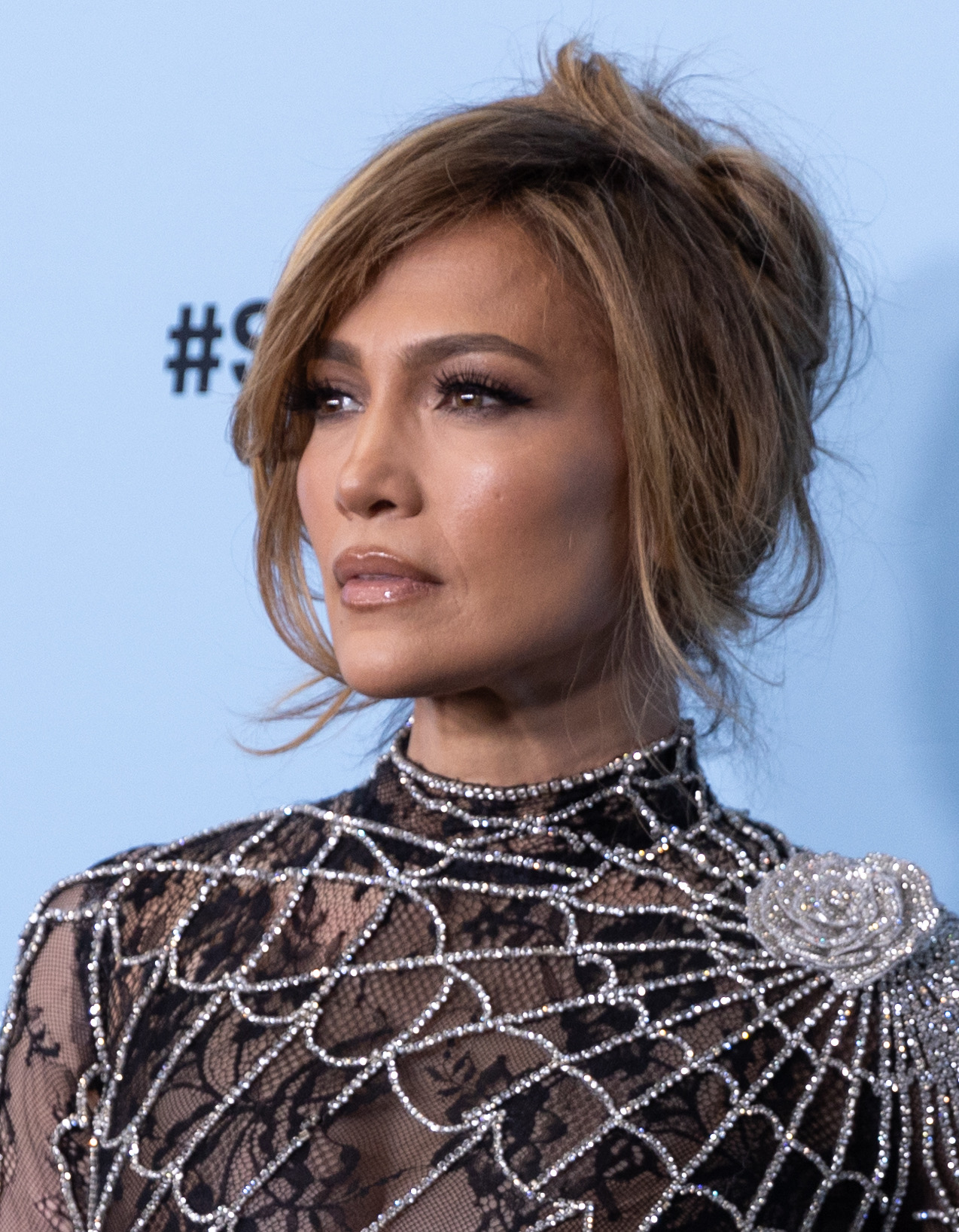
born Jennifer Lynn Lopez
Recording artist and actress; founder, Nuyorican Productions and JLo Beauty · b. 1969 · The Bronx, New York City
Two calls made by hand, not formulas. how we score →
Summary
She grew up working-class in the Bronx, daughter of an insurance-company employee and a schoolteacher, and left home at eighteen to dance over her parents' objections.
Film and music stardom followed, but the real turn came in 2001, when she stopped working only for a fee and started building things she owned: a production company, then a fragrance line, then a beauty brand.
How it happened
Jennifer Lynn Lopez was born in 1969 in the Bronx to Puerto Rican parents. Her father, David, was an Army veteran who worked as a computer technician at Guardian Insurance; her mother, Guadalupe, was a kindergarten teacher who also sold Tupperware. The three Lopez sisters shared a bed in a strict Catholic household — weekly Mass, Catholic school, no money to spare. It was a stable two-parent home, not a rich one.
She trained in flamenco, jazz, and ballet at a local Boys & Girls Club and, after one semester at Baruch College, dropped out at eighteen to dance full time. Her parents didn't approve; her mother asked her to move out, and the two didn't speak for about eight months. She moved to Manhattan and, for a few months, slept in the office of the dance studio where she trained. Professional dance work followed — a 1989 European tour, then a stint in MC Hammer's stage show — and in 1991 she moved to Los Angeles and won a spot as a "Fly Girl" dancer on In Living Color.
In 1997 she was cast as singer Selena Quintanilla-Pérez in the biopic Selena, beating out thousands of other actresses for the part. The studio reportedly paid her $1 million, making her the first Latina actress to command that figure, and she said afterward it bothered her that other Latina actors weren't getting the same opportunities. The film's director later said he was told the Academy would "never nominate a Latina" when he tried to mount an Oscar campaign for her performance.
January 2001 made her the first woman to have a number-one album (J.Lo) and a number-one film (The Wedding Planner) in the same week. She used that moment to start acting like an owner rather than a hired talent: she founded Nuyorican Productions that same year, and the next year launched Glow by JLo, one of the first big celebrity fragrances of that era. Instead of just collecting a fee to put her name on a bottle, she kept building — the production company stayed entirely hers, and the fragrance line ran for two decades and spun off dozens more scents.
The fragrance business scaled through a manufacturing partnership with Designer Parfums; Nuyorican Productions produced Hustlers, Second Act, and Shades of Blue and later signed a first-look deal with Netflix. Her Las Vegas residency, All I Have, grossed more than $100 million across 120 shows between 2016 and 2019. In 2021 she launched JLo Beauty as founder of a joint venture between Guthy-Renker and BRX GR LLC — a beauty-industry manufacturing partner rather than a marketing licensing deal, though her personal equity stake in it isn't publicly disclosed.
She's still working across film, music, and television in her mid-fifties, with a production company, a beauty brand, and a fragrance business that outlasted the acting roles that made her famous in the first place. Her fortune is estimated at roughly $400 million — real money, built off owning pieces of businesses rather than off any single paycheck, but nowhere near the billion- dollar tier some of her music-and-beauty peers reached.
The coded evidence
Thirteen groups, every claim sourcednot established
Not established as a distinct field from ethnicity in the public record; Puerto Rican identity spans US census race categories inconsistently and isn't consistently reported on its own.
↗ en.wikipedia.orgBorn in the Bronx to parents who had relocated from Puerto Rico to New York City. Puerto Ricans are US citizens by birth, so this is internal domestic movement one generation removed from her own birth, not immigration in the visa sense.
↗ en.wikipedia.orgRaised attending weekly Mass and Catholic school (Holy Family, then Preston High School).
↗ en.wikipedia.orgnot established
Not independently established at the specific level from public sources.
↗ en.wikipedia.orgHer parents' Bronx home was available through most of childhood, but at eighteen, after she left Baruch College to dance full time, her mother asked her to move out and the two didn't speak for about eight months.
↗ en.wikipedia.orgSlept in the office of the Manhattan dance studio where she trained for a few months at eighteen, after leaving her mother's home and before professional dance work paid enough to cover rent.
↗ en.wikipedia.orgThe hardship was chosen. There was a home to go back to if it failed.
She chose to leave a stable two-parent home and a college enrollment for an unpaid, uncertain path; the family reconciled after about eight months, and there's no indication the Bronx home would have stayed closed to her indefinitely had the dance career not worked out.
↗ en.wikipedia.orgFather David Lopez, an Army veteran who worked as a computer technician at Guardian Insurance; mother Guadalupe Rodríguez, a kindergarten teacher who also sold Tupperware.
↗ en.wikipedia.orgNeither parent was self-employed.
Both parents held employed positions; the Tupperware selling was a side activity, not a business.
↗ en.wikipedia.orgHer parents did not initially sanction the unconventional path — they wanted her to finish college, and her mother made her move out when she dropped out of Baruch College to dance full time. Sanction came later, after the estrangement, not at the outset.
↗ en.wikipedia.orgHas said on the record that she suffered from severe overwork and sleep deprivation while filming Enough in 2002, describing it as "a nervous breakdown." This is a self-described episode rather than a named clinical diagnosis, so it isn't coded to a specific condition.
↗ en.wikipedia.orgWorking-class Castle Hill neighborhood, the Bronx, New York City.
↗ en.wikipedia.orgHoly Family School, then Preston High School, a private Catholic all-girls secondary school, both in the Bronx.
↗ en.wikipedia.orgMoved from the Bronx to Manhattan at eighteen to dance full time; moved to Los Angeles in late 1991 for the In Living Color role.
↗ en.wikipedia.orgCold and institutional at each major step: an open national casting process for In Living Color's Fly Girl dancers in 1991, and a competitive open casting call for Selena in 1996-97 where she was chosen over thousands of other actresses. No family or industry connection opened either door.
↗ en.wikipedia.org19
First paid professional dance work: a 1989 European tour with Golden Musicals of Broadway.
↗ en.wikipedia.orgBy the time Glow by JLo launched in 2002 she already had a chart- topping album and a string of box-office roles behind her; by the 2021 JLo Beauty launch she had two-plus decades of continuous global fame. Both brands launched directly into an existing audience rather than building one from scratch.
↗ en.wikipedia.orgManager Benny Medina co-founded Nuyorican Productions with her in 2001, though the two split professionally shortly afterward; she has worked with other managers and agents since in negotiating her film, music, and brand deals.
↗ en.wikipedia.orgNo college degree. Attended Baruch College for one semester as a business major before leaving to pursue dance full time at eighteen.
↗ en.wikipedia.orgPaid professional dance work starting with a 1989 European tour (Golden Musicals of Broadway); modest wages, no documented amount.
↗ en.wikipedia.orgIt paid its own way from the start. Revenue came before any outside money.
Every stage of her career was funded by fees for dancing, acting, or singing, not by raised capital.
↗ en.wikipedia.orgBy the early 2000s she was earning several million dollars per film plus music royalties. That income, not outside investment, funded her move from performer into brand owner — founding Nuyorican Productions in 2001 and entering the fragrance and beauty businesses that followed.
↗ forbes.comNuyorican Productions is wholly hers. The fragrance line runs through a manufacturing partnership with Designer Parfums (since 2017); JLo Beauty launched in 2021 as a joint venture between Guthy-Renker and BRX GR LLC, with Lopez as founder. Her personal equity percentage in the fragrance or beauty ventures isn't publicly disclosed, unlike the clearly reported 50-50 split behind comparable deals such as Rihanna's Fenty Beauty.
↗ prnewswire.comJLo Beauty grew out of her own skincare routine, developed over two years and more than 100 reformulations; she's cited a family recipe involving olive oil as an inspiration for its core ingredient.
↗ prnewswire.com3
Distinct businesses built as brand/founder positions rather than pure fee-for-work: film and TV production (Nuyorican Productions, wholly owned), fragrance (Glow and the wider JLo scent line), and beauty (JLo Beauty). The precise equity terms of the fragrance and beauty partnerships aren't public, so this is coded on the count of industries rather than confirmed ownership percentages.
↗ en.wikipedia.orgGlow launched in 2002 during the early-2000s boom in celebrity-branded fragrances, a category several music and film stars entered around the same years.
↗ en.wikipedia.orgBuilt. Nuyorican Productions, the fragrance line, and JLo Beauty were all new ventures, not acquisitions.
↗ en.wikipedia.org31
Age at founding Nuyorican Productions in 2001, the point her income began routing into an owned company rather than pure fees.
↗ en.wikipedia.orgMusic, film, and beauty/fragrance
↗ forbes.com400000000
Aggregator estimate with no disclosed methodology, as of an April 2026 update. Not a billionaire; the figure sits solidly in the $100M-1B band and should not be inflated toward the next band up.
↗ celebritynetworth.comAggregator
↗ celebritynetworth.com50000000
Reported combined earnings for the twelve months between June 2017 and June 2018, an aggregator figure.
↗ celebritynetworth.comAggregator
↗ celebritynetworth.comA mix: substantial fee income from acting, touring, and TV judging (American Idol paid her a reported $20 million for one season) layered on top of owned equity in Nuyorican Productions and undisclosed stakes in the fragrance and beauty partnerships.
↗ en.wikipedia.orgFirst Latina actress reported to earn a $1 million film salary (Selena, 1997); first woman to have a simultaneous number-one album and number- one film (January 2001); her green Versace Grammy dress in 2000 drove enough search traffic that Google has credited it with prompting the creation of Google Images.
↗ en.wikipedia.orgUncapped
Owns Nuyorican Productions outright and holds a founder/equity position in the beauty and fragrance ventures, alongside capped fee income from acting and touring.
↗ en.wikipedia.orgHardworking, Self made, reinvention icon
Forbes has described her American Idol run as humanizing her public image as a hardworking, self-made single mother, following the mid-2000s Bennifer/Gigli-era backlash.
↗ forbes.comPress
↗ forbes.comBefore
Her fame and public reputation were well established by the late 1990s, well before the brand-ownership ventures that followed from 2001 onward.
↗ en.wikipedia.orgAsset
↗ forbes.comRecovered commercially and reputationally more than once — most visibly after the 2003 Gigli-era backlash, which she has called the low point of her career, through the 2011 American Idol and Love? comeback that critics called one of music's great turnarounds.
↗ en.wikipedia.orgStructural context
The cost-of-failure score comes from this person's own money and circumstances. But who they were in America carried its own weight, the same way their household or income did, and it shaped how hard the path was just as much. That part isn't in the cost-of-failure number. It's here instead.
Across film, music, and digital, ownership and control stay in far fewer women's hands than men's. For one measure, women directed only about 12% of 2023's top-grossing films.
↗ assets.uscannenberg.orgAmong the people recorded here — women: 54. Representation here is who reached these outcomes, not equal odds of reaching them.
Controlled comparisons
Each holds one thing constant and varies another, so the difference is the point. A list of similar names wouldn't tell you anything.