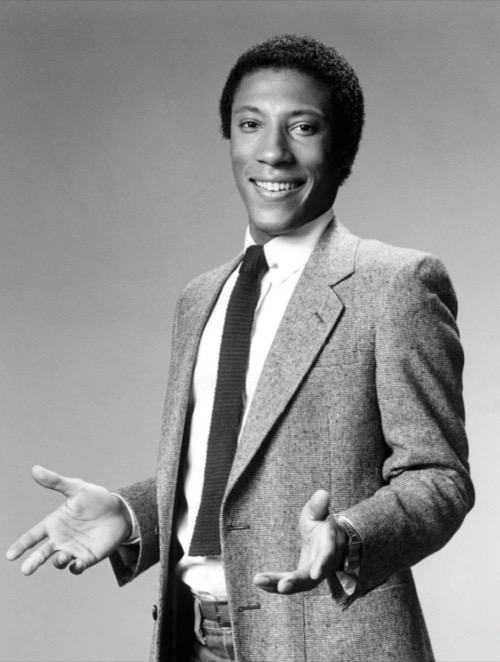
Keenen Ivory Wayans
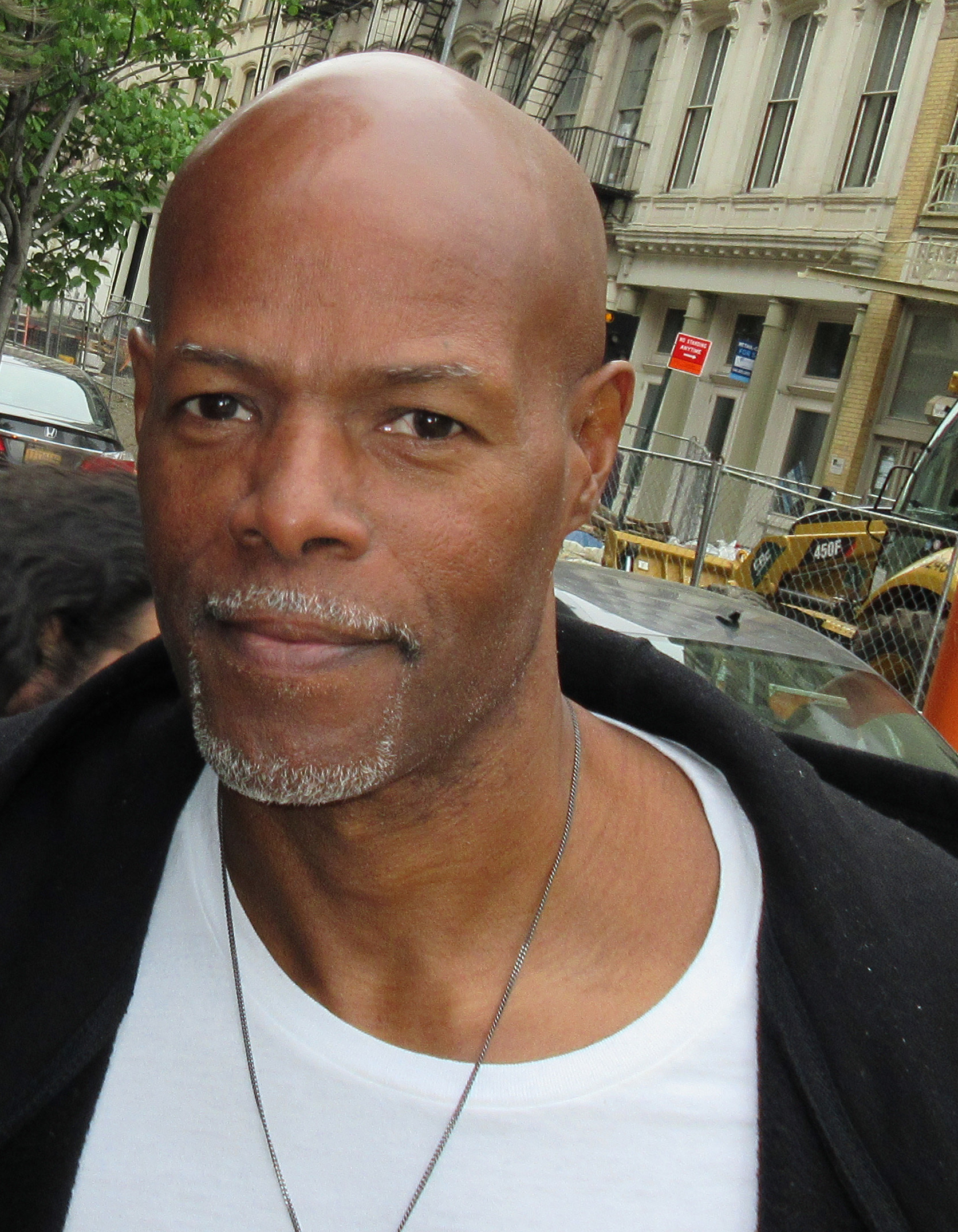
Creator and host, "In Living Color"; director, "Scary Movie" and "White Chicks" · b. 1958 · Harlem, New York City
Two calls made by hand, not formulas. how we score →
Summary
Second of ten kids in a Jehovah's Witness household in a Manhattan housing project, he worked 70-hour weeks at McDonald's through high school, won an engineering scholarship, then left Tuskegee a semester short of a degree to try comedy.
He talked Fox into airing Black sketch comedy in prime time, cast three siblings, then quit at its ratings peak rather than let the network rerun it without him.
How it happened
Second of ten children born to Howell Wayans, a supermarket manager, and Elvira Wayans, a homemaker, the family moved to Manhattan's Fulton Houses when he was six. His father, a Jehovah's Witness, kept the kids close to home, so the ten of them entertained each other after dinner instead. He later said the routine was simple: whatever happened that day became the material. He worked roughly 70 hours a week at a McDonald's while still in high school and also landed an engineering scholarship to Tuskegee.
He left Tuskegee one semester before graduating and went back to New York to try stand-up, working the same Improv circuit as Robert Townsend and Eddie Murphy. He and Townsend drove to Los Angeles together in 1980. Years of bit parts and a single recurring TV role followed before he co-wrote "Hollywood Shuffle" with Townsend in 1987.
Hollywood Shuffle's success got him financing to write, direct, and star in "I'm Gonna Git You Sucka" (1988), a concept Eddie Murphy had suggested to him. It made its budget back several times over, but he later said United Artists never got past treating it as a niche release because it was Black. Fox executives, impressed by the film, offered him a series of his own.
"In Living Color" premiered on Fox in April 1990 — a sketch show built around Black comedic voices the networks weren't using, with three of his siblings in the cast. It won an Emmy its first season and launched Jim Carrey, Jamie Foxx, and Jennifer Lopez. Fox owned the show through 20th Television; his own production company was a junior partner in the deal.
By 1992 he was fighting Fox over content notes and, more consequentially, over the network airing early episodes as reruns without consulting him — a move he believed would gut the show's eventual syndication value. He stopped performing after season three and left the show entirely during season four, at the height of its ratings. Several of his siblings walked out with him rather than stay without him.
A self-titled talk show lasted one season despite decent reviews. He found his footing again as a director: "Scary Movie" (2000) became the highest-grossing film directed by a Black filmmaker at the time, and "White Chicks" (2004) followed. He has kept working steadily since, mostly for other studios rather than out of anything he owns outright.
The coded evidence
Thirteen groups, every claim sourcedDescendant
"Finding Your Roots" traced his paternal line to Madagascar and enslaved ancestry in the U.S.; a multi-generation American descendant rather than an immigrant family.
↗ en.wikipedia.orgHis father was a devout Jehovah's Witness who restricted the children's outside socializing.
↗ encyclopedia.comnot established
Not established; no source addresses language at home specifically.
↗ en.wikipedia.orgThe family lived in the Fulton Houses, a NYCHA public-housing complex on Manhattan's West Side, throughout his childhood — a stable two-parent household but not a financial cushion. No fallback housing or family asset is established for the years after he left for Los Angeles at 22 with no job lined up.
↗ encyclopedia.comBit parts and a single recurring television role (a soldier on NBC's "For Love and Honor," 1983–84) provided intermittent income during the seven years between moving to Los Angeles and "Hollywood Shuffle." Nothing describes a steady floor beneath that.
↗ en.wikipedia.org0
He married in 2001 and his five children were born after that; he had no dependents during the 1980–1994 build.
↗ en.wikipedia.orgnot established
His Tuskegee years were scholarship-funded; no student debt or other debt overhang is documented.
↗ encyclopedia.comnot established
No homelessness, eviction, or comparable instability during the 1980–1990 build is documented in available sources.
↗ en.wikipedia.orgThe hardship was imposed, not chosen. There was nothing to fall back on.
The 70-hour McDonald's weeks in high school and the thin years of bit parts in Los Angeles read as necessity, not a chosen austerity — there was no family home with money behind it to fall back on.
↗ encyclopedia.comFather Howell Wayans managed a supermarket; mother Elvira Wayans was a homemaker (other accounts also describe her doing social-work-adjacent community work).
↗ en.wikipedia.orgNeither parent was self-employed.
↗ en.wikipedia.orgnot established
No grandparent or extended relative supplying mentorship, capital, or industry exposure is documented; his middle name, Ivory, honored a grandfather, but nothing beyond that is established.
↗ en.wikipedia.orgHe worked roughly 70 hours a week at a McDonald's while still in high school. Whether that income was specifically earmarked for schooling versus general household need isn't established.
↗ encyclopedia.comnot established
No evidence of active family facilitation of a comedy career — if anything, the household's restrictions on outside socializing and the scholarship track he walked away from cut the other way. Comedy grew out of siblings entertaining each other at home rather than a parent opening doors to it.
↗ encyclopedia.comFulton Houses, a NYCHA public-housing project on Manhattan's West Side, in a neighborhood that was majority white at the time; he has described experiencing racism there from police and other children.
↗ encyclopedia.comSeward Park High School, a public high school in Manhattan.
↗ en.wikipedia.orgMoved to the Fulton Houses around age six; left New York for Tuskegee University in Alabama for college; returned to New York after dropping out; then moved to Los Angeles in 1980 with Robert Townsend to pursue acting.
↗ en.wikipedia.orgHe has said the industry's narrow view of Black talent pushed him from acting into writing and directing his own material, and that United Artists "never got beyond the fact that it was Black" in how it distributed "I'm Gonna Git You Sucka" — limiting a film that made its budget back several times over. The show he built next was explicitly a response to the absence of Black voices in network sketch comedy.
↗ encyclopedia.comMet Robert Townsend and Eddie Murphy on the New York Improv circuit; drove to Los Angeles with Townsend in 1980, and later co-wrote "Hollywood Shuffle" with him. Eddie Murphy separately suggested the blaxploitation-parody concept behind "I'm Gonna Git You Sucka."
↗ en.wikipedia.orgFox Broadcasting Company offered him a series after executives saw "I'm Gonna Git You Sucka," giving an untested first-time creator his own show.
↗ encyclopedia.comCapital, Credibility, Network
Fox and 20th Television funded and broadcast "In Living Color"; the credibility and reach it supplied are why the show mattered so much, and why losing control of it stung.
↗ en.wikipedia.orgBuilt credibility the slow way — years of stand-up sets and small acting roles, then a self-financed writing and directing track record — before a network came to him rather than the reverse.
↗ en.wikipedia.orgModest name recognition from years on the New York and Los Angeles stand-up circuits and bit parts, plus "Hollywood Shuffle" (1987), by the time Fox approached him in 1989–90 — real but not a mass audience.
↗ en.wikipedia.orgNo degree. Attended Tuskegee University on an engineering scholarship and left one semester before graduating to pursue comedy.
↗ en.wikipedia.orgnot established
Scholarship-funded; no debt is documented, and he didn't complete the degree.
↗ encyclopedia.comWorked roughly 70 hours a week at a McDonald's while in high school; whether that continued once he was at Tuskegee isn't established.
↗ encyclopedia.comnot established
Tuskegee is a historically Black university with a strong alumni network, but he left before graduating and no instance of that network aiding his entertainment career is documented.
↗ en.wikipedia.orgnot established
His projects were studio- and network-financed from "Hollywood Shuffle" onward; no personal first-dollar investment amount is documented.
↗ en.wikipedia.orgIt needed capital up front, before it earned anything.
"I'm Gonna Git You Sucka" carried a studio-supplied $3M budget before it earned anything back; "In Living Color" was network-funded from the start.
↗ en.wikipedia.org"In Living Color" was produced through his own Ivory Way Productions, but in association with, and effectively under, 20th Century Fox Television and later 20th Television — Fox owned the show, not him. That imbalance became the fight: in 1992 the network began rerunning early episodes and editing content without consulting him, which he believed would cut into the show's future syndication value. He stopped appearing on camera that year and left the show entirely during season four.
↗ en.wikipedia.orgnot established
Unlike some peers in the same era, he has never owned a studio, production facility, or comparable infrastructure; his work has run through other companies' plants his whole career.
↗ en.wikipedia.org"In Living Color" grew out of his own observation that Black comedic voices were absent from network sketch television. "I'm Gonna Git You Sucka" came from a blaxploitation-parody concept Eddie Murphy suggested to him directly.
↗ en.wikipedia.org1
His income is concentrated in one industry — film and television writing, directing, and producing — rather than equity stakes taken across unrelated categories.
↗ celebritynetworth.comnot established
No documented failed ventures before the 1987–1990 breakthrough beyond years of limited acting opportunities, which reads as constraint rather than a discrete failed attempt.
↗ en.wikipedia.orgRoughly seven years between moving to Los Angeles in 1980 and his "Hollywood Shuffle" breakthrough in 1987 — bit parts, one recurring TV role, and stand-up, before he wrote, directed, and financed his own material.
↗ en.wikipedia.orgStopped performing on "In Living Color" after season three in 1992 over the rerun and creative-control dispute with Fox, then left the show entirely during season four in 1994 — walking away from television's biggest sketch show while it was still a top-twenty program. Several of his siblings left with him rather than stay on without him.
↗ en.wikipedia.orgFox was still an upstart fourth network in 1990, trying to differentiate itself with edgier, younger-skewing programming — a competitive weakness that made it willing to hand a first-time Black creator real latitude it might not have offered at a dominant network.
↗ en.wikipedia.orgLos Angeles, where he had lived since 1980.
↗ en.wikipedia.orgBuilt. "In Living Color" was a new format and cast assembled from scratch, not an acquired or licensed property.
↗ en.wikipedia.orgComedy, film, and television
↗ en.wikipedia.org65000000
Aggregator estimate with no disclosed methodology; treated as a band-level figure only.
↗ celebritynetworth.comAggregator
↗ celebritynetworth.comIncome, largely. Decades of directing, producing, and creator fees and backend points across films and television, rather than an owned studio, catalog, or company comparable to what some peers built.
↗ celebritynetworth.comCapped
Paid through studio deals, salaries, and backend points rather than equity ownership of the underlying shows or films.
↗ celebritynetworth.comTrailblazing, protective of creative control, a pioneer of Black sketch comedy
↗ en.wikipedia.orgPublic
↗ en.wikipedia.orgAfter
His reputation crystallized with "In Living Color"'s success and then his very public departure from it, not before.
↗ en.wikipedia.orgAsset
Being known for holding out for creative control plausibly helped him land later directing deals, though no source states this directly.
↗ en.wikipedia.orgStructural context
The cost-of-failure score comes from this person's own money and circumstances. But who they were in America carried its own weight, the same way their household or income did, and it shaped how hard the path was just as much. That part isn't in the cost-of-failure number. It's here instead.
Men hold most of the ownership and gatekeeping across the creative and media industries, the default that recognition and deals flow toward.
↗ assets.uscannenberg.orgIn the creative and media industries, recognition comes far more easily to underrepresented creators than the ownership it should turn into. Among 2023's top-grossing film directors, for one measure, eight were Black.
↗ assets.uscannenberg.orgAmong the people recorded here — men: 115 · Black subjects: 58. Representation here is who reached these outcomes, not equal odds of reaching them.
Controlled comparisons
Each holds one thing constant and varies another, so the difference is the point. A list of similar names wouldn't tell you anything.