Kendrick Lamar
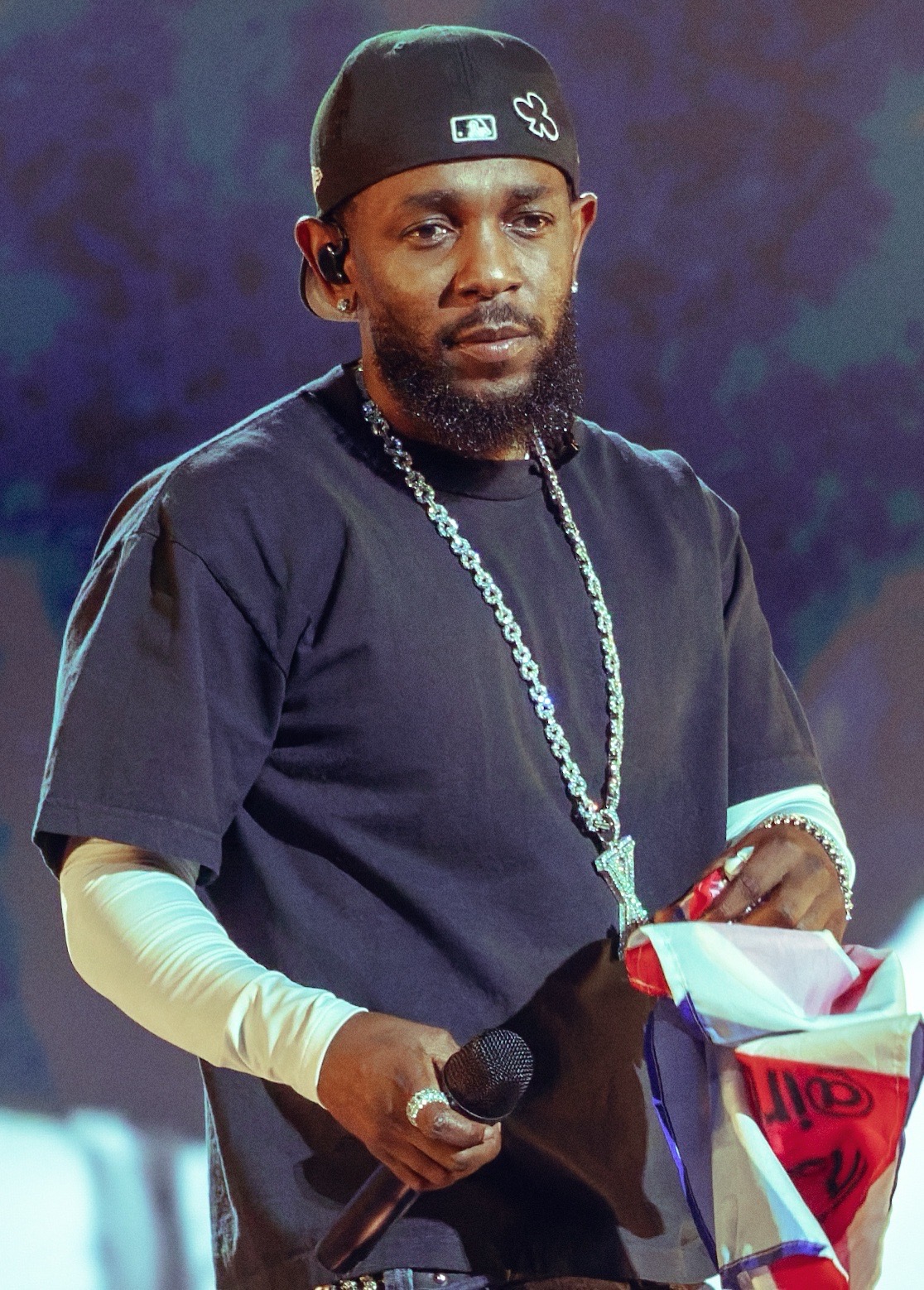
Rapper and songwriter; co-founder, pgLang · b. 1987 · Compton, California
Two calls made by hand, not formulas. how we score →
Summary
He grew up on Section 8 housing and food stamps in Compton, the son of a former gang member and a hairdresser, and got his start because a friend happened to be fixing a local label owner's computer.
At eighteen, with no money of his own, he bought a stake in that label instead of just signing to it, then spent two decades pulling his catalog fully under a company he owns outright.
How it happened
Kendrick Lamar Duckworth was born June 17, 1987, in Compton, California. His parents, Kenneth "Kenny" Duckworth and Paula Oliver, were teenagers from Chicago's South Side who moved to Compton in 1984 because of his father's affiliation with the Gangster Disciples. The family lived in Section 8 housing, relied on welfare and food stamps, and went through periods of homelessness. He was not a gang member himself but grew up around Westside Piru affiliates, and at five he watched a teenage drug dealer get shot in a drive-by.
Two teachers noticed him early: a first-grade teacher who heard him use the word "audacity" correctly and told him to write, and a seventh-grade English teacher who taught poetry through hip-hop during a period of racial tension at his school. None of that stopped tenth grade from pulling him toward the neighborhood's gang culture, health scares and police encounters included, until his father staged an intervention that got him out. He graduated Centennial High School in 2005 as a straight-A student.
A high school friend, Dave Free, was working as a computer repair technician when he ended up fixing a machine belonging to Anthony "Top Dawg" Tiffith, who ran a small independent label out of Carson. Free played him Lamar's mixtapes; Lamar auditioned by freestyling for two hours. TDE signed him in 2005 as its first artist alongside Jay Rock, and rather than sign purely as talent, he bought a minority stake in the label itself for an undisclosed amount. He had no capital of his own to speak of at eighteen. What he had was a seat at the table before he had a hit record.
Section.80 (2011) sold modestly but caught Dr. Dre's attention through a YouTube video, and in 2012 TDE entered a joint venture that put Lamar on Aftermath and Interscope while TDE stayed his primary label. Good Kid, M.A.A.D City (2012) became the longest-charting hip-hop album on the Billboard 200. To Pimp a Butterfly (2015) gave him his first number one, and DAMN. (2017) won the Pulitzer Prize for Music in 2018, a first for anyone outside classical or jazz.
He and Free founded pgLang in 2020, describing it as neither a label nor a studio but something meant to hold music, film, advertising and fashion work under one roof. Mr. Morale & the Big Steppers (2022) was his last album under TDE. He then quietly left Aftermath and signed a direct licensing deal with Interscope as distributor rather than label. By GNX (2024), the copyright notice changed from "Kendrick Lamar under exclusive license to Interscope" to "pgLang under exclusive license to Interscope" — his own company, not a major label, now holds the rights.
Twenty-seven Grammys, the most of any rapper. A Super Bowl LIX halftime show in February 2025 that drew the largest audience in the format's history. Forbes credited him with $109 million in earnings for 2025, mostly touring and endorsements; aggregator estimates put his net worth near $200 million. pgLang now runs a Paramount film deal, a Chanel collaboration, and an angel stake in the music-tech startup EngineEars, the same equity habit he started with at eighteen, now applied across several industries instead of one label.
The coded evidence
Thirteen groups, every claim sourcedDescendant
Both parents were African-American and from Chicago's South Side; the family relocated to Compton in 1984, a domestic move rather than an immigration event.
↗ billboard.comNo fallback beyond the family's own Section 8 apartment. The household relied on welfare and food stamps and went through periods of homelessness during his childhood — the family home was already the floor, not a cushion above one.
↗ newyorker.comHis mother worked as a hairdresser; his father's occupation as an adult isn't documented in the sources reviewed beyond his earlier gang affiliation in Chicago. Once signed to TDE at 18 in 2005, the label itself became his income floor rather than his family.
↗ en.wikipedia.orgThe hardship was imposed, not chosen. There was nothing to fall back on.
Imposed by circumstance in childhood, not a chosen austerity against a standing family safety net.
↗ newyorker.comFather Kenneth "Kenny" Duckworth, formerly affiliated with the Gangster Disciples in Chicago before relocating; his later occupation isn't documented. Mother Paula Oliver worked as a hairdresser.
↗ en.wikipedia.orgnot established
No documented case of a parent actively driving him to shows or auditions the way some subjects' families did. What is documented is his father's intervention pulling him out of gang involvement, which cleared the runway for music rather than funding or chauffeuring it directly.
↗ en.wikipedia.orgThe family experienced homelessness at points during his childhood while also relying on Section 8 housing.
↗ newyorker.com3
Ronald E. McNair Elementary, Vanguard Learning Center, then Centennial High School — an ordinary progression rather than documented disruption.
↗ en.wikipedia.orgHas described struggling with depression, survivor's guilt, and suicidal ideation, both during the 2013 Yeezus Tour after learning of three close friends' deaths, and again while recording To Pimp a Butterfly (2015).
Self-declared on-record via interviews and his own lyrics, and active during the years of his rise — a definitive headwind, reflected in the score.
↗ consequence.netCompton, California; Section 8 housing.
↗ newyorker.comPublic schools throughout — Ronald E. McNair Elementary, Vanguard Learning Center, Centennial High School.
↗ en.wikipedia.orgHis parents, then teenagers, moved from Chicago's South Side to Compton in 1984, three years before he was born, because of his father's affiliation with the Gangster Disciples.
↗ billboard.comGang violence witnessed as a child, the 1992 Los Angeles riots, and police contact in Compton became the direct subject matter of Good Kid, M.A.A.D City, To Pimp a Butterfly, and DAMN. rather than material he worked around.
↗ en.wikipedia.orgDave Free, a high school friend working as a computer repair technician, introduced Anthony "Top Dawg" Tiffith to Lamar's mixtapes while fixing Tiffith's computer.
↗ forbes.comTop Dawg Entertainment, an independent Carson, California label founded the year before he signed, gave him an artistic home before any major label was involved. The 2012 Aftermath/Interscope joint venture then supplied major-label reach while TDE stayed primary.
↗ en.wikipedia.orgCredibility, Network
TDE supplied studio access, mentorship, and later major-label reach through Dre; no evidence it supplied him personal capital.
↗ en.wikipedia.orgThe introduction came through a personal friendship and a repair job, not an industry channel; he then had to freestyle for two hours in front of Tiffith and executive Terrence "Punch" Henderson to earn the deal.
↗ billboard.comBuilt a local and mixtape-circuit following as "K.Dot" from 2004 to 2010 before the major-label era began — modest, but a real base rather than a cold start.
↗ en.wikipedia.orgMentored inside TDE by Tiffith and Punch Henderson, then by Dr. Dre after the 2012 Aftermath deal, who has said he learned from watching Dre's mistakes.
↗ en.wikipedia.orgNo college. Graduated Centennial High School in 2005 as a straight-A student; considered studying psychology and astronomy but chose music instead.
↗ en.wikipedia.orgUpon signing with TDE in 2005 at 18, he purchased a minority stake in the label itself for an undisclosed amount — an unusual move for a first-time signee with no capital of his own. How the purchase was financed isn't disclosed in the sources reviewed.
↗ billboard.comWent from minority shareholder of TDE (2005) to an Aftermath/Interscope joint-venture artist (2012) to, by 2024, full ownership: he quietly left Aftermath, signed a direct licensing deal with Interscope as distributor, and on GNX the copyright notice changed from "Kendrick Lamar under exclusive license to Interscope" to "pgLang under exclusive license to Interscope" — his own company, not a label, now holds the copyright on his post-2024 work.
The renegotiation is documented in the album's own copyright metadata as reported by Wikipedia editors; a primary contract has not been independently reviewed here.
↗ en.wikipedia.orgpgLang, co-owned with Dave Free, functions as an owned production and creative company across music, film, and advertising rather than Lamar working purely as hired talent inside someone else's label.
↗ en.wikipedia.orgpgLang grew directly out of his and Dave Free's existing partnership and TDE experience, where Free had served as co-president, rather than from an externally commissioned concept.
↗ en.wikipedia.org3
Through pgLang: film and television (Paramount deal with Matt Stone and Trey Parker), fashion (Chanel Spring/Summer 2024 couture score and stage design, ongoing work with Martine Rose and Grace Wales Bonner), and an angel stake in the music-tech startup EngineEars, alongside brand-ambassador deals with Nike and American Express that read as fee-for-work rather than equity.
↗ en.wikipedia.orgnot established
No separate failed venture documented. Section.80 (2011), his formal debut album, sold modestly (about 5,000 copies its first week) before Good Kid, M.A.A.D City broke through the following year — a slow build rather than a failure and relaunch.
↗ en.wikipedia.orgTDE financed and released his early mixtapes and debut album; he brought no capital of his own to the venture.
↗ en.wikipedia.orgBroke through as hip-hop's commercial center shifted toward more lyrically dense, socially engaged work in the early-to-mid 2010s, and as streaming was beginning to restructure how albums were consumed and monetized.
↗ en.wikipedia.orgBuilt. No acquired asset or existing platform; TDE itself was a small independent label he joined at its start and later helped grow.
↗ en.wikipedia.orgHip-hop music and multidisciplinary creative production
↗ en.wikipedia.org200000000
Aggregator estimate with no disclosed methodology; treat as a wide band, not a point figure. No net-worth figure is published on forbes.com/profile/kendrick-lamar — that page tracks annual earnings instead (see peakAnnualIncome).
↗ celebritynetworth.comAggregator
↗ celebritynetworth.com109000000
Forbes' 2025 highest-paid-musicians figure, covering a scoring period that included 36 shows co-headlining TDE's The Championship tour plus publishing and endorsement income (Nike, American Express). Labeled by Forbes as earnings, not net worth.
↗ forbes.comJournalistic estimate
↗ forbes.comStill overwhelmingly income — touring, publishing, and endorsement fees — rather than realized wealth from owned equity. pgLang holds appreciating rights and a growing slate of deals, but its value isn't publicly disclosed.
↗ forbes.comPulitzer Prize for Music (2018), first for a work outside classical or jazz; 27 Grammy Awards, the most of any rapper; Super Bowl LIX halftime show (February 2025), the most-watched in the format's history.
↗ en.wikipedia.orgUncapped
Was effectively capped by fee-and-royalty structures through the TDE and Aftermath years; became uncapped once pgLang began holding copyright and building equity stakes across industries from 2020 on.
↗ en.wikipedia.orgVisionary, Introspective, Conscious, Uncompromising
↗ en.wikipedia.orgPublic
↗ en.wikipedia.orgBefore
The reputation for lyrical depth and social conscience formed with Section.80 and Good Kid, M.A.A.D City, before the wider fame that followed.
↗ en.wikipedia.orgAsset
↗ en.wikipedia.orgWidely celebrated across critical and industry channels (Pulitzer, record Grammy total), while a public feud with Drake beginning in 2013 and escalating sharply in 2024 split some listeners along loyalty lines even as "Not Like Us" itself won Record and Song of the Year in 2025.
↗ en.wikipedia.orgStructural context
The cost-of-failure score comes from this person's own money and circumstances. But who they were in America carried its own weight, the same way their household or income did, and it shaped how hard the path was just as much. That part isn't in the cost-of-failure number. It's here instead.
Men hold most of the ownership and gatekeeping across the creative and media industries, the default that recognition and deals flow toward.
↗ assets.uscannenberg.orgIn the creative and media industries, recognition comes far more easily to underrepresented creators than the ownership it should turn into. Among 2023's top-grossing film directors, for one measure, eight were Black.
↗ assets.uscannenberg.orgAmong the people recorded here — men: 115 · Black subjects: 58. Representation here is who reached these outcomes, not equal odds of reaching them.
Controlled comparisons
Each holds one thing constant and varies another, so the difference is the point. A list of similar names wouldn't tell you anything.