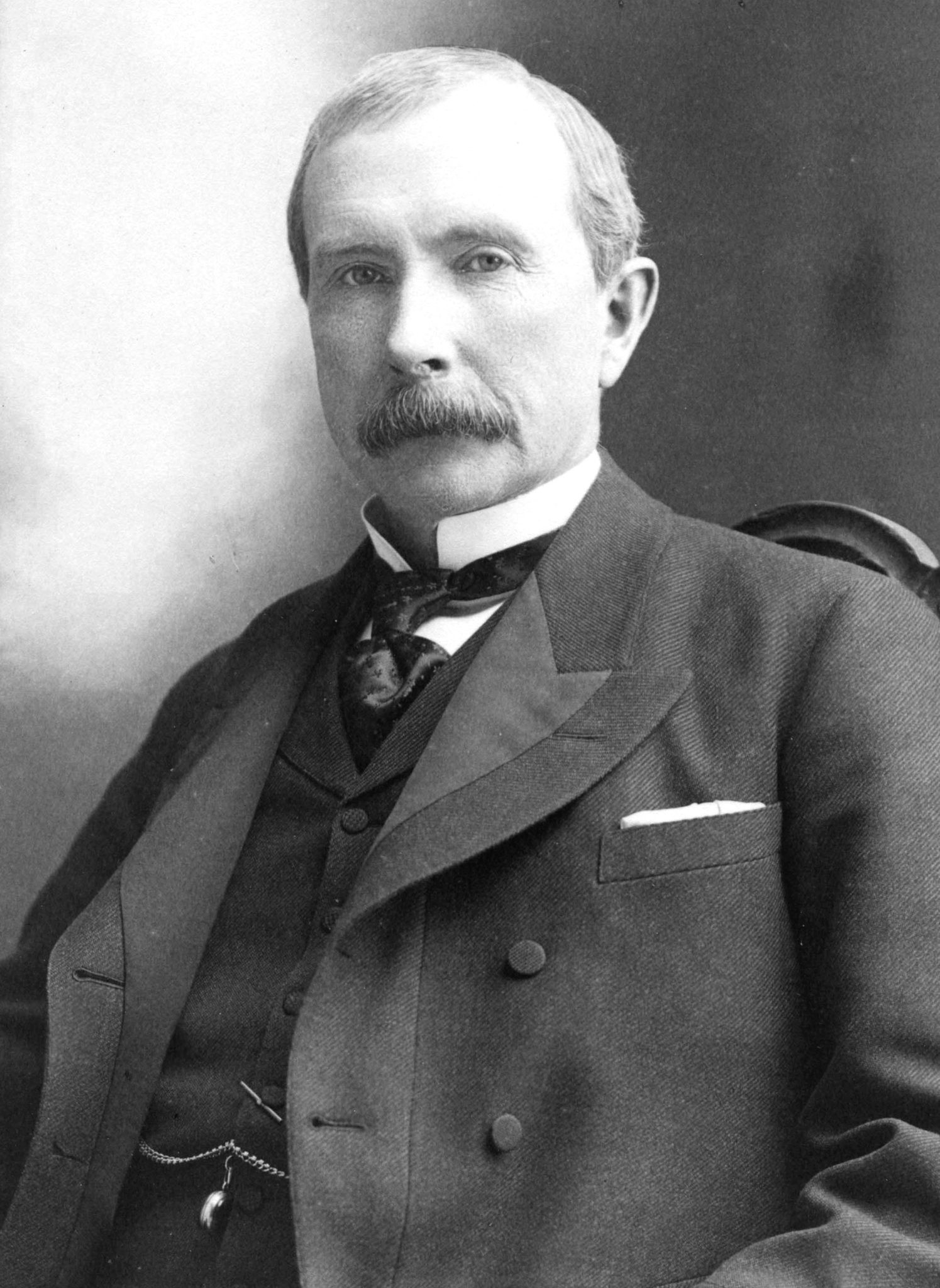
Kevin Plank
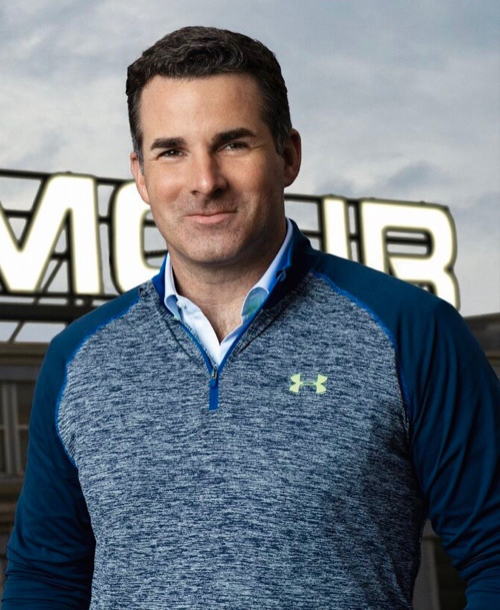
Founder and CEO, Under Armour · b. 1972 · Kensington, Maryland
Two calls made by hand, not formulas. how we score →
Summary
A mayor's son from a comfortable Maryland family, he walked onto Maryland's football team and ran side businesses, since NCAA rules barred scholarship athletes from jobs.
He founded Under Armour in 1996 on $20,000 in savings and $40,000 in credit-card debt, selling into a locker-room network he already had. He kept voting control at the 2005 IPO; his fortune has since swung hard.
How it happened
Born in Kensington, Maryland in 1972, the youngest of five brothers. His mother, Jayne Plank, served as mayor of Kensington and later directed the Office of Legislative and Intergovernmental Affairs at the State Department; his father, William Plank, worked in land development. He was asked to leave Georgetown Preparatory School over academics and behavior, graduated St. John's College High School in 1990, then spent a year at Fork Union Military Academy playing postgraduate football.
He walked onto the University of Maryland football team without a scholarship, playing special teams and earning one, by his own later account, after his sophomore year. As a teenager he'd already sold bootleg concert T-shirts and Grateful Dead bracelets with his brothers; in college he ran Cupid's Valentine, a Valentine's Day rose business. Part of the logic, he has said, was structural: NCAA rules barred scholarship athletes from holding outside jobs, but nothing stopped a walk-on from running a business.
He founded Under Armour in September 1996, working out of his grandmother's townhouse in Georgetown, Washington, D.C. By his own account he had about $20,000 in savings when he started and ran up nearly $40,000 in debt spread across five credit cards. The first sale came through the Georgia Tech equipment room; word spread through a network of college and NFL players he already knew from high school and college ball, and equipment managers began calling him directly. By the summer of 1997 he was broke enough to ask his mother to cook him dinner.
Growth ran on locker-room word of mouth rather than an ad budget: sample one player, and the next one on the equipment rack wants it too. A $25,000 ESPN Magazine ad in 1999 drove $1 million in direct sales the following year. Under Armour went public on NASDAQ in November 2005, raising $153 million, on a dual-class structure that let Plank keep outsized voting control. Revenue passed $1 billion in 2010, and Plank became a billionaire in 2011.
Under Armour drew sustained trouble in the years that followed: a 2018 Wall Street Journal report on a workplace culture that included company-expensed strip-club visits; a 2017 shareholder suit alleging inflated revenue; and a May 2021 SEC order finding the company had misled investors by "pulling forward" $408 million in orders across six quarters, settled for a $9 million corporate penalty with no personal charges against Plank despite an earlier Wells Notice naming him. He stepped down as CEO in 2019, returned in April 2024, and as of the 2026 proxy still controlled 64.6% of the vote through Class A and B stock while holding a much smaller slice of the economic value. His net worth has fallen from a 2015 peak, when he ranked 145th on the Forbes 400, to about $1.1 billion.
The coded evidence
Thirteen groups, every claim sourcedDescendant. No immigration event documented in the sources reviewed.
↗ en.wikipedia.orgConsistent with attending Georgetown Preparatory School and St. John's College High School, both Catholic institutions; denomination-level practice within the family isn't independently documented.
↗ en.wikipedia.orgEnglish
Inferred from a US-born family in the Washington, D.C. suburbs; not explicitly stated in any source reviewed.
↗ en.wikipedia.orgHis grandmother's townhouse in Georgetown, Washington, D.C. gave him free space to launch the business from, and the family home in Kensington, Maryland remained available; there's no indication he needed to fall back on it beyond the food support described below.
↗ inc.comNone beyond family food support. He held no salaried job after graduating in 1996; by the summer of 1997 his savings and credit were exhausted and he was, in his own words, "totally broke," relying on his mother to cook for him.
↗ inc.com0
Married Desiree Guerzon in 2003, seven years after founding the company; unmarried and without children at the 1996 start.
↗ en.wikipedia.orgRoughly $40,000 in personal credit-card debt spread across five cards, taken on specifically to fund the company in its first year. Dischargeable consumer debt rather than medical, student, or legal debt, and self-imposed rather than inherited.
↗ inc.comFood insecurity rather than housing instability: by summer 1997 he was broke enough to need his mother to feed him. No homelessness or housing loss is documented; the family home remained a backstop.
↗ inc.comThe hardship was chosen. There was a home to go back to if it failed.
The poverty in 1997 was real, but a comfortable, connected two-parent family stood behind it: his mother fed him, and nothing in the record suggests the family home or the credit-card debt would have destroyed the household if the business had failed. Applying the schema's own test, five more years of this would most plausibly have ended with him moving back in with his parents, not on the street.
↗ inc.comFather William Plank worked in land development. Mother Jayne (Harper) Plank served as mayor of Kensington, Maryland and later directed the Office of Legislative and Intergovernmental Affairs at the U.S. State Department under President Reagan.
↗ en.wikipedia.orgnot established
"Land developer" could describe independent or salaried work; not established either way in the sources reviewed.
↗ en.wikipedia.org4
Youngest of five brothers. Two are named in his own account of his teenage business ventures: Scott, later a Under Armour executive who left the company in 2012, and Colin, a writer.
↗ en.wikipedia.orgNo record of the family blocking his early hustling; his mother fed him when he was broke rather than pushing him toward a safer path. A University of Maryland strength coach, by contrast, told him to stop worrying about "business crap" and focus on football, advice he ignored.
↗ inc.com3
Asked to leave Georgetown Preparatory School over academics and behavior, transferred to St. John's College High School (graduated 1990), then spent a postgraduate year at Fork Union Military Academy before college.
↗ en.wikipedia.orgKensington, Maryland, a comfortable Washington, D.C. suburb.
↗ en.wikipedia.orgGeorgetown Preparatory School (elite private, left before graduating), then St. John's College High School (Catholic private, Washington, D.C.), then a postgraduate year at Fork Union Military Academy (Virginia) for football.
↗ en.wikipedia.orgDomestic moves only: Kensington, Maryland through childhood; Virginia for a postgraduate football year; College Park, Maryland for university; Georgetown, Washington, D.C. to found the company; Baltimore, Maryland as Under Armour's headquarters; currently Lutherville-Timonium, Maryland.
↗ en.wikipedia.orgA mix of institutional and personal-network access: the first sale came through the Georgia Tech equipment room in 1996, and early growth ran through college and NFL players he already knew personally from high school and college football, including Jermaine Lewis, Frank Wychek, and Eddie George.
↗ inc.comMailed product samples directly to former teammates and players he knew from high school and college, asking them to try the shirts and, if they liked them, to push their equipment manager to place an order. Equipment managers at Georgia Tech, then the Atlanta Falcons and Arizona State, began calling him directly once word spread.
↗ inc.com0
Founded the company the same year he graduated from Maryland, with no intervening job.
↗ en.wikipedia.orgNot a public audience, but a built-in customer network: a roster of college and NFL-bound players he already had personal relationships with from his own football career, reachable without a cold pitch.
↗ inc.comA locker-room growth loop that needed no ad spend in the early years: one player wears the shirt, the player in the next locker asks about it, and within days he's asking to try it too. Plank has described this mechanic directly as the core of the company's early distribution.
↗ inc.comBA, business administration, University of Maryland, 1996. He walked onto the football team as a freshman without an athletic scholarship and, by his own account in a 2016 commencement speech, earned one as a special-teams standout starting his junior year.
A Forbes profile blurb separately describes an MBA from the University of Maryland's Robert H. Smith School of Business; no other source reviewed, including the Smith School's own alumni coverage of him as "Kevin Plank '96," corroborates a graduate degree, and his standard biography is consistently a single undergraduate degree. Treated as unconfirmed and likely an error in that specific source.
↗ en.wikipedia.orgnot established
Tuition financing isn't independently established. He held a football scholarship for at least his final two or three seasons; how the earlier years and non-athletic costs were covered isn't documented in the sources reviewed, though the family is consistently described as comfortable.
↗ en.wikipedia.orgRan Cupid's Valentine, a Valentine's Day rose-selling business, and other side ventures throughout college rather than holding a job. As a scholarship athlete he would have been barred by NCAA rules from outside employment; running his own business wasn't covered by that restriction.
↗ en.wikipedia.orgDirect. Public high school and a military-academy postgraduate football year to a state university, no transfer.
↗ en.wikipedia.orgAbout $20,000 in personal savings, accumulated through college-era side businesses including Cupid's Valentine, in the bank when he founded Under Armour in September 1996.
Different retellings describe the flower business itself as having earned anywhere from about $3,000 to $17,000; the $20,000 total savings-at-founding figure and the $40,000 credit-card figure come directly from Plank's own 2003 first-person account and are the most specific and consistent numbers across sources.
↗ inc.comIt paid its own way from the start. Revenue came before any outside money.
"He had no investors," per his own account of the founding.
↗ inc.comGrew for nine years on reinvested revenue with no outside equity, then went public on NASDAQ in November 2005, raising $153 million. The company has since run a dual-class structure: Class A stock (one vote per share, publicly traded), Class B stock (ten votes per share, held entirely by Plank), and non-voting Class C stock. As of the July 2026 proxy, 188,839,506 Class A shares and 34,450,000 Class B shares were outstanding.
↗ sec.govPersonal experience as a special-teams player: frustration that cotton T-shirts stayed heavy with sweat during games and practices led him to seek a synthetic fabric, similar to material already used in women's undergarments, that would wick moisture instead of holding it.
↗ forbes.comAs of the July 2026 proxy, Plank holds 181,608 Class A shares personally plus all 34,450,000 outstanding Class B shares through entities he controls (his wife has voting control over most of the Class B-holding LLCs) — together 15.5% of combined Class A/B shares outstanding — plus 18,346,798 shares, 8.8%, of the non-voting Class C stock. Because Class B carries ten votes to Class A's one and Class C carries none, this combination gives him 64.6% of total voting power on a small fraction of the company's economic value.
↗ sec.govMaxed five personal credit cards, going to nearly $40,000 in debt, to keep the company funded through its first year before revenue caught up. This is consumer credit spent as founding capital, not a family loan or outside investment.
↗ inc.comnot established
No documented rejection events; by his own account he had no investors because he didn't seek any at the outset, not because he was turned down.
↗ inc.com0
Under Armour was his first serious venture. Earlier teenage ventures — reselling Grateful Dead bracelets, bootlegging concert T-shirts — were informal and short-lived rather than failed businesses.
↗ inc.comSelf, through five maxed personal credit cards. When that ran out in summer 1997, the cost of his continued survival was absorbed by his mother in the form of food rather than by any further financing of the business.
↗ inc.comMid-1990s performance apparel was still a niche layer beneath the dominant athletic-shoe brands; moisture-wicking synthetic fabric for mainstream football gear was not yet standard, leaving room for a focused entrant that the major shoe companies hadn't yet moved to cover.
↗ en.wikipedia.orgBaltimore, Maryland, where the company had relocated its headquarters by the time of the 2005 IPO.
↗ en.wikipedia.orgBuilt. Created a new product and brand rather than acquiring an existing one.
↗ en.wikipedia.org30
1996 founding to 2026. Not fully uninterrupted: he stepped down as CEO in 2019, stayed on as Executive Chair and Brand Chief through March 2024, then returned as CEO in April 2024 rather than running the company continuously start to finish.
↗ en.wikipedia.orgAthletic and performance apparel
↗ en.wikipedia.orgPublic equity
Predominantly his Under Armour stock holdings; Forbes' methodology may also fold in other assets such as Sagamore Farm and his real-estate ventures.
↗ forbes.com2026
↗ forbes.com11597975
Total compensation for fiscal year 2026 (salary, bonus, equity awards, incentive pay, and other compensation) per the Summary Compensation Table, the highest of the three fiscal years disclosed in that filing. Earlier-career peak income, including any years before he first stepped down as CEO in 2019, isn't independently established here.
↗ sec.govProxy statement
↗ sec.govA mix: heavily concentrated ownership wealth in Under Armour stock across three share classes, plus a large annual equity-based executive compensation package as CEO. In the same fiscal year 2026 that his total compensation reached $11.6 million, the company posted a $495 million net loss.
↗ inc.comSporting Goods Industry Hall of Fame (2017); Fast Company's Most Creative People in Business (2017); Forbes' list of America's Most Powerful CEOs 40 and Under (2013); large gifts to the University of Maryland (about $25 million) and his high school alma mater, St. John's College High School (about $16 million).
↗ en.wikipedia.orgUncapped
↗ forbes.comIn July 2020, Plank personally, along with Under Armour and its then CFO, received Wells Notices from the SEC over accounting practices in 2015-2016. In May 2021, the SEC issued a formal order finding that Under Armour had "pulled forward" a total of $408 million in orders customers had asked to be shipped in future quarters, across six consecutive quarters starting in Q3 2015, and had misleadingly attributed the resulting revenue growth to other factors without disclosing the practice or its risks. The company settled, without admitting or denying the findings, for a $9 million penalty. No individual charges were brought against Plank in that order.
↗ sec.govA 2017 shareholder securities class action alleged Under Armour had artificially inflated its share price; the underlying conduct overlaps with the SEC's later pull-forward findings. Separately, 2023 court filings in that litigation showed Plank had given journalist Stephanie Ruhle a dedicated phone for private communication, sent her confidential company financial information, and enlisted her help addressing sales concerns, while she took free trips on his private plane; her role was contested as blurring journalism and informal adviser. The final resolution and any damages in the shareholder suit itself aren't established in the sources reviewed.
↗ en.wikipedia.orgA November 2018 Wall Street Journal investigation, based on accounts from more than a dozen current and former employees and executives, described a workplace culture in which executives including Plank had for years expensed strip-club visits with athletes and clients, and women were invited to a company event partly based on their looks. Under Armour told the press that Plank did not conduct business or use company funds at such venues and that it had "addressed these serious allegations of the past." Separately, Plank's brother Scott Plank, a company executive, left Under Armour in 2012 amid allegations of sexual misconduct; the company described it publicly at the time as a retirement.
↗ cbsnews.comAfter
All documented regulatory and labor matters date to 2018-2021, well after the 1996 founding and the 2005 IPO.
↗ sec.govIncidental
The pull-forward practice inflated apparent revenue growth during 2015-2016, near the peak of Plank's wealth and the company's stock price, but it followed a decade of prior organic growth rather than having produced the founding advantage itself.
↗ sec.govCivil wrong
SEC order cites Sections 17(a)(2) and (3) of the Securities Act, the negligence-based civil antifraud provisions, not the intentional-fraud clause.
↗ sec.govFine absorbed
$9 million corporate penalty; no personal liability or charges against Plank despite the earlier Wells Notice naming him individually.
↗ sec.govAs CEO, oversaw a workplace culture that a 2018 Wall Street Journal investigation found many women at the company experienced as demeaning, including executive-expensed strip-club visits and a company event where women were invited partly for their looks. Under Armour said afterward it would no longer permit such expenses and was committed to a "respectful and inclusive workplace."
↗ cbsnews.comhustler (his own term), Passionate, Competitive, Demanding
"I've always been a hustler," from his own 2003 account; "demanding" reflects characterizations from former employees in the 2018 Wall Street Journal workplace-culture reporting.
↗ inc.comPublic
↗ inc.com12
"More than a dozen current and former employees and executives" spoke to the Wall Street Journal for its 2018 workplace-culture report.
↗ cbsnews.comBefore
The self-made "hustler" narrative was already well established in press coverage by 2003, well before the 2018-2021 controversies.
↗ inc.comMixed
An asset in investor and business-press circles around the self-made founding story; a liability among some former employees and in the 2018-2021 press coverage.
↗ inc.comThe reputation was deliberately built, through books, press, and PR.
He has retold the $20,000-savings, $40,000-debt, grandmother's-basement story himself in press interviews and speeches across at least three decades, from 2003 through 2026.
↗ inc.comA gap between the public "passionate hustler" founding story he has told for decades and the workplace culture more than a dozen former employees described to the Wall Street Journal in 2018, which many women at the company reportedly experienced as demeaning.
↗ cbsnews.comStepped down as CEO in October 2019 amid the accumulated controversies, remained Executive Chair and Brand Chief, then returned as CEO in April 2024 with board support, suggesting a partial rehabilitation even as the company's financial performance continued to struggle.
↗ inc.comStructural context
The cost-of-failure score comes from this person's own money and circumstances. But who they were in America carried its own weight, the same way their household or income did, and it shaped how hard the path was just as much. That part isn't in the cost-of-failure number. It's here instead.
Men founded the companies that took nearly all the venture funding and almost every top outcome, a tailwind that never shows up in one person's own circumstances.
↗ techcrunch.comWhite founders are heavily overrepresented among funded companies and top-tier wealth relative to their share of the population, an edge that has nothing to do with a person's own money.
↗ techcrunch.comAmong the people recorded here — men: 169 · White subjects: 114. Representation here is who reached these outcomes, not equal odds of reaching them.
Controlled comparisons
Each holds one thing constant and varies another, so the difference is the point. A list of similar names wouldn't tell you anything.