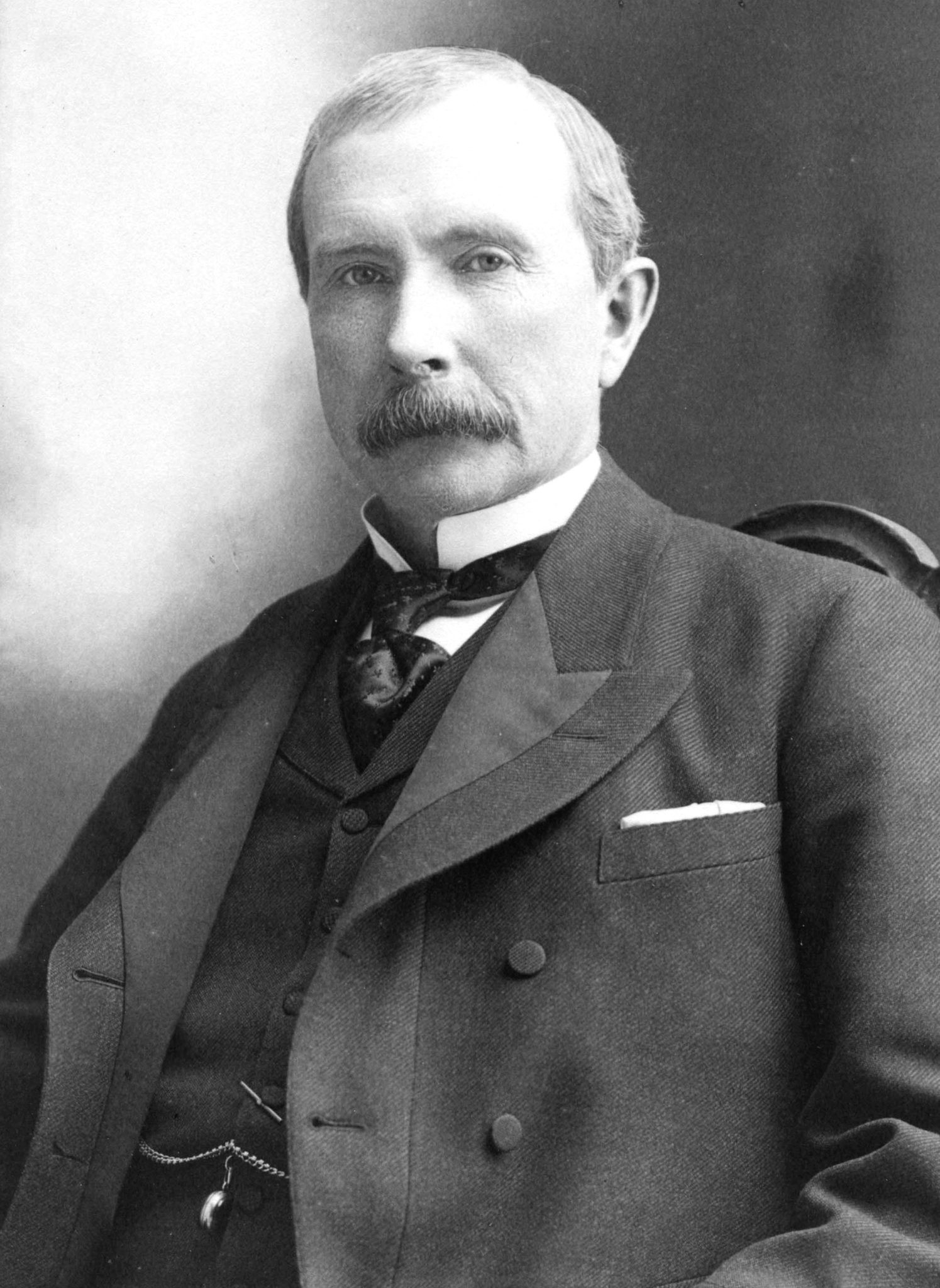
Kiran Mazumdar-Shaw
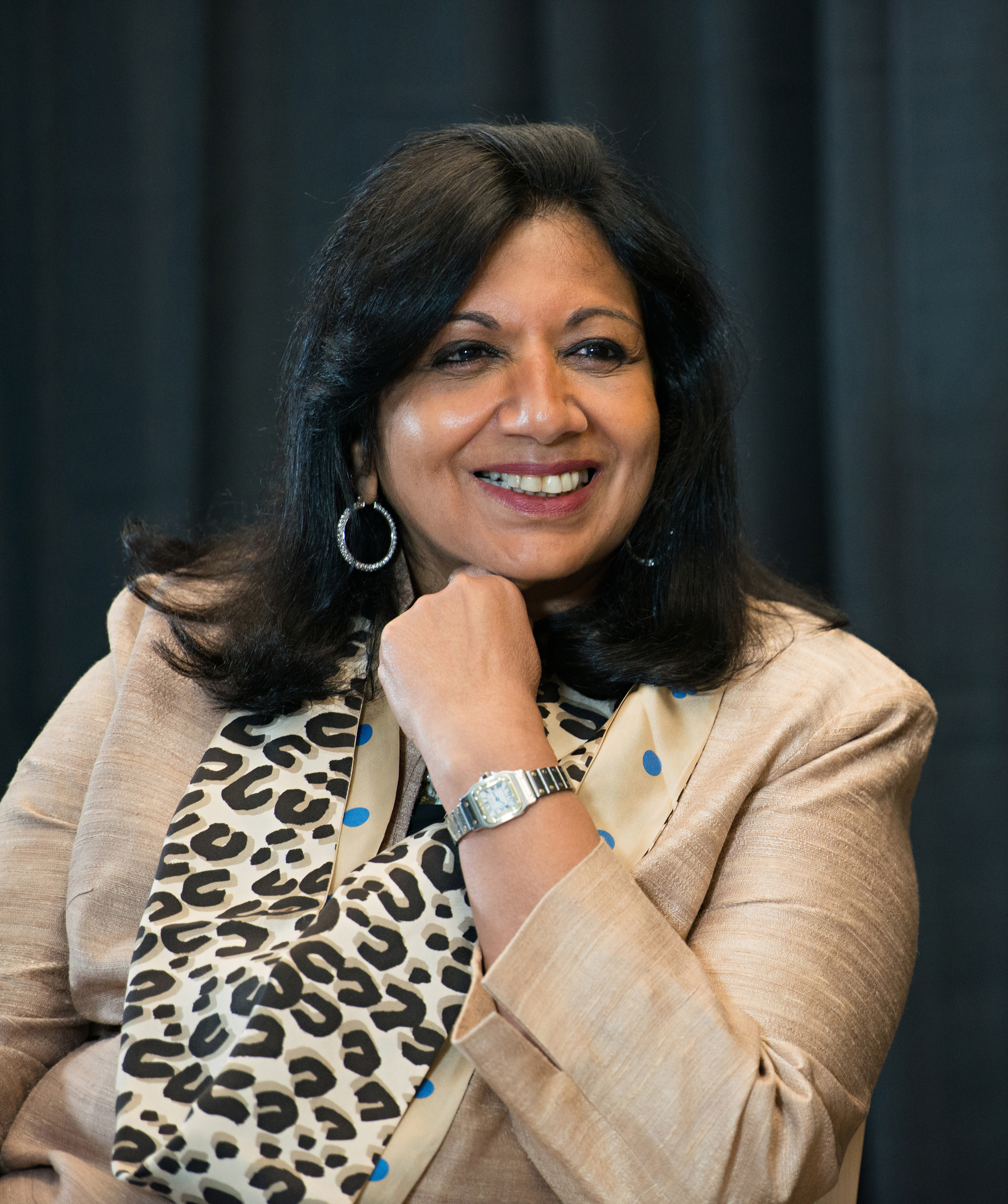
Founder and Executive Chairperson, Biocon · b. 1953 · Bangalore, India
Two calls made by hand, not formulas. how we score →
Summary
Her father ran the brewing floor at one of India's biggest breweries, so she trained as a master brewer in Australia — then no Indian brewery would give a woman the job.
She built Biocon instead, starting in a rented garage on money no bank would lend her. It grew into India's largest biotech company and, decades later, one of the world's biggest makers of affordable biosimilar insulin.
How it happened
Her father, Rasendra Mazumdar, was the head brewmaster at United Breweries, the company behind Kingfisher beer. At his suggestion she studied zoology at Bangalore University, then went to Ballarat College in Australia to train as a master brewer. In 1974 she was the only woman in the program and finished at the top of her class.
She stayed on in Australia for a couple more years, working brewing and malting jobs to build up experience, then came home to India in 1977 expecting to run a fermentation tank somewhere. Every brewery she approached turned her down for the same reason: brewing was considered a man's job, and none of them would hire a woman to do it, degree or not.
A chance meeting with Leslie Auchincloss, an Irish enzyme maker looking for an Indian partner, gave her an opening in an adjacent field instead. In 1978, at 25, she started Biocon India in a rented garage with about ₹10,000 of her own savings and a retired garage mechanic as her first hire. Indian rules capped the Irish partner's stake at 30 percent, so she held majority ownership from day one. Banks would not lend against a business with no assets and no track record, and financing only came together after she met a banker socially, not through the ordinary application process.
Enzymes paid the bills through the 1980s. Unilever bought the business for a stretch, and she and her husband John Shaw bought it back in 1998 for about $2 million, funded partly through his own investment company. In 2007 she sold the enzyme division to Novozymes for $115 million and put the money into biopharmaceuticals. India's patent law at the time protected only manufacturing processes, not the drugs themselves, and Biocon used that opening to start making cheaper versions of expensive biologic drugs, beginning with recombinant human insulin.
Biocon went public in 2004, oversubscribed more than 30 times over, and Mazumdar-Shaw became one of India's first self-made women billionaires. Biocon Biologics, the subsidiary she still controls, now sells biosimilar insulin and cancer drugs at a fraction of the branded price. Forbes puts her fortune at $3.6 billion, and she has pledged to give away at least half of it.
The coded evidence
Thirteen groups, every claim sourcedCoarse public-record coding for site-wide consistency. She was raised and has spent her whole career in India, where race in the US sense is not the operative category; ethnicity and, in her case, gender carry the real signal.
↗ en.wikipedia.orgnot established
Not meaningfully coded. She studied in Australia for four years but returned to India permanently in 1977; the immigrant-generation framework used for diaspora subjects on this site doesn't apply to a subject who is domestic to one country throughout.
↗ en.wikipedia.orgNo salaried floor. She moved directly from a rejected brewery job search into running Biocon India as managing director, funded first by her own savings and then, within about a year, by enzyme export revenue.
↗ forbesindia.comBanks declined to lend to the new venture, citing an unfamiliar field, no assets to secure the loan against, and skepticism toward a young woman running it. Financing came together only after a chance social encounter with a banker, not through the ordinary loan process.
Consistent across several secondary profiles; no single primary interview transcript states it in her own words with this level of detail.
↗ realshepower.inThe hardship was imposed, not chosen. There was nothing to fall back on.
↗ realshepower.inFather Rasendra Mazumdar was head brewmaster at United Breweries in Bangalore. Mother's occupation is not established in the public record.
↗ en.wikipedia.orgNeither parent was self-employed.
Her father was a company employee, not self-employed.
↗ en.wikipedia.orgHer father suggested she study fermentation science and train as a brewmaster, a field with essentially no women in it in India at the time, and the family had the means to send her to Australia for the training. Sanction and the money to make it real arrived together.
↗ en.wikipedia.orgBeing shut out of brewing jobs because she was a woman didn't become a grievance business; it pushed her sideways into an adjacent field, industrial enzymes, that nobody had told her she couldn't enter.
↗ forbesindia.comLeslie Auchincloss, an Irish businessman who ran Biocon Biochemicals in Cork and needed an Indian partner to produce enzymes locally, took her on after their meeting.
↗ en.wikipedia.orgInstitutional. Within about a year Biocon India was exporting enzymes to buyers in the US and Europe, reached through the Irish partner's existing industry contacts rather than cold sales.
↗ en.wikipedia.orgThe joint-venture structure with Biocon Biochemicals (Cork, Ireland) functioned as her platform: it supplied enzyme-fermentation technology and an export brand she could not have built alone at 25.
↗ en.wikipedia.orgCredibility, Network, Idea
The JV partner supplied the enzyme know-how, an export brand, and existing buyer relationships. It did not supply cash; the seed capital was her own.
↗ en.wikipedia.orgThe financing that got Biocon off the ground came from a banker she happened to meet socially, after the standard loan-application route had already failed her.
↗ en.wikipedia.orgLeslie Auchincloss, functionally a co-founder through the joint venture though structured as a foreign licensing partner rather than an operating partner on the ground in Bangalore.
↗ en.wikipedia.orgB.Sc. in zoology, Bangalore University (1973); master brewer training, Ballarat College, University of Melbourne, Australia (1975), where she was the only woman in her cohort and finished top of the class.
Coded as "graduate degree" and credentialFunding "family-funded": the Australia training is postgraduate-level and her father, a salaried brewmaster, is the one who proposed and evidently enabled it. Neither a scholarship nor a loan for it is documented, so the funding source is inferred from context rather than stated outright.
↗ en.wikipedia.orgCertified master brewer, a portable, stranger-verifiable credential that nonetheless couldn't get her hired in India because of her gender.
↗ en.wikipedia.orgDirect — a bachelor's degree straight into a specialized postgraduate brewing program abroad.
↗ en.wikipedia.orgAbout ₹10,000 of her own savings from her Australian brewing and malting jobs, to start Biocon India in a rented garage in Bangalore in 1978.
↗ en.wikipedia.orgnot established
No family loan or gift toward the founding is documented; the ₹10,000 start appears to have been entirely her own prior wage savings, coded accordingly as originCapital "wage-savings" rather than "family-and-angels."
↗ en.wikipedia.orgIt paid its own way from the start. Revenue came before any outside money.
Enzyme exports to the US and Europe began within about a year of founding.
↗ en.wikipedia.orgNone. The absence of any asset to secure a loan against is cited directly as one reason banks turned her down.
↗ realshepower.in$250,000 from ICICI Ventures, arranged by banker Narayanan Vaghul in 1987 — the first institutional capital the company took, nearly a decade after founding.
↗ en.wikipedia.orgLeslie Auchincloss functioned closer to an operator-angel than a passive investor: he supplied the enzyme technology and export relationships that a cash check alone wouldn't have provided.
↗ en.wikipedia.orgForeign-ownership rules of the era capped the Irish partner's stake at 30 percent, giving her majority ownership from the start. Unilever later acquired the enzyme business; she and her husband John Shaw bought back Unilever's stake in 1998 for roughly $2 million, funded partly through his own investment vehicle. She sold the enzyme division to Novozymes for $115 million in 2007 and redirected the proceeds into biopharmaceuticals. Biocon Ltd went public in 2004; she still controls the private subsidiary Biocon Biologics, which now accounts for roughly 55 percent of group revenue.
↗ forbesindia.comPut the Novozymes sale proceeds and the 2004 IPO capital into biopharmaceutical R&D and insulin manufacturing rather than personal consumption.
↗ forbesindia.comPersonal experience redirected by circumstance: shut out of the field she trained for, she moved into an adjacent one through the joint venture rather than through a market gap she went looking for.
↗ forbesindia.comRetains majority control of Biocon Biologics, the larger and faster growing part of the business, even though parent company Biocon Ltd itself is publicly traded and her economic stake in it is a minority one.
↗ forbes.comMultiple banks declined to lend, citing the unfamiliar field, the lack of collateral, and skepticism toward a woman-led venture. Financing eventually came from a personal introduction rather than the standard underwriting process.
↗ realshepower.in0
One continuous venture since 1978, restructured and expanded repeatedly rather than abandoned and restarted.
↗ en.wikipedia.orgSelf, from her own savings. Profitability arrived fast enough that no one else had to carry a failure.
↗ en.wikipedia.orgRoughly a year — enzyme export revenue began that quickly, so there was little runway to burn.
↗ en.wikipedia.org1970s Indian foreign-investment rules that capped a foreign partner's equity at 30 percent, which is what handed her majority ownership rather than any negotiating leverage of her own.
↗ en.wikipedia.orgBiocon's later biosimilars strategy grew inside India's pre-2005 patent regime, which protected only a drug's manufacturing process, not the drug itself, so domestic firms could legally produce lower-cost versions of on-patent biologics. India moved to product-patent protection in 2005 to comply with the WTO's TRIPS agreement, closing that specific window, by which point Biocon had already built the manufacturing scale and regulatory pathway to compete as an approved biosimilar maker under the new rules.
↗ forbes.comBuilt. A rented garage and an enzyme licensing deal grew into a global biopharmaceutical company.
↗ en.wikipedia.orgBiotechnology and pharmaceuticals
↗ forbes.com3600000000
Forbes real-time estimate as of 25 Aug 2026. A 2025 Forbes feature placed her closer to $3.2 billion and Wikipedia cites $3.42 billion for 2025; treat as a band, not a precise figure.
↗ forbes.comPublic equity
Largely derived from her disclosed stake in publicly traded Biocon Ltd, plus a valuation of her majority holding in the private Biocon Biologics subsidiary, which is not itself a filing.
↗ forbes.com2026
↗ forbes.comWealth in an appreciating, largely public equity stake plus a majority-controlled private subsidiary, not primarily a salary.
↗ forbes.comPadma Shri (1989) and Padma Bhushan (2005), two of India's highest civilian honors; the Othmer Gold Medal (2014); EY World Entrepreneur of the Year (2020); a spot on the TIME 100 (2010); first woman to chair the board of IIM Bangalore (2014); and the first Indian woman elected to the US National Academy of Engineering (2019).
↗ en.wikipedia.orgUncapped
↗ forbes.comPioneering, Resourceful, Mission driven
↗ forbes.comPress
↗ forbes.comAsset
↗ forbes.comThe reputation accrued from behaviour rather than being manufactured.
Reputation reads as accrued from four decades of running the company rather than built through a PR or media campaign.
↗ forbes.comStructural context
The cost-of-failure score comes from this person's own money and circumstances. But who they were in America carried its own weight, the same way their household or income did, and it shaped how hard the path was just as much. That part isn't in the cost-of-failure number. It's here instead.
Startups founded only by women have drawn about 2% of US venture capital, a share that has barely moved in a decade. Raising money as a woman was harder than any one record shows.
↗ techcrunch.comAmong the people recorded here — women: 54 · South Asian subjects: 1. Representation here is who reached these outcomes, not equal odds of reaching them.
Controlled comparisons
Each holds one thing constant and varies another, so the difference is the point. A list of similar names wouldn't tell you anything.