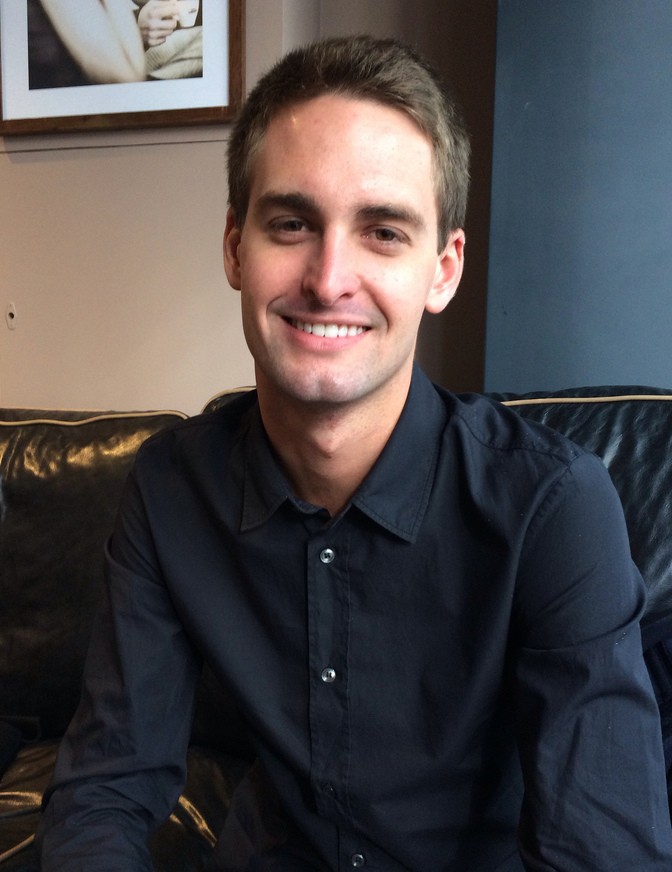
Leon Black
Co-founder of Apollo Global Management, the private-equity and credit firm; former CEO and chairman; art collector and owner of Phaidon Press · b. 1951 · New York, New York
Two calls made by hand, not formulas. how we score →
Summary
The son of a United Brands chairman, he went from Harvard Business School to Drexel Burnham Lambert, where he ran mergers and acquisitions.
When Drexel collapsed in 1990 he co-founded Apollo with three colleagues, and the first fund reportedly drew about $400 million in commitments. Forbes puts him at $14.2 billion.
Where they worked
How it happened
Black was born in 1951. According to Wikipedia, his father, Eli Black, was a Polish-born businessman who became chairman of United Brands, and his mother, Shirley Lubell, was an artist. The sources consulted don't give the family's finances, so how much money reached him early is not established. The coding here treats a chairman's household as a comfortable one.
He took a degree in philosophy and history at Dartmouth in 1973 and an MBA at Harvard Business School in 1975. Who paid for either isn't established in the sources consulted. After school he worked as an accountant at Peat Marwick and at Boardroom Reports. Wikipedia says Lehman Brothers turned him down after an interview.
From 1977 to 1990 he worked at Drexel Burnham Lambert and rose to head its mergers and acquisitions group. Wikipedia places him alongside Michael Milken, the junk-bond financier, during the 1980s buyout boom. What he earned there isn't documented in the sources consulted, though a Drexel managing director's pay was substantial.
Drexel filed for bankruptcy in 1990, and that year Black co-founded Apollo with Marc Rowan, Josh Harris and Antony Ressler, all fellow Drexel bankers. Within about six months the firm launched Apollo Investment Fund I. Wikipedia reports it raised roughly $400 million in commitments, helped by Black's standing from the Milken years. That money came from outside investors; how much of the founders' own savings went in isn't established. The firm bought up distressed debt, including bond holdings from failed institutions and the Executive Life portfolio, and it went on to do leveraged buyouts.
Apollo listed on the New York Stock Exchange on March 29, 2011. Black stayed CEO until January 2021 and, per Apollo's history, left the chairmanship in March 2021, when Rowan took over as CEO. As of 2026 Apollo reports about $1 trillion in assets. In 2012 he bought the art publisher Phaidon Press, and since leaving Apollo he has run his investments through a family office, Elysium Management.
Forbes lists his net worth at $14.2 billion as of October 11, 2026, ranking him 218th and calling him self-made. It says he holds about 9% of Apollo. In February 2024 he sold roughly $172.8 million of Apollo stock, which Wikipedia describes as his first sale since the firm was founded. Bloomberg's index is a little lower at about $13.8 billion.
The coded evidence
Thirteen groups, every claim sourcedPLACEHOLDER FLAG, credentialFunding is coded "none" only because the enum has no "unknown" value; who paid for Dartmouth and Harvard Business School is not established. Hardness 2 and headwinds 0 are inferred from a chairman father and elite schooling, not from a documented family fortune. Ethnicity coded from Wikipedia calling his father a Jewish businessman who emigrated from Poland.
↗ en.wikipedia.orgSecond generation; father emigrated from Poland.
Mother's place of birth was not checked.
↗ en.wikipedia.orgnot established
Not established. Hardness is coded low from a wealthy parental household and well-paid Drexel career, not from a documented fallback.
↗ en.wikipedia.orgThe hardship was imposed, not chosen. There was nothing to fall back on.
No period of scarcity, chosen or imposed, is documented.
↗ en.wikipedia.orgFather chairman of United Brands Company; mother an artist.
↗ en.wikipedia.orgNeither parent was self-employed.
Father was a corporate executive, not an owner-operator, as far as the sources consulted say.
↗ en.wikipedia.orgNew York, New York
Residence in New York is confirmed by Forbes for the present; childhood city is not independently checked.
↗ en.wikipedia.orgThirteen years at Drexel Burnham Lambert, where he headed mergers and acquisitions and worked alongside Michael Milken.
↗ en.wikipedia.orgCredibility, Network, Skill
Coded from Wikipedia saying Fund I leveraged Black's reputation from the Milken-era buyout boom. Capital is not listed because Drexel did not fund Apollo, as far as the sources say.
↗ en.wikipedia.orgMarc Rowan, Josh Harris and Antony Ressler, all former Drexel bankers.
↗ en.wikipedia.org4
Peat Marwick, Boardroom Reports, Drexel, then Apollo. Order of the first two is not established.
↗ en.wikipedia.orgAB in philosophy and history, Dartmouth College, 1973; MBA, Harvard Business School, 1975.
↗ en.wikipedia.orgAccountant's salary at Peat Marwick, then Drexel compensation from 1977.
Pay figures are not given in the sources consulted.
↗ en.wikipedia.orgnot established
How much of the founders' own money went into Apollo is not established. The sources describe the early capital as investor commitments to Fund I.
↗ en.wikipedia.orgApollo Investment Fund I, launched about six months after the 1990 founding, raised approximately $400 million in investor commitments.
↗ en.wikipedia.orgPartnership that managed outside investors' money, then listed on the NYSE on March 29, 2011. Forbes says he holds about 9% of Apollo.
↗ forbes.comApollo's funds, buying distressed debt and running leveraged buyouts.
↗ en.wikipedia.orgBought Phaidon Press in 2012 and runs a family office, Elysium Management, focused on real estate and private equity. Forbes reports he paid $120 million for a version of Edvard Munch's The Scream.
↗ forbes.comnot established
Not established. Drexel's bankruptcy was his employer's failure, not a venture of his own.
↗ en.wikipedia.orgDrexel failed in 1990 as the junk-bond market and savings-and-loan system came apart, leaving distressed assets for sale. Apollo bought bond portfolios from failed institutions.
↗ en.wikipedia.orgPrivate equity and credit
↗ forbes.com14200000000
Forbes real-time figure as of 2026-10-11, rank 218, listed as self-made. Wikipedia cites Bloomberg at about $13.8 billion for 2026. Court filings from 2014-2015 put it near $5 billion at that time.
↗ forbes.comJournalistic estimate
Apollo is public, but Forbes' figure also covers art, real estate and other holdings. SEC filings were not checked.
↗ forbes.com2026
↗ forbes.comMost of the figure is paper value in Apollo stock. Wikipedia reports his February 2024 sale of about $172.8 million, roughly 2% of his holdings, was his first since founding the firm.
↗ en.wikipedia.orgArt collector; Forbes reports he and his wife Debra have given millions to melanoma research and $48 million to Dartmouth College.
↗ forbes.com0
Fund I launched within about six months of the 1990 founding; the point at which his wealth took off is not dated in the sources.
↗ en.wikipedia.orgUncapped
↗ forbes.comStructural context
The cost-of-failure score comes from this person's own money and circumstances. But who they were in America carried its own weight, the same way their household or income did, and it shaped how hard the path was just as much. That part isn't in the cost-of-failure number. It's here instead.
Men founded the companies that took nearly all the venture funding and almost every top outcome, a tailwind that never shows up in one person's own circumstances.
↗ techcrunch.comImmigrants and their children are overrepresented among America's biggest companies, as founders and as senior leaders. They got there through the visa, credential, and network hurdles that make the path harder to even start down.
↗ forbes.comAmong the people recorded here — men: 225. Representation here is who reached these outcomes, not equal odds of reaching them.
Controlled comparisons
Each holds one thing constant and varies another, so the difference is the point. A list of similar names wouldn't tell you anything.