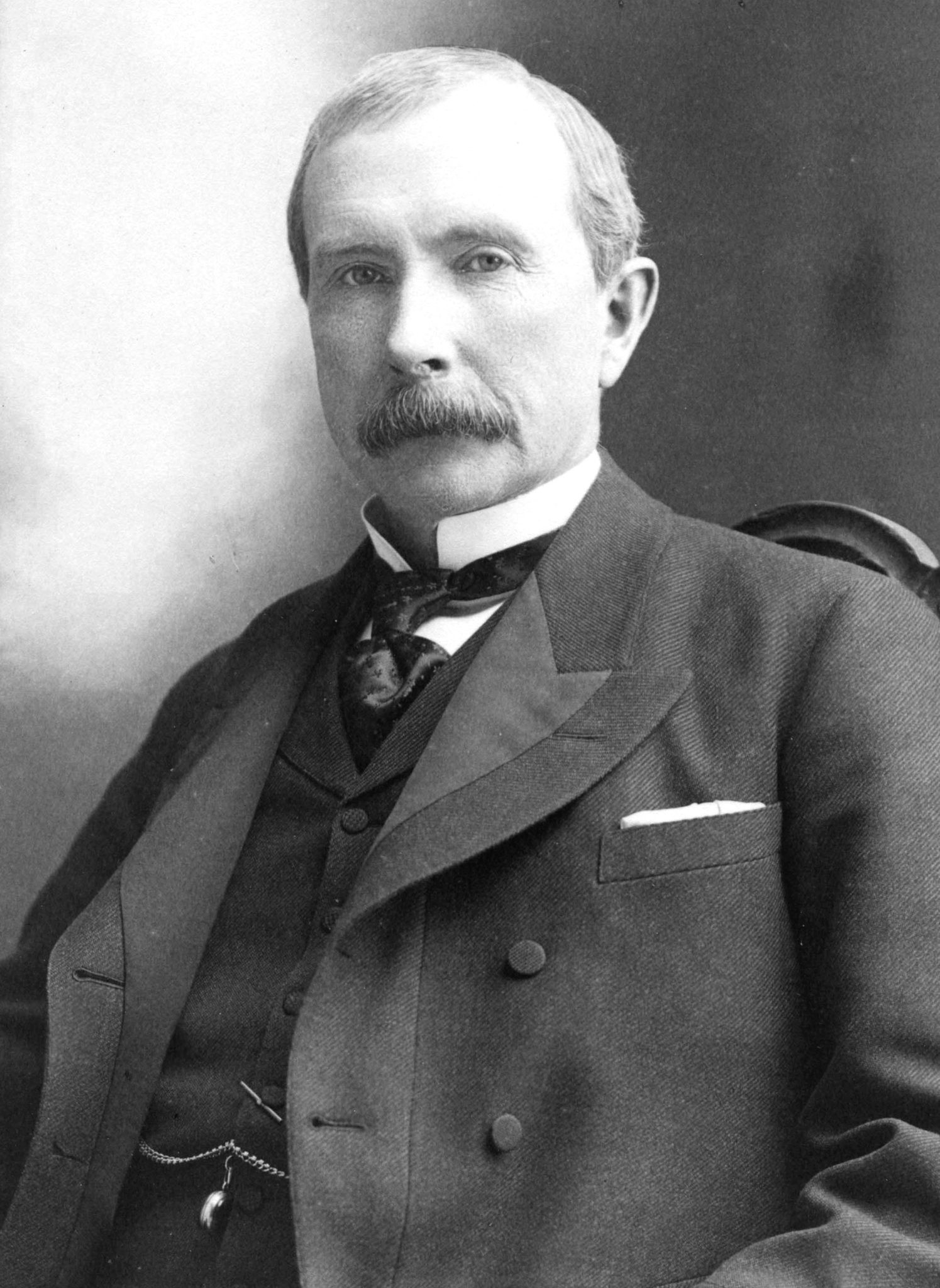
Marian Ilitch
born Marian Ilitch (née Bayoff)
Co-founder, Little Caesars Pizza; owner, MotorCity Casino Hotel; chairman, Ilitch Holdings · b. 1933 · Dearborn, Michigan
Two calls made by hand, not formulas. how we score →
Summary
She and Mike Ilitch opened a pizza shop in Garden City, Michigan in 1959 on about $10,000 of their combined savings, and she kept the books by hand while he ran the ovens.
That discipline is most of what actually built the fortune. The Red Wings, the Tigers, and the casino she owns outright all came later, bought with pizza money, not the other way around.
How it happened
Born January 7, 1933, in Dearborn, Michigan, to Macedonian immigrant parents from the village of Bouf, now Akritas, in the Florina region of Greek Macedonia. She met Mike Ilitch, himself the son of Macedonian immigrants and a former minor-league baseball player, on a blind date in 1954. They married in 1955. Before the business, she worked as a Delta Air Lines ticket agent.
In 1959 the couple put roughly $10,000 of their combined savings into a storefront in a Garden City strip mall. Mike wanted to call it Pizza Treat; Marian added "Little Caesars," her own nickname for him, and it stuck. She sat at the counter recording each sale by hand in a spiral notebook while he worked the dough. Neither of them had run a business before, and there was no outside money behind it.
The first franchise opened in 1962. When the 1973 oil embargo hit household budgets, the company undercut competitors with discounting that was unusual at the time, and in 1979 it introduced the two-for-one "Pizza!Pizza!" deal that made the chain a household name. It grew almost entirely on franchise fees and operating cash flow, never on outside equity, into the third-largest pizza chain in the country.
Once Little Caesars was throwing off real money, the Ilitches bought the Detroit Red Wings for about $8 million in 1982 and the Detroit Tigers in 1992. Major League Baseball's rules kept a team owner from also holding a casino license, so when Detroit legalized casino gambling, MotorCity Casino was structured as Marian's alone: she held an initial 25% stake and, on April 12, 2005, paid $525 million for the remaining 53.5% from Mandalay Resort Group, becoming sole owner of a major American casino at a time when almost none existed.
Mike Ilitch died on February 10, 2017, at 87. Marian became chairman of Ilitch Holdings and the controlling figure across the family's businesses, while their son Christopher took over as president and CEO running day-to-day operations. Forbes has since named her repeatedly among the wealthiest self-made women in the country, a title that undersells how much of the original math was hers from the start.
The coded evidence
Thirteen groups, every claim sourcedCoded at the coarser "Macedonian" tag in coded.ethnicities per site convention for national-origin facets; finer detail (the family's village of origin sits inside modern Greece, not North Macedonia) kept here rather than in the clean facet tag.
↗ en.wikipedia.orgSecond-generation American; born in Dearborn, Michigan to Macedonian immigrant parents.
↗ en.wikipedia.orgnot established
Not established; plausible that Macedonian was spoken at home given both parents were immigrants, but no source confirms it.
↗ en.wikipedia.orgNo move was made for a partner's career.
She and Mike Ilitch both remained in the greater Detroit area throughout their marriage and business career.
↗ en.wikipedia.orgnot established
No documented family wealth or property to fall back on. Her parents were working immigrants; no source describes a standing cushion behind the 1959 founding.
↗ en.wikipedia.orgMarian's earnings as a Delta Air Lines ticket agent and Mike's prior wages, including from a stint in minor-league baseball, funded the couple's household before the $10,000 they put into the first store.
↗ en.wikipedia.orgBoth were operators from day one. Marian ran the bookkeeping by hand at the counter while Mike worked the ovens; neither was a silent or purely financial partner.
↗ detroitnews.com1
Daughter Denise was born in November 1955, before the 1959 founding. Six more children followed over the next decade, including Christopher (b. 1965); the count here reflects dependents at the time of the build, not the eventual family of seven.
↗ en.wikipedia.orgThe hardship was imposed, not chosen. There was nothing to fall back on.
No standing family wealth is documented that the $10,000 stake could have been protected by; this reads as the couple's real savings, not a chosen austerity.
↗ detroitnews.comnot established
Not established beyond that both parents were Macedonian immigrants settled in Dearborn, an auto-industry city with a large immigrant working population.
↗ en.wikipedia.orgDearborn, Michigan — a working-class, auto-industry city with a significant immigrant population.
↗ en.wikipedia.orgHer parents emigrated from the village of Bouf (Akritas), Florina, Greek Macedonia, to Dearborn, Michigan, before her 1933 birth. She herself made no comparable move; the family stayed in greater Detroit for the rest of her life.
↗ en.wikipedia.orgCold walk-in retail customers at a Garden City strip-mall storefront; no pre-existing client relationship documented.
↗ en.wikipedia.orgMike Ilitch, whom she met on a blind date in 1954 and married in 1955. He was also the child of Macedonian immigrants and had played minor-league baseball in the Detroit Tigers organization before the business. They co-founded and co-ran Little Caesars together from 1959 until his death in 2017.
↗ en.wikipedia.org1
Delta Air Lines ticket agent is the only prior employer documented before the 1959 founding.
↗ forbes.comnot established
Not established in the sources reviewed; coded no college on the balance of available evidence (no degree or institution is mentioned anywhere in her public record).
↗ en.wikipedia.orgAbout $10,000 in the couple's combined life savings, used to open the first Little Caesars store — originally to be called "Pizza Treat" — in a Garden City, Michigan strip mall on May 8, 1959.
↗ detroitnews.comIt paid its own way from the start. Revenue came before any outside money.
↗ en.wikipedia.orgLittle Caesars grew for decades on franchise fees and operating cash flow with no outside equity; it remains privately held under Ilitch Holdings. The Red Wings (1982), Tigers (1992), and the couple's real estate and entertainment holdings were bought outright with capital the pizza business generated, not raised from investors.
↗ detroitnews.comProfits from the pizza chain's growth were reinvested into acquiring professional sports franchises and, later, the MotorCity Casino stake, rather than being drawn down for consumption.
↗ detroitnews.comOwns MotorCity Casino Hotel outright, operated under the license held by Detroit Entertainment, L.L.C., rather than renting access to a casino operator's brand.
↗ en.wikipedia.orgMajor League Baseball rules bar a team owner from also holding a casino license, so when Detroit legalized casino gambling, MotorCity Casino was structured as Marian's personal holding rather than a joint Ilitch Holdings asset — she bought Mandalay Resort Group's 53.5% stake for $525 million on April 12, 2005, adding it to a 25% stake she already held, making her sole owner in her own name while Mike remained the Tigers' owner of record.
↗ en.wikipedia.orgPostwar growth of franchised quick-service restaurants; the couple later used discounting to gain share during the recession following the 1973 oil embargo, and introduced the two-for-one "Pizza!Pizza!" deal in 1979.
↗ detroitnews.comBuilt Little Caesars from a single storefront. The later expansion into sports franchises, casino ownership, and real estate was acquisition of existing assets — the Red Wings, the Tigers, and the Mandalay stake in MotorCity — funded by the pizza business rather than built from scratch.
↗ detroitnews.com67
From the 1959 founding to 2026; the business is still operating and still family-owned.
↗ en.wikipedia.orgQuick-service restaurant franchising (pizza)
↗ en.wikipedia.org7600000000
Forbes real-time estimate, September 28, 2026, of Marian Ilitch's personal net worth — not Ilitch Holdings' enterprise value or the Red Wings'/Tigers' franchise valuations, which are far larger. Forbes attributes the figure to her stakes in Little Caesars, the Red Wings, MotorCity Casino, and a family trust holding the Tigers. Other trackers have reported figures from roughly $6.9B to $7.6B in 2026; band this, don't treat it as precise.
↗ forbes.comJournalistic estimate
↗ forbes.com2026
↗ forbes.comAlmost entirely paper equity in privately held companies (Little Caesars, MotorCity Casino) and family-held sports franchises; not liquid or realized wealth.
↗ forbes.comForbes has repeatedly ranked her among the wealthiest self-made women in the United States and assigns her a self-made score of 9 out of 10. Inducted into the Michigan Women's Hall of Fame (2001) and the Michigan Sports Hall of Fame. Became chairman of Ilitch Holdings after Mike Ilitch's 2017 death.
↗ forbes.com0
The founding itself is coded as the pivot; the outcome is the multi-decade compounding that followed it, captured in yearsCompounding.
↗ en.wikipedia.orgUncapped
↗ forbes.comFrugal, Disciplined, Private, the financial force behind the company
Composite of how business press has characterized her role relative to Mike Ilitch's more public persona.
↗ detroitnews.comPress
↗ forbes.comBefore
Her reputation as the operational and financial half of the founding partnership predates Mike Ilitch's 2017 death and her subsequent public role as chairman.
↗ detroitnews.comAsset
↗ forbes.comFor decades Mike Ilitch was the public face of the business while Marian's bookkeeping and financial discipline were described mainly in retrospective coverage after his 2017 death and her emergence as sole owner of MotorCity Casino and chairman of Ilitch Holdings.
↗ detroitnews.comStructural context
The cost-of-failure score comes from this person's own money and circumstances. But who they were in America carried its own weight, the same way their household or income did, and it shaped how hard the path was just as much. That part isn't in the cost-of-failure number. It's here instead.
Startups founded only by women have drawn about 2% of US venture capital, a share that has barely moved in a decade. Raising money as a woman was harder than any one record shows.
↗ techcrunch.comWhite founders are heavily overrepresented among funded companies and top-tier wealth relative to their share of the population, an edge that has nothing to do with a person's own money.
↗ techcrunch.comImmigrants and their children are overrepresented among America's biggest companies, as founders and as senior leaders. They got there through the visa, credential, and network hurdles that make the path harder to even start down.
↗ forbes.comAmong the people recorded here — women: 68 · White subjects: 114. Representation here is who reached these outcomes, not equal odds of reaching them.
Controlled comparisons
Each holds one thing constant and varies another, so the difference is the point. A list of similar names wouldn't tell you anything.