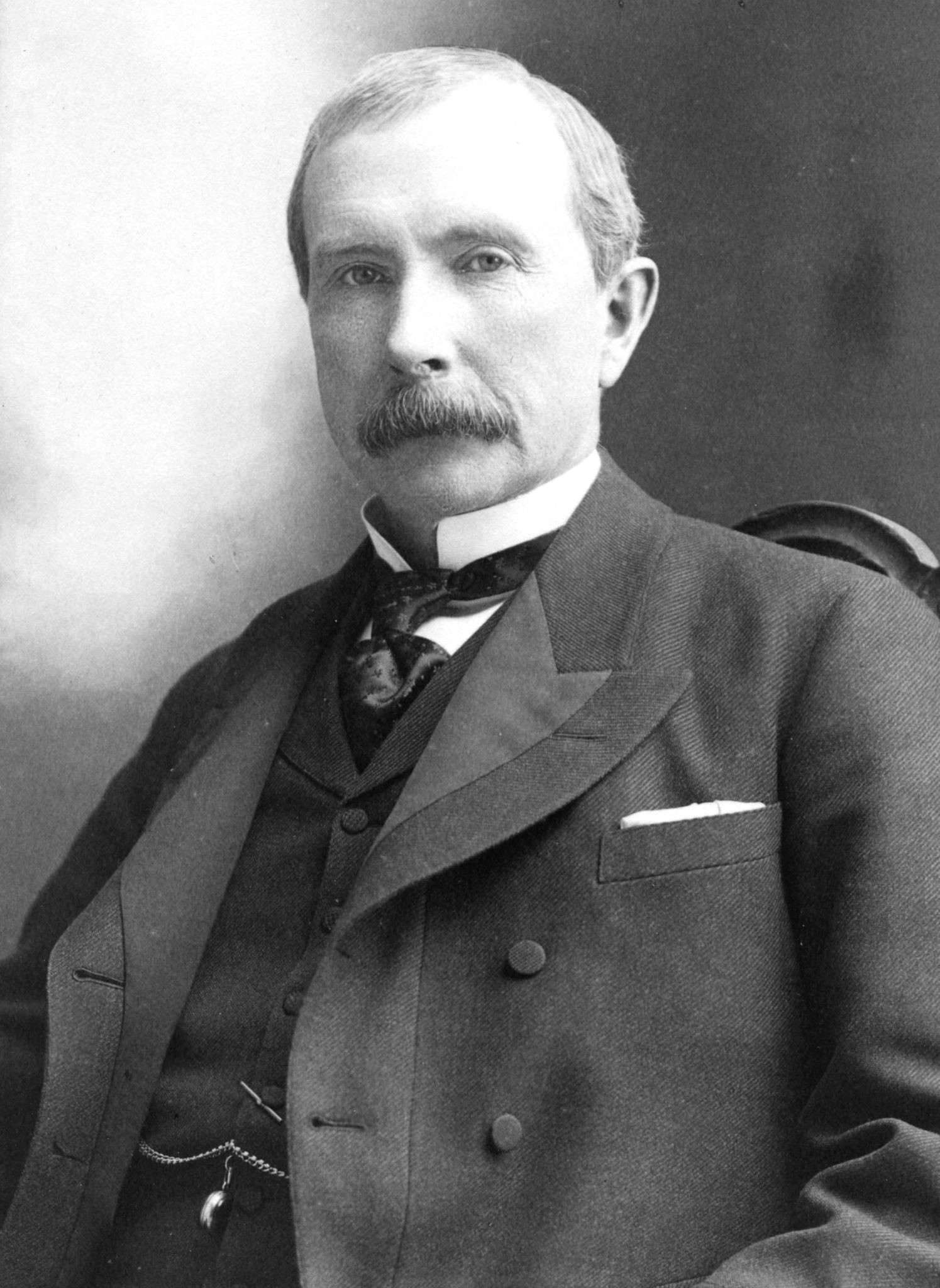
Ratmir Timashev
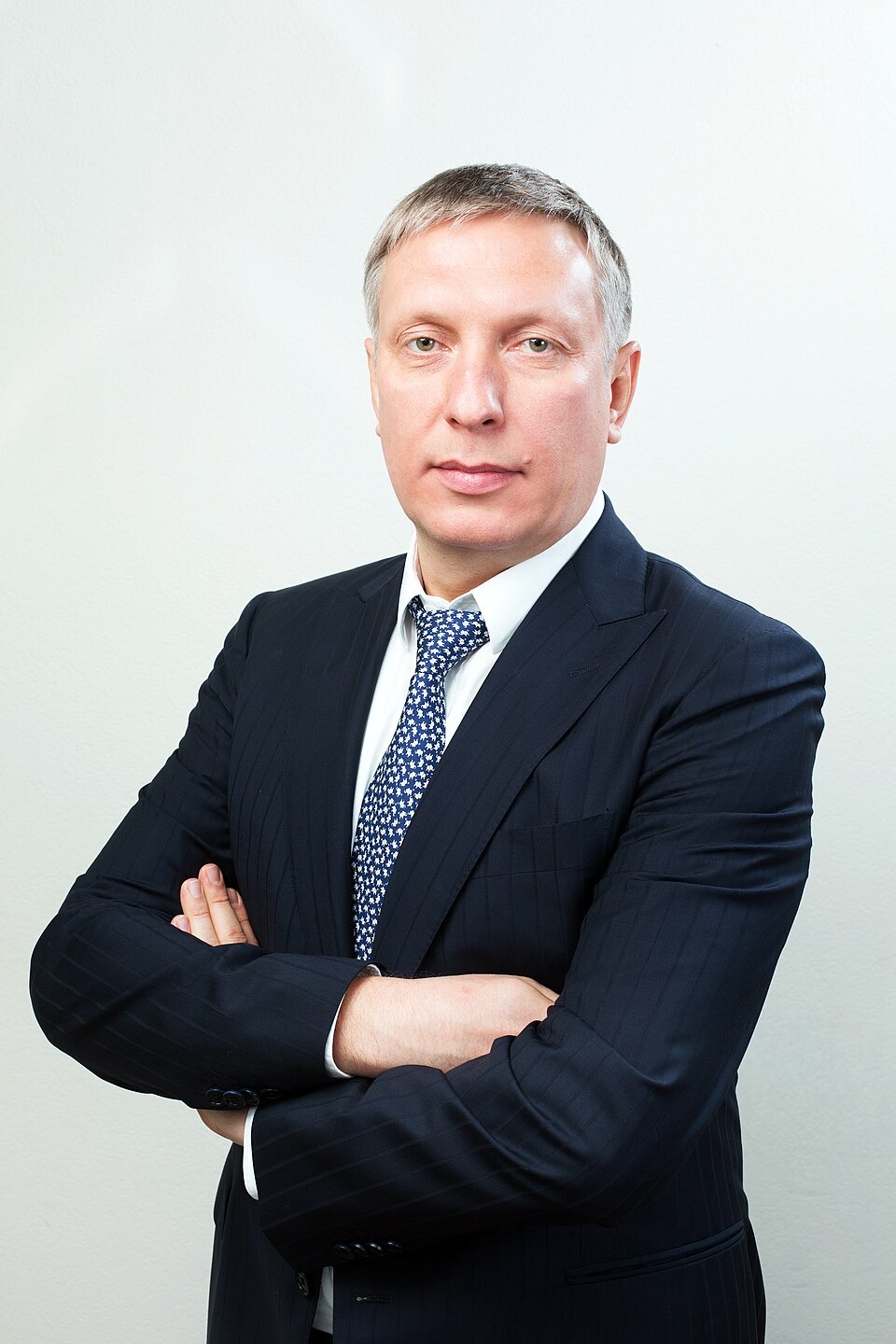
Co-founder of Veeam, the backup and data-protection software company; earlier co-founded Aelita Software · b. 1966 · Ufa, Soviet Union → Columbus, Ohio → Greenwich, Connecticut
Two calls made by hand, not formulas. how we score →
Summary
Timashev was born in Ufa in 1966, graduated from MIPT, and moved to Ohio State in 1992 for graduate physics.
With roommate Andrei Baronov he started a parts-selling side business, then Aelita Software, sold to Quest in 2004, then Veeam in 2006. Veeam took no outside money until 2019 and sold to Insight Partners for about $5 billion in 2020. Forbes puts him at $5.4 billion.
Where they worked
How it happened
Wikipedia says he was born on 26 June 1966 in Ufa, in the Russian republic of the Soviet Union, and graduated from the Moscow Institute of Physics and Technology in 1990. It says he moved to the United States in 1992 to study chemical physics at Ohio State and earned a master's there in 1996. Forbes lists master's degrees from both schools. The Wikipedia article carries failed-verification tags, and the birth date is cited to a 2004 article about the Aelita sale. His parents, his household and who paid for the move are not established in anything opened here.
Per Wikipedia, while still a graduate student he and his college roommate Andrei Baronov started an internet business selling computer parts. In 1996 they wrote Windows NT administration tools, which sold better than the parts. Forbes says Timashev and Baronov founded Aelita Software in 1996; Wikipedia gives 1997. Wikipedia says it reached about $30 million in sales over eight years. How the first money was raised is not established.
Quest Software bought Aelita in early 2004 for about $115 million, per Wikipedia and Forbes. Wikipedia says Timashev became a general manager at Quest Software, running its Windows Enterprise Management unit, and left at the start of 2005. His share of the sale is not established.
In 2006 he and Baronov founded Veeam, starting with tools for managing VMware virtual machines. Veeam Backup and Replication followed in 2008. The Register reports the two founded it in 2006 and took no outside funding until Insight Partners put in $500 million in January 2019, and that the first office was in Saint Petersburg, Russia. A founding team with a prior exit, no investors to answer to, and a market that virtualization was creating from scratch is what separates this from a first-time attempt. Wikipedia says revenue reached $474 million by the end of 2015.
Insight Partners agreed on 9 January 2020 to buy Veeam for about $5 billion, per Wikipedia and The Register. The Register says both founders would leave the board and that Timashev was then executive vice president for worldwide sales and marketing. Forbes calls him a former CEO, and the sources opened here do not agree on his titles, so his exact roles are not established. What he personally received is not established.
Wikipedia says he and Baronov launched Object First, a storage startup, after the sale, and that in 2024 he co-founded an AI company, Integrail, renamed EverWorker in 2025. Forbes says he launched a Columbus venture firm, Oh.io, in 2026, and that he pledged about $150 million to Ohio State, including a $110 million gift to found its Center for Software Innovation. Wikipedia dates that gift to 2023 and Forbes to 2020, so the date is not settled.
Forbes reported in February 2024, as relayed by Liga.net, that Timashev and Baronov had renounced Russian citizenship at the embassy in Cyprus, and that Timashev's took effect in January 2024. Forbes's own profile now says he is a United States citizen and also Cypriot. In March 2022 Veeam's CEO said the company had paused all sales in Russia, and its development team had worked from Saint Petersburg. A Ukrainian outlet, AIN, reported in May 2022 that the company's Russian-language presence continued; it said Veeam did not respond to its questions. That is one outlet's reporting and it is not established here.
Forbes showed $5.4 billion on 20 October 2026, a real-time rank of 783, a self-made score of 9, and a residence in Greenwich, Connecticut. The figure is an estimate. Whether most of it is cash from the 2020 sale or a retained stake in Veeam is not established.
The Veeam Wikipedia article reports no litigation or sanctions against the company, and says Veeam sold its N2WS business back to its founders in 2019 after discussions with the US government. Nothing opened here reports litigation against Timashev personally. That is the absence of reporting in a few sources, and it is not a clearance.
The coded evidence
Thirteen groups, every claim sourcedBorn in the Soviet Union, moved to the United States at about 26 for graduate study; now a United States citizen per Forbes.
Wikipedia's 1992 date and 1966 birth year are tagged failed-verification; the age of 60 in Forbes is consistent with 1966.
↗ en.wikipedia.orgnot established
Not established. Aelita began while he was a graduate student, but stipend or income is not stated in sources opened.
↗ en.wikipedia.orgnot established
Not established. The household value in the coded block is a placeholder because the enum has no unknown option.
↗ en.wikipedia.orgLives in Greenwich, Connecticut per Forbes; Veeam's global headquarters is listed as Columbus, Ohio, with its largest R&D center in Prague and early development in Saint Petersburg.
Wikipedia's Veeam article is inconsistent on headquarters (Kirkland, Washington in body text); The Register says the company was then based in Switzerland.
↗ forbes.comUfa to Moscow for university, then to Columbus, Ohio in 1992 for graduate study, later Greenwich, Connecticut.
The Moscow step is inferred from his MIPT degree. Visa type is not established.
↗ en.wikipedia.orgAndrei Baronov, a college roommate at Ohio State per Wikipedia, co-founded Aelita, Veeam and Object First with him.
Forbes calls Baronov a college friend.
↗ en.wikipedia.orgMaster of Science, Ohio State; Master of Science, Moscow Institute of Physics and Technology.
Wikipedia gives the MIPT graduation as 1990 and the Ohio State master's in chemical physics as 1996.
↗ forbes.comRevenue from a computer-parts web business and Windows NT tools sold while he was a graduate student, per Wikipedia.
Startup capital for the parts business is not established. originCapital none is a placeholder.
↗ en.wikipedia.orgNo outside funding for Veeam until Insight Partners put in $500 million in January 2019, per The Register.
A Swiss trade outlet snippet in a search result said Insight had a minority stake from 2013; I could not open it, so it is not used.
↗ theregister.comClosely held by the two founders until 2019, per Wikibon's analysis, then sold in full to Insight Partners in 2020.
His own stake at either point is not established.
↗ thecuberesearch.comBackup and data-protection software
↗ forbes.com5400000000
Forbes real-time figure on 20 October 2026, rank 783, self-made score 9. A point-in-time estimate.
↗ forbes.comJournalistic estimate
↗ forbes.com2026
↗ forbes.comLargely realized if the 2020 sale paid in cash, but the split between proceeds and any retained stake is not established.
The Register describes the deal as an acquisition for an estimated $5 billion; terms are not given.
↗ theregister.comWealth from two company sales. Forbes lists the source as software and rates him self-made. Pay is not established.
↗ forbes.comMajor Ohio State donor; Forbes says about $150 million pledged, including a $110 million gift that created its Center for Software Innovation.
Wikipedia dates the gift 2023 and Forbes 2020. The university announcement could not be opened.
↗ forbes.comUncapped
↗ forbes.comNone found. The Veeam Wikipedia article reports no litigation or sanctions, and nothing opened reports a suit against Timashev. Only a few sources were checked, so this is not a clearance.
↗ en.wikipedia.orgStructural context
The cost-of-failure score comes from this person's own money and circumstances. But who they were in America carried its own weight, the same way their household or income did, and it shaped how hard the path was just as much. That part isn't in the cost-of-failure number. It's here instead.
Men founded the companies that took nearly all the venture funding and almost every top outcome, a tailwind that never shows up in one person's own circumstances.
↗ techcrunch.comImmigrants and their children are overrepresented among America's biggest companies, as founders and as senior leaders. They got there through the visa, credential, and network hurdles that make the path harder to even start down.
↗ forbes.comAmong the people recorded here — men: 225. Representation here is who reached these outcomes, not equal odds of reaching them.
Controlled comparisons
Each holds one thing constant and varies another, so the difference is the point. A list of similar names wouldn't tell you anything.