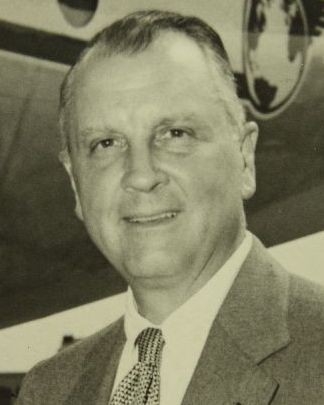
Rick Caruso
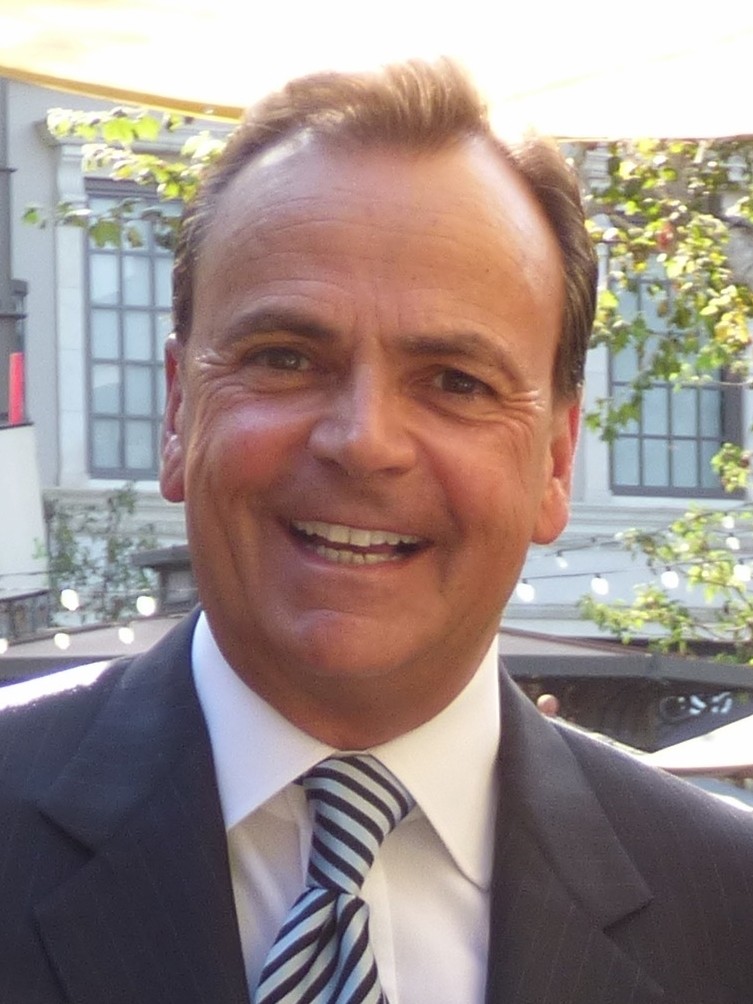
born Rick Joseph Caruso
Founder and CEO, Caruso (formerly Caruso Affiliated); 2022 Los Angeles mayoral candidate · b. 1959 · Los Angeles, California
Two calls made by hand, not formulas. how we score →
Summary
He grew up affluent in Los Angeles, son of Henry Caruso, who founded Dollar Rent A Car.
A USC degree and a Pepperdine law degree led to a mayoral commission appointment at 26. In 1987 he founded his real-estate company; The Grove, opened in 2002, established the high-end open-air retail format that built his fortune.
How it happened
Born January 7, 1959, in Los Angeles. His father, Henry Caruso, founded Dollar Rent A Car and owned a string of Los Angeles car dealerships; his mother, Gloria, worked as a billboard model. He washed cars at his father's lot as a teenager, growing up inside an already-successful family business rather than around it.
He earned a BS from the University of Southern California in 1980 — joining the Sigma Alpha Epsilon fraternity and the Trojan Knights — then a JD from Pepperdine University School of Law in 1983 as a Margaret Martin Brock Scholar. He practiced as a real-estate attorney at the firm Finley Kumble before leaving law altogether in 1990.
In 1985, Los Angeles Mayor Tom Bradley appointed him a commissioner of the Department of Water and Power, making him, at 26, the youngest commissioner in the city's history. It was an early foothold inside city government, years before he needed city approval for his own real-estate projects.
He founded his real-estate company in 1987. Its breakout project, The Grove at Farmers Market, opened in February 2002 on a site where two earlier, larger redevelopment proposals had already been shelved — his scaled-down plan succeeded where those hadn't. When a partner backed out of financing the project's multiplex mid-build, he funded the construction out of the company's own capital rather than bring in an outside investor. The Grove established the open-air, pedestrian-scale "lifestyle center" format that defined the rest of his career.
The Americana at Brand followed in Glendale in 2008, then Palisades Village, the Commons at Calabasas, Rosewood Miramar Beach, and other residential, office, and hospitality projects. Separately, in 2001, he was appointed to the Los Angeles Board of Police Commissioners and elected its president, leading the process that hired police chief William Bratton.
He switched his voter registration from Republican to Democrat in January 2022 and entered the Los Angeles mayoral race, spending roughly $39 million of his own money on the campaign. He advanced from the June primary with about 36% of the vote, then lost the November runoff to Karen Bass, who won with roughly 55% to his 45%.
He chaired the USC Board of Trustees from 2018 to 2022 — a tenure that drew press criticism over the university's handling of the George Tyndall sexual-abuse case, including a promised independent investigation report that was reportedly never made public. Forbes put his personal net worth at roughly $7.1 billion as of late September 2026. He remains CEO of Caruso, still privately held.
The coded evidence
Thirteen groups, every claim sourcedThird-generation American. His grandparents, not his parents, were the immigrants — his father Henry Caruso was a US-born businessman (founder of Dollar Rent A Car), so this is coded as no migration-linked headwind, not as second-generation.
↗ forbes.comDescribed as a devout Catholic adult who endowed a Catholic center and parish church at USC; his childhood religious upbringing isn't separately detailed, so this is inferred continuity.
↗ en.wikipedia.orgnot established
Not established in sources consulted; presumed English given a multi-generation US-born family.
↗ en.wikipedia.orgRaised in an affluent Los Angeles household funded by his father's national car-rental business; no source documents any financial hardship or need for a fallback at any point in his life.
↗ forbes.comDrew an attorney's salary at Finley Kumble and, from 1985, income and standing from an appointed city commissionership, before founding his real-estate company in 1987 from a position of established family wealth rather than financial urgency.
↗ en.wikipedia.orgnot established
His wife, Tina Caruso, is named in sources but her role, if any, during the company's founding period isn't documented.
↗ en.wikipedia.orgnot established
He and Tina have four children (Alex, Gregory, Justin, Gianna), but their ages relative to the 1987 founding aren't established in sources consulted.
↗ en.wikipedia.orgnot established
No student or startup debt is documented, consistent with a family funding elite private education outright.
↗ en.wikipedia.orgnot established
No housing, income, or comparable instability is documented at any point.
↗ en.wikipedia.orgThe hardship was imposed, not chosen. There was nothing to fall back on.
No period of chosen austerity is documented; the company was founded from a position of family wealth.
↗ en.wikipedia.orgFather Henry Caruso founded Dollar Rent A Car and owned Los Angeles car dealerships; mother Gloria worked as a billboard model.
↗ forbes.comA parent worked for themselves, the strongest known predictor of founding.
↗ forbes.comFamily standing traces to one generation back — his father's founding of Dollar Rent A Car — rather than multi-generational old-money status; the Caruso name became prominent through Henry's business success rather than through inherited social position.
↗ forbes.comParents funded a private undergraduate degree at USC and a Pepperdine JD, with no student debt documented at completion.
↗ en.wikipedia.orgMulti-decade access to the Los Angeles political and business establishment through two mayoral-appointed civic roles — LADWP commissioner from 1985 and Los Angeles Board of Police Commissioners president from 2001 — under sitting mayors of both parties.
↗ en.wikipedia.orgLos Angeles Mayor Tom Bradley appointed him a Department of Water and Power commissioner in 1985, at age 26, the youngest commissioner in the city's history — an early civic foothold that preceded his real-estate career and later overlapped with it, since the city government he'd served also approved his development projects.
↗ en.wikipedia.orgHeld two mayoral-appointed civic positions — LADWP commissioner (1985) and Los Angeles Board of Police Commissioners president (2001), where he led the search that hired police chief William Bratton — giving him sustained, direct proximity to city hall across the same decades he was seeking project approvals from that government.
↗ en.wikipedia.org1
Practiced as a real-estate attorney at Finley Kumble before founding his own company; no other employer is documented.
↗ en.wikipedia.orgJD, Pepperdine University School of Law, 1983 (Margaret Martin Brock Scholar); BS, University of Southern California, 1980.
↗ en.wikipedia.orgLicensed to practice law in California; practiced as a real-estate attorney at Finley Kumble before leaving the law in 1990 to develop properties full-time.
↗ en.wikipedia.orgUSC network as undergraduate (Sigma Alpha Epsilon fraternity, Trojan Knights), later formalized as chairman of the USC Board of Trustees (2018–2022) and a major donor — a $25 million gift in 2015 named the university's Department of Otolaryngology after him and his wife.
↗ en.wikipedia.orgNo source itemizes the founding capital for his 1987 real-estate company, but it came from a position of established family wealth generated by his father's Dollar Rent A Car business rather than from wages saved over time.
↗ forbes.comHis father, Henry Caruso, built and profited from Dollar Rent A Car and a chain of Los Angeles car dealerships — the documented source of the family wealth and comfort behind Rick Caruso's start, though no source discloses a specific transfer amount.
↗ forbes.comBuilt and financed properties through his own privately held company rather than by raising outside equity or going public. When a partner unexpectedly withdrew from financing The Grove's multiplex mid-build, he funded its construction "out of the company's own pocket" rather than bring in an outside investor.
↗ en.wikipedia.orgDevelops and owns his retail centers outright as long-term landlord rather than selling them off — The Grove, the Americana at Brand, and Palisades Village are all held assets of his company.
↗ forbes.comOriginated his own concept for high-end, pedestrian-scale "lifestyle center" retail — open-air developments styled like a walkable street rather than an enclosed mall — first proven at The Grove in 2002.
↗ en.wikipedia.orgCaruso (the company) has remained wholly and privately owned and controlled by Rick Caruso throughout its history, with no public shareholders or outside equity partners disclosed in sources consulted.
↗ forbes.comnot established
No failed prior venture is documented; his path ran from law practice directly into a real-estate company that grew through successive projects rather than restarts.
↗ en.wikipedia.orgDevelopment risk was carried by his own company's capital and financing rather than by personal savings under threat, consistent with a company backed by established family wealth.
↗ forbes.comOpened The Grove in February 2002, years before e-commerce began drawing meaningful share from physical retail, giving the open-air "lifestyle center" format room to stand out against enclosed malls.
↗ en.wikipedia.orgLos Angeles (the Fairfax District, adjacent to the Original Farmers Market).
↗ en.wikipedia.orgIn 2015 his company spent roughly $12 million on a Carlsbad ballot initiative intended to let a proposed mall bypass standard CEQA environmental review; voters rejected the initiative. Reported as an attempt to use the ballot-initiative process rather than the ordinary permitting process — not an adjudicated finding of wrongdoing.
↗ en.wikipedia.orgBuilt The Grove as new construction, on a site where two earlier, larger redevelopment proposals had already been shelved; his scaled-down 1998 proposal succeeded where those had not.
↗ en.wikipedia.orgReal estate development (high-end open-air retail, plus residential, office, and hospitality)
↗ forbes.com7100000000
Forbes real-time billionaires-tracker figure as of 2026-09-28; this is his personal net worth, not the value of his privately held company's real-estate portfolio. Forbes' estimate moves over time and should be treated as a snapshot rather than a fixed number.
↗ forbes.comJournalistic estimate
Caruso (the company) is privately held; no public filing establishes his exact net worth or ownership stake.
↗ forbes.com2026
↗ forbes.comRunner-up in the 2022 Los Angeles mayoral race (advanced from the primary with about 36% of the vote, then lost the November runoff to Karen Bass roughly 45% to 55%); chairman of the USC Board of Trustees, 2018–2022; named Ernst & Young LLP Master Entrepreneur of the Year in 2012.
↗ en.wikipedia.orgUncapped
↗ forbes.comnot established
No regulatory agency action against Caruso personally is documented in sources consulted.
↗ en.wikipedia.orgAfter
Reported scrutiny (the failed 2015 CEQA-bypass ballot measure, and reporting on political donations to city officials during periods when city bodies approved his projects) surfaced well after his real-estate fortune was already established.
↗ en.wikipedia.orgIncidental
The reported episodes are documented but not established as having produced his fortune, which predates and doesn't depend on them.
↗ en.wikipedia.orgLegal gray
↗ en.wikipedia.orgNone
No fine, judgment, or personal liability is documented from either episode; the ballot initiative simply failed at the ballot.
↗ en.wikipedia.orgDealmaker, detail-driven developer
↗ en.wikipedia.orgPress
↗ en.wikipedia.orgMixed
An asset in real-estate and business circles (credited dealmaker, major civic donor); contested among tenant- and homelessness-advocacy critics during the 2022 mayoral race, and criticized in reporting over the USC Board of Trustees' handling of the George Tyndall abuse case during his 2018–2022 chairmanship.
↗ en.wikipedia.orgPraised in business coverage as the builder of some of the country's highest-grossing retail centers; criticized by mayoral-race opponents and some reporting as a wealthy outsider running as a newly registered Democrat after decades as a Republican, and separately over USC's handling of the Tyndall case on his watch as board chairman.
↗ en.wikipedia.orgnot established
Too recent to assess; no clear reputational recovery or permanent pricing-in event beyond the 2022 election loss is established in sources consulted.
↗ en.wikipedia.orgStructural context
The cost-of-failure score comes from this person's own money and circumstances. But who they were in America carried its own weight, the same way their household or income did, and it shaped how hard the path was just as much. That part isn't in the cost-of-failure number. It's here instead.
Men founded the companies that took nearly all the venture funding and almost every top outcome, a tailwind that never shows up in one person's own circumstances.
↗ techcrunch.comAmong the people recorded here — men: 169 · white subjects: 12. Representation here is who reached these outcomes, not equal odds of reaching them.
Controlled comparisons
Each holds one thing constant and varies another, so the difference is the point. A list of similar names wouldn't tell you anything.