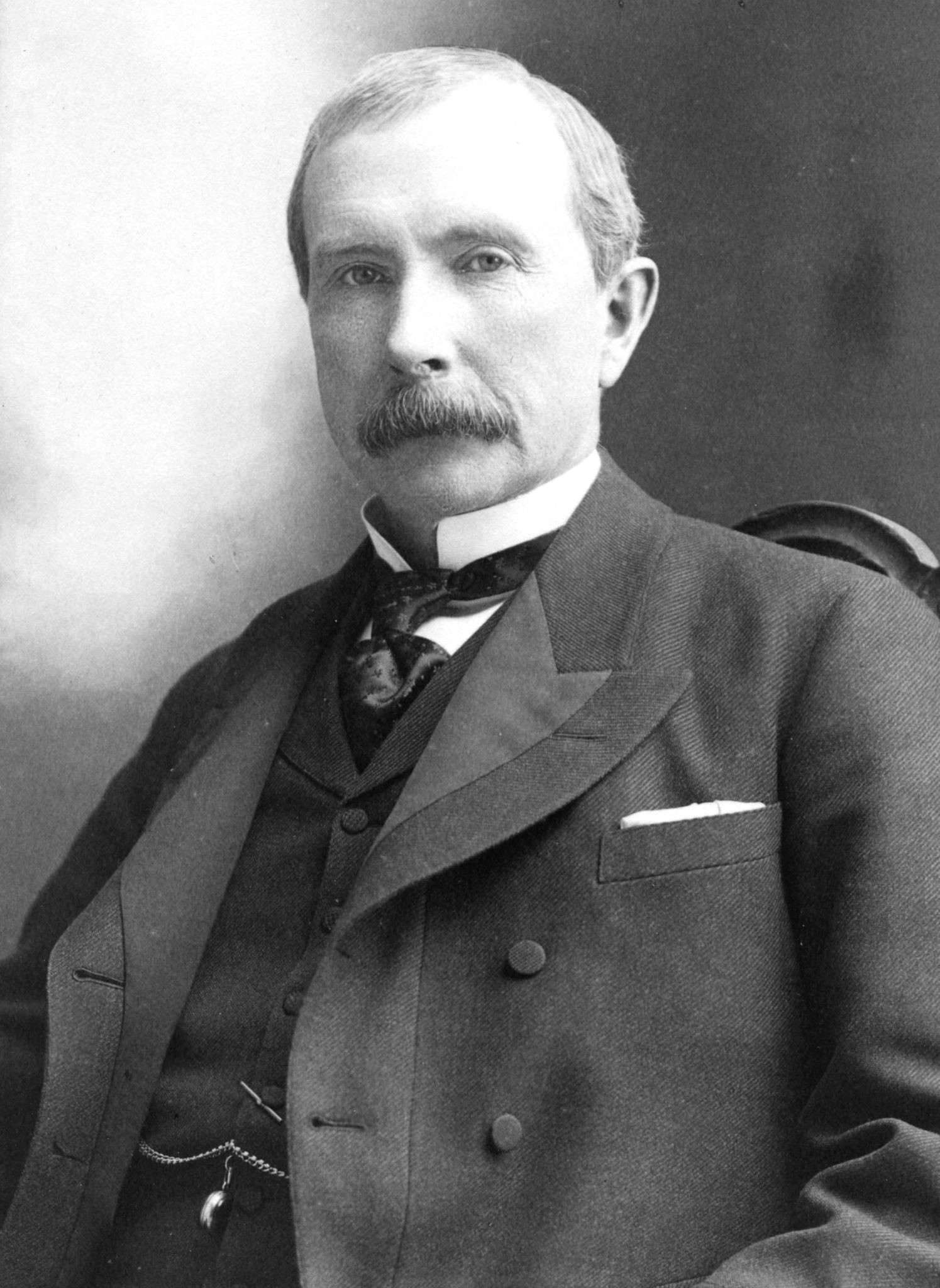
Robert Clark
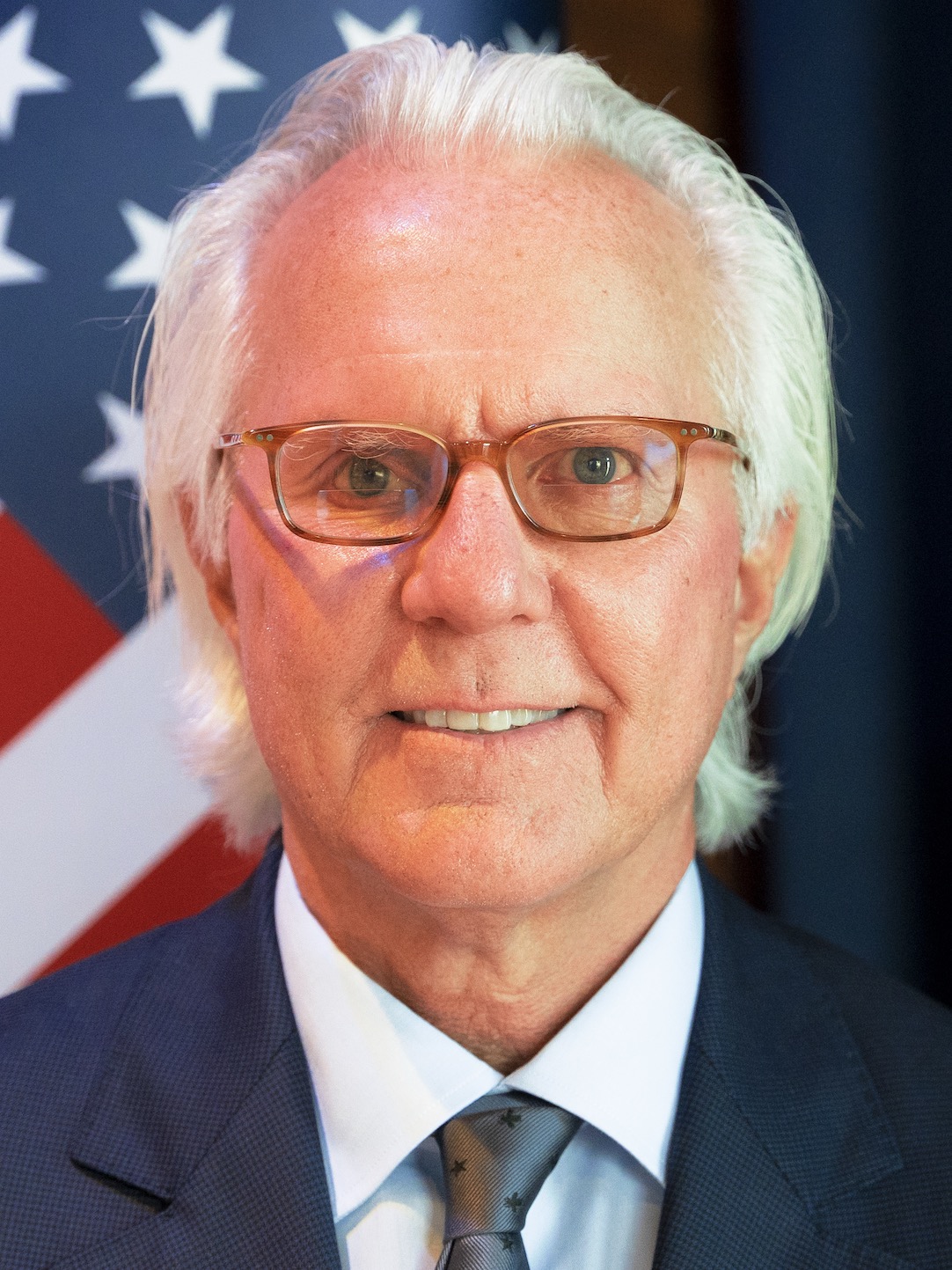
born Robert G. Clark
Founder and executive chairman of Clayco, a design-build construction and real estate firm based in Chicago and St. Louis · b. 1959 · St. Louis, Missouri
Two calls made by hand, not formulas. how we score →
Summary
A St.
Louis kid with attention deficit disorder who struggled in school, worked for his father's painting business, left college, and started a construction company at 25. Forbes puts him at $7 billion and says he owns most of Clayco. How he funded the start isn't documented.
Where they worked
How it happened
Clark has written that he grew up in St. Louis, that his father was a painting contractor, and that he spent his boyhood afternoons at a construction site next to his school. He says attention deficit disorder made school painful. His father's business gave him a place to work: in his last year of high school he was in a co-op program and spent most of the day estimating and supervising painting jobs for his dad.
By his own account he started a painting business after high school and, at 19, became a partner in an equipment company. Wikipedia names it as Machine Maintenance and Equipment Company. It also says he attended Fontbonne University and left to start his own firm, though the sources don't say how long he stayed or what the stake in the equipment company was worth.
In 1984, at 25, he sold his stake in the equipment company and started Clayco. In his own telling the first year brought $1.2 million in revenue, and he says he knew nothing about construction or running a business. What the stake sold for, and whether anyone else put money in, isn't in the sources found. The pivot is the sale of a business he already had a piece of, to bet on one he would control.
Clayco grew into a design-build and development firm. In 2005 he partnered with developer Paul McKee on the NorthPark business development near St. Louis Lambert airport, per Wikipedia. The company moved its headquarters to Chicago in 2013. Forbes puts 2024 revenue at $7.6 billion, and Clayco's public materials describe it as one of the largest privately owned firms in its industry.
President Obama appointed him to the Committee for the Preservation of the White House in 2010, and President Biden named him U.S. Commissioner General at Expo 2020 Dubai in 2021. His wife Ellen, whom he writes he had known since junior high, died in 2010 of a rare genetic disease, and the Clayco Foundation later gave $4.1 million to research on it.
Forbes lists him at about $7 billion as of October 12, 2026, rank 575 on its real-time billionaires list, and counted him among the 2026 Forbes 400 newcomers. In 2026 he was defending a proposed data center in Festus, Missouri, that voters opposed, according to the St. Louis Business Journal.
The coded evidence
Thirteen groups, every claim sourcedCoding notes. PLACEHOLDERS: household "two-parent" (he writes about his father; his mother and the family's structure are not described), originCapital "wage-savings" (the proceeds of selling his equipment-company stake funded the start per his own account, but the amount and the exact route are not established, and no enum fits "sale proceeds from a business stake"), raisedOutsideCapital false (inferred; no outside funding is reported in anything found, which is not proof of none). Hardness 5 is a judgement: a father with an established trade business and early paid work in it, but a college dropout with no documented family capital or inheritance, starting at 25. headwinds 2: self-disclosed ADHD and a hard time in school, no identity-based barrier documented. Birth year 1959 from Wikipedia's category and consistent with Forbes age 67 and his "I was 25" in 1984. Ethnicity not established so coded.ethnicities is omitted. Mostly Wikipedia, Forbes and a first-person New York Times piece (read via the Wayback Machine). SEC filings do not apply (private company).
↗ forbes.comnot established
Not established what he lived on in 1984 beyond proceeds of the equipment-company sale.
↗ nytimes.comFather a painting contractor, in Clark's own account. Mother's occupation not given.
First-person essay by Clark as told to the paper. The NYT page was read through the Wayback Machine.
↗ nytimes.comA parent worked for themselves, the strongest known predictor of founding.
A "painting contractor" is normally self-employed, but the essay doesn't say how large the business was.
↗ nytimes.comClark has written that attention deficit disorder "has been the driver of my life" and that he had a hard time focusing in school. He credits a fifth-grade teacher with working out a way to teach him and a few other students in short sessions.
Self-disclosed in a first-person essay. Formal diagnosis and treatment are not described.
↗ nytimes.comHis wife Ellen, whom he writes he had known since junior high, died in 2010 of a rare genetic disorder that causes strokes. He says he traveled alone afterward, ending up trekking in Nepal.
In his own words. It came decades after the company was built, so weighs little as a headwind.
↗ nytimes.comSt. Louis area; Wikipedia says he grew up in Bridgeton, Missouri
Clark himself says only "St. Louis" for his elementary school.
↗ en.wikipedia.orgParkway Central High School, with a co-op program in his senior year
Wikipedia names the high school; the co-op program is from Clark's own essay.
↗ en.wikipedia.orgClayco itself, founded in St. Louis in 1984 after he sold his stake in an equipment company.
↗ en.wikipedia.org25
Age when he started the construction company; he had worked in his father's painting business earlier.
↗ nytimes.com7
Rough arithmetic from partner at 19 in 1978 to Clayco in 1984. Earlier work for his father is not counted.
↗ nytimes.comWorked for his father's painting contracting business, estimating and supervising jobs, during his senior year of high school.
↗ nytimes.comNo degree. Wikipedia says he left Fontbonne University to found his firm; the University of Missouri System gave him an honorary degree in 2023.
Forbes also calls him a college dropout. Years attended not established.
↗ en.wikipedia.orgProceeds from selling his stake in the equipment company, per his own account of starting Clayco. The amount is not stated.
Wikipedia states the stake sale; Clark's essay says "I sold my stake and started a construction company."
↗ en.wikipedia.orgIt paid its own way from the start. Revenue came before any outside money.
He reports $1.2 million in revenue in the first year; whether outside money also came in isn't stated.
↗ nytimes.comPrivately held. Forbes says Clark owns most of Clayco. Other owners and percentages are not disclosed.
↗ forbes.comClark says he knew he would be a builder from watching a construction site near his elementary school in the 1960s.
↗ nytimes.comnot established
He says he knew nothing about running a business at the start, but no failed venture is documented.
↗ nytimes.comConstruction, design-build and real estate development
↗ forbes.com7000000000
Forbes real-time figure as of 2026-10-12, rank 575 on the world real-time list. Forbes also lists him as number 16 of 34 newcomers on the 2026 Forbes 400 at $7 billion (forbes.com.au/?p=206620); his own Forbes 400 rank was not shown in what could be read.
↗ forbes.com2026
↗ forbes.comnot established
Not established; private company. Forbes reports 2024 company revenue of $7.6 billion.
↗ forbes.comHeld in a private company he mostly owns; how much has been taken out is not established.
↗ forbes.comU.S. Commissioner General at Expo 2020 Dubai (appointed 2021) and a member of the Committee for the Preservation of the White House (2010). The Clayco Foundation gave $4.1 million to Washington University research on the disease that killed his wife.
↗ en.wikipedia.orgUncapped
↗ forbes.comnot established
None found in the sources consulted. This is not a clearance; no docket or OSHA search was done.
↗ en.wikipedia.orgAfter
Nothing material to code, so this is a placeholder. The only public controversy found, the 2026 data center dispute, is local political opposition, not a legal matter.
↗ en.wikipedia.orgCivic minded, Self made
Thin. Forbes labels him self-made; Wikipedia and the Business Journal describe his civic work. Two outlets, not a study of how peers see him.
↗ forbes.comPress
↗ en.wikipedia.orgAsset
Inferred from government appointments under two presidents of different parties. The 2026 Festus data center opposition suggests local resistance to a project, not to his reputation as such.
↗ en.wikipedia.orgStructural context
The cost-of-failure score comes from this person's own money and circumstances. But who they were in America carried its own weight, the same way their household or income did, and it shaped how hard the path was just as much. That part isn't in the cost-of-failure number. It's here instead.
Men founded the companies that took nearly all the venture funding and almost every top outcome, a tailwind that never shows up in one person's own circumstances.
↗ techcrunch.comAmong the people recorded here — men: 225. Representation here is who reached these outcomes, not equal odds of reaching them.
Controlled comparisons
Each holds one thing constant and varies another, so the difference is the point. A list of similar names wouldn't tell you anything.