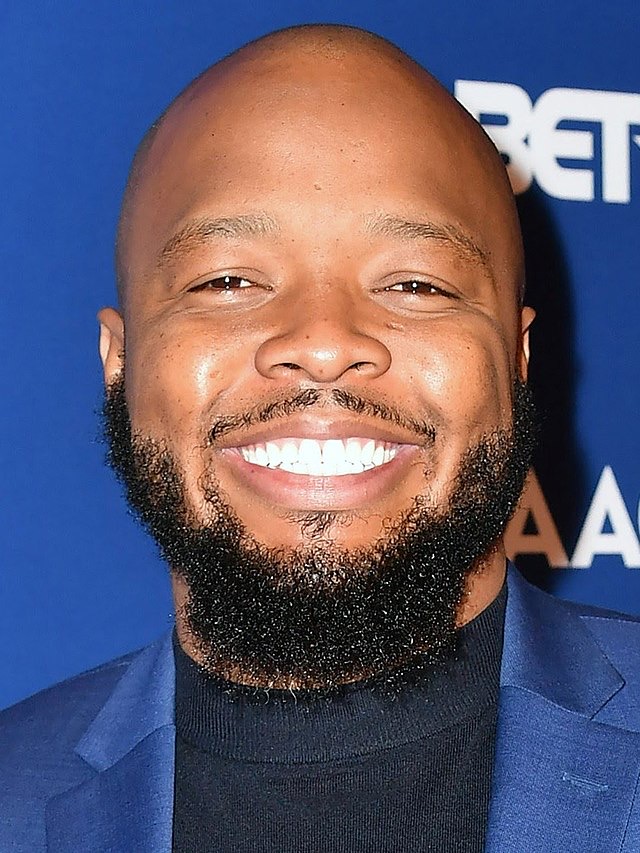
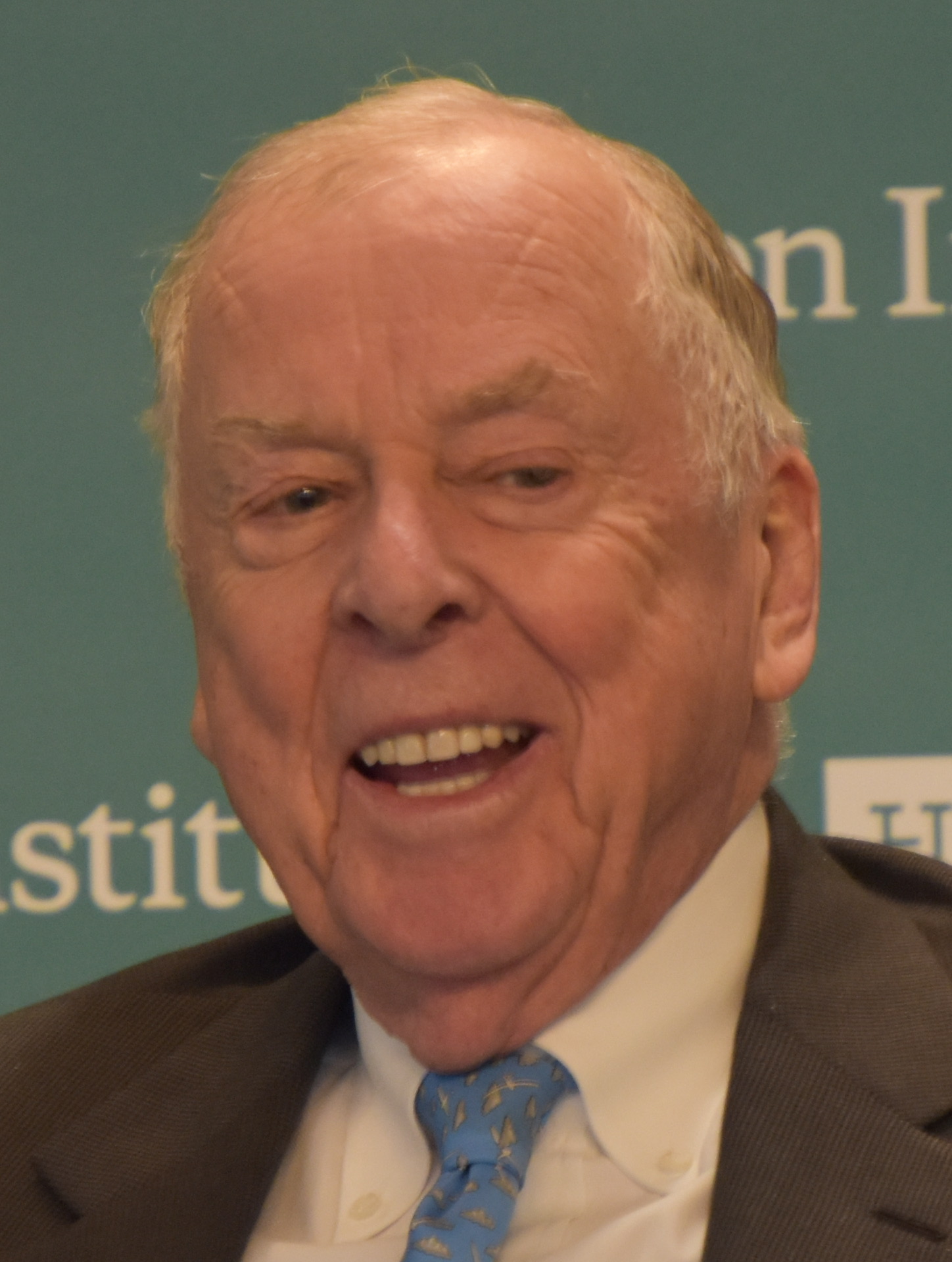
Robert F. Smith
Founder, Chairman and CEO, Vista Equity Partners · b. 1962 · Denver, Colorado
Two calls made by hand, not formulas. how we score →
Summary
Both parents held doctorates and ran public schools — real standing, a steady paycheck, no money to spare.
Funded credentials and a Goldman tech- banking career built the network; the capital to start his own fund came from one anchor investor whose offshore terms later cost him $139 million and an admission of guilt.
How it happened
Born in Denver in December 1962 to two parents with doctorates in education — his father an elementary school principal, his mother principal of George Washington High School. As an infant he was carried to the March on Washington by his mother. The household was in a middle-class Black neighborhood in East Denver: standing and stability, not wealth.
In high school he applied to Bell Labs' summer internship program, which was meant for college students. He called every Monday for five months until a slot opened when an MIT student didn't show, and spent the summer building a semiconductor reliability test. He went on to Cornell for chemical engineering, then a run of industrial jobs — Goodyear, Air Products, Kraft — before a Columbia MBA in 1994 pointed him at finance.
Six years at Goldman Sachs, the last several running technology M&A out of Silicon Valley, advising on roughly $50 billion in deals with Apple, Microsoft, Texas Instruments, eBay, and Yahoo. It built the resume and the relationships a first-time fund manager would need.
In the late 1990s, Houston software entrepreneur Robert Brockman offered to back Smith's first private-equity fund — a take-it-or-leave-it deal. Brockman required the fund be domiciled in the Cayman Islands and that Smith's own carried interest run through an offshore trust structure Brockman himself dictated. Smith took the offer and founded Vista Equity Partners in 2000, specializing exclusively in enterprise software buyouts.
Vista grew from that single anchor-backed fund into one of the largest software-focused private-equity firms in the world, reporting roughly 30% annualized returns and eventually more than $100 billion under management. Forbes has named Smith the wealthiest African American since 2018. In 2019 he pledged to pay off the roughly $34 million in student debt held by Morehouse College's graduating class.
In October 2020 Smith entered a non-prosecution agreement with the Justice Department, admitting he had used the Brockman-dictated offshore trust and a Nevis shell company for fifteen years to conceal more than $200 million in partnership income from the IRS. He agreed to pay $139 million in taxes and penalties, abandon $182 million in claimed deductions, and cooperate against Brockman, who was indicted the same month and died before trial.
The coded evidence
Thirteen groups, every claim sourcedDescendant. No documented immigration in the family line.
↗ en.wikipedia.orgBoth parents held stable, full careers as public-school principals with doctorates in education — a genuine, if unspectacular, floor to fall back to at every stage of his rise.
↗ en.wikipedia.orgSix years of investment-banking salary and bonus at Goldman Sachs (1994-2000) preceded the Vista founding, giving him savings and a re-employable resume if the fund had failed.
↗ en.wikipedia.orgnot established
No housing or income instability is documented at any point in his rise.
↗ en.wikipedia.orgFather, William Robert Smith, an elementary school principal in Denver. Mother, Sylvia Myrna Smith, principal of George Washington High School in Denver. Both held doctorates in education.
↗ en.wikipedia.orgNeither parent was self-employed.
Both parents held salaried public-school administrative roles.
↗ en.wikipedia.orgBoth parents held PhDs in education.
↗ en.wikipedia.orgA predominantly Black, middle-class neighborhood in East Denver.
↗ en.wikipedia.orgEast High School, Denver, a large public high school; graduated 1981.
↗ en.wikipedia.orgIn the late 1990s, Houston software entrepreneur Robert Brockman approached Smith about starting a private-equity fund and offered to back the first one outright — a take-it-or-leave-it proposal Smith described, per his own later non-prosecution agreement, as a "unique business opportunity he eagerly wanted to pursue."
Wikipedia's account is drawn from Bloomberg (21 Aug 2020) and Washington Post (13 Nov 2020) reporting, cited in the article.
↗ en.wikipedia.orgGoldman Sachs, where he spent six years in technology investment banking, the last several running Silicon Valley tech M&A, advising on roughly $50 billion in deals with Apple, Microsoft, Texas Instruments, eBay, and Yahoo before leaving to found Vista in 2000.
↗ en.wikipedia.orgCredibility, Network, Skill
Goldman supplied the deal reps, sector network, and dealmaking credibility; the actual fund capital came from a single outside anchor investor, not from Goldman. See d7.operatorAngel.
↗ en.wikipedia.orgAs a Denver high schooler he applied to Bell Labs' summer internship program, which was intended for college students. He called every Monday for five months until a slot opened when an MIT student didn't show up, and spent the summer developing a semiconductor reliability test — a door he opened himself, against the program's own criteria.
↗ en.wikipedia.org31
First role in finance specifically — joining Goldman Sachs after his 1994 Columbia MBA. His earlier Bell Labs internship and industrial jobs (Goodyear, Air Products, Kraft) were in chemical engineering, not finance.
↗ en.wikipedia.orgThe Bell Labs internship gave a teenager hands-on access to semiconductor testing equipment and process years before most peers, in any household, would see it.
↗ en.wikipedia.orgMBA, Columbia University (1994), concentrations in finance and marketing. BS chemical engineering, Cornell University (1985).
↗ en.wikipedia.orgnot established
Not established how Cornell tuition was funded. His parents' salaried professional income is the presumed source; no scholarship, loan, or employer funding is documented for the undergraduate degree.
↗ en.wikipedia.orgDirect: engineering degree into industrial chemical-engineering roles, then a full-time MBA before pivoting into Wall Street finance.
↗ en.wikipedia.orgJoined Alpha Phi Alpha, the first intercollegiate Black fraternity, at Cornell in 1982, connecting him to a national network of Black professional and civic ties independent of family wealth.
↗ en.wikipedia.orgSix years of Goldman Sachs banker income and savings (1994-2000) preceded the founding and gave him a personal stake to bring to the table alongside Brockman's backing.
↗ en.wikipedia.orgRobert Brockman personally backed Vista's first fund on a take-it-or-leave-it basis, requiring it be domiciled in the Cayman Islands and that Smith's carried interest run through an offshore trust structure Brockman dictated — Smith's non-prosecution agreement later described it as Brockman's "unique terms and unorthodox structure." Capital and the deal that let a first-time manager launch at all came from one operator-investor, not a syndicated round.
Cited on Wikipedia to Bloomberg (21 Aug 2020, 3 Feb 2021) and Washington Post (13 Nov 2020) reporting.
↗ en.wikipedia.orgRetained founder control as chairman and CEO through Vista's growth into a top software-buyout firm; the management company's control stayed with Smith even as fund-level capital came from outside limited partners.
↗ forbes.comVista Equity Partners, founded 2000, a private-equity firm specializing exclusively in enterprise software; compounds wealth through management fees and carried interest across successive funds, reporting roughly 31% annualized returns since inception and crossing $100 billion in assets under management by 2023.
↗ en.wikipedia.orgnot established
No on-record account of why he chose enterprise software specifically was located; his Goldman tech-M&A background is the presumed link but is not explicitly documented as the stated rationale.
↗ en.wikipedia.orgFounded in 2000 as enterprise software was maturing into a distinct, recurring-revenue category that generalist buyout funds had not yet specialized in, ahead of the software-multiple expansion of the 2010s.
↗ forbes.comSources differ on the first office: Smith's own biography places the founding in Austin, Texas; Vista's corporate history describes the first office opening in San Francisco the same year. Vista has operated across both cities since.
↗ en.wikipedia.orgBuilt. Founded Vista from nothing as a first-time fund manager rather than acquiring an existing platform, though the launch capital itself was supplied whole by a single anchor investor.
↗ en.wikipedia.orgPrivate equity — enterprise software buyouts
↗ forbes.comJournalistic estimate
↗ forbes.com2026
↗ forbes.comNearly all wealth is ownership — management-company equity and carried interest across Vista's funds — an appreciating, compounding asset base rather than salary.
↗ forbes.comNamed by Forbes as the wealthiest African American since 2018. Chairman of Carnegie Hall's board from 2016, the first African American to hold the role. Recipient of the NAACP Legal Defense Fund's National Equal Justice Award and the Robert F. Kennedy Center's Ripple of Hope Award (2010). Pledged roughly $34 million in 2019 to pay off Morehouse College's graduating class's student debt.
↗ en.wikipedia.orgUncapped
↗ forbes.comEntered a non-prosecution agreement with the DOJ Tax Division and the US Attorney for the Northern District of California in October 2020, over a scheme running 2000-2015 that concealed more than $200 million in partnership income using an offshore trust (Excelsior Trust, Belize) and a shell company (Flash Holdings, Nevis) tied to undisclosed bank accounts in the British Virgin Islands and Switzerland. No indictment or guilty plea; DOJ credited his cooperation, including agreeing to assist the prosecution of Robert Brockman, who was indicted the same month and died in 2022 before trial.
Wayback-archived capture of the DOJ press release; the live justice.gov page blocks automated retrieval.
↗ web.archive.orgAdmitted, as a term of the agreement, that he formed the offshore entities specifically to avoid paying US taxes, and that he knowingly and intentionally used them and their foreign bank accounts to conceal income from the IRS.
↗ web.archive.orgDuring
The concealment scheme ran 2000-2015, the same span as Vista's founding and its buildout into a major firm — not conduct that came before the rise or only surfaced after it.
↗ web.archive.orgProduced the advantage
Vista's investment returns were not caused by the tax scheme. But the offshore structure was not a side matter — it was Brockman's condition for backing the first fund at all, per Smith's own agreement language ("unique terms and unorthodox structure" he "eagerly wanted to pursue"). The capital that let a first-time manager launch came bundled with the illegal structure, not alongside it.
↗ en.wikipedia.orgCrime
DOJ calls it an "illegal scheme"; Smith admitted the conduct. No conviction was entered — resolved by non-prosecution agreement, not adjudication.
↗ web.archive.orgFine absorbed
Paid the $139 million personally, not corporately, under a non-prosecution agreement that spared him indictment in exchange for admission, payment, and cooperation against Brockman — admitted criminal tax conduct resolved as a financial settlement rather than charges.
↗ web.archive.orgSelf made, Press shy, Exacting, Philanthropic
↗ forbes.comPublic
↗ forbes.comBefore
His reputation as a top-performing operator was established well before the 2020 tax matter.
↗ en.wikipedia.orgMixed
An asset among Vista's institutional investors, who largely stayed after the 2020 settlement; a lasting liability in broader public reputation.
↗ en.wikipedia.orgRetained his board seat and Vista's institutional investor base through and after the 2020 settlement; the firm continued raising and closing large funds. Public reputation outside PE circles took a lasting hit.
↗ en.wikipedia.orgStructural context
The cost-of-failure score comes from this person's own money and circumstances. But who they were in America carried its own weight, the same way their household or income did, and it shaped how hard the path was just as much. That part isn't in the cost-of-failure number. It's here instead.
Men held about 90% of Fortune 500 CEO seats in 2023, and a wider majority of the rungs below. The ladder is widest for them the whole way up.
↗ forbes.comJust eight Fortune 500 CEOs were Black in 2023, about 1.6%, against roughly 13% of the labor force. The ladder narrows sharply by race near the top.
↗ finance.yahoo.comAmong the people recorded here — men: 169 · Black subjects: 58. Representation here is who reached these outcomes, not equal odds of reaching them.
Controlled comparisons
Each holds one thing constant and varies another, so the difference is the point. A list of similar names wouldn't tell you anything.