Lana Del Rey
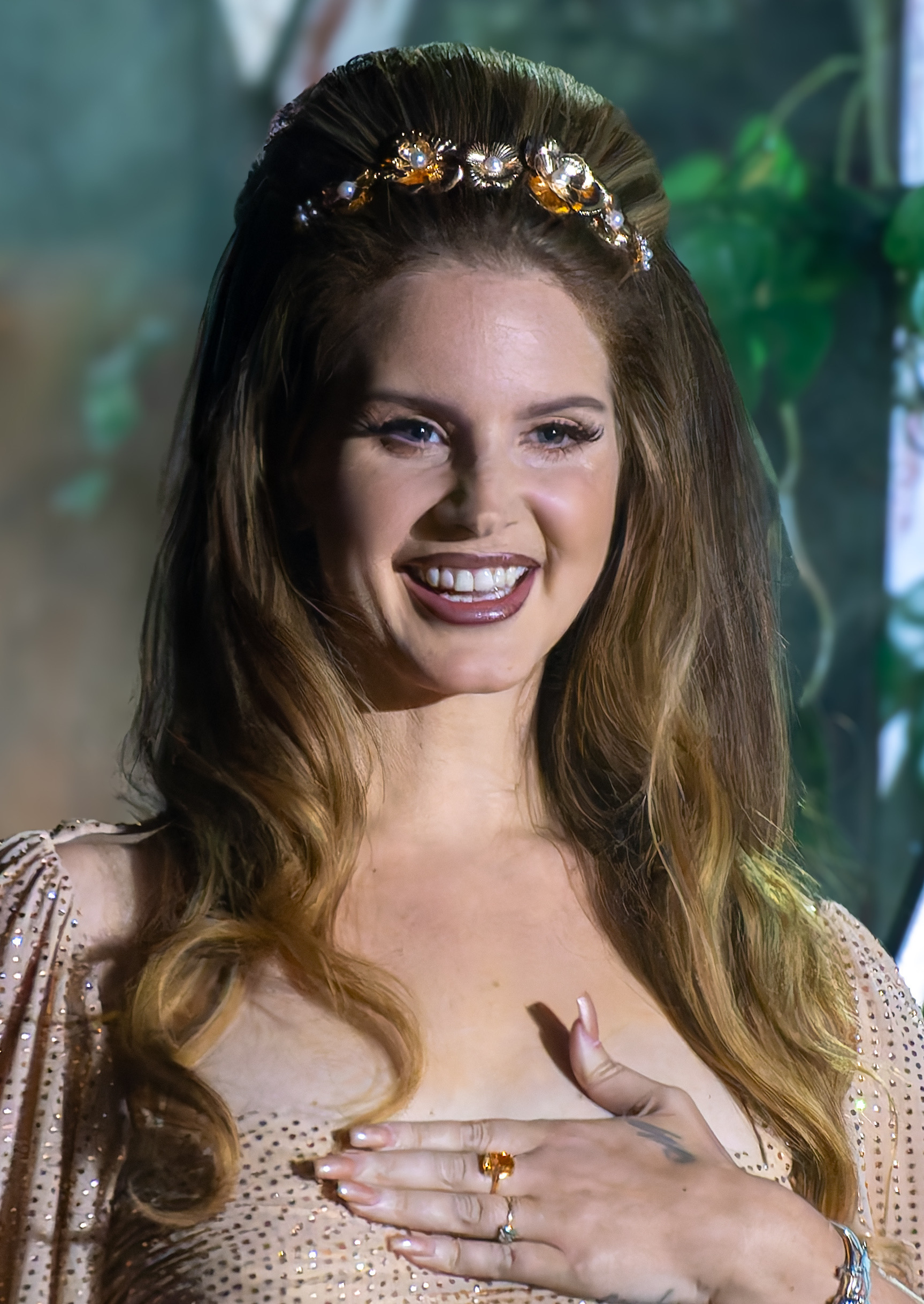
born Elizabeth Woolridge Grant
Singer-songwriter, performing as Lana Del Rey; "Video Games," "Born to Die," "Norman Fucking Rockwell!" · b. 1985 · Manhattan, New York City
Two calls made by hand, not formulas. how we score →
Summary
Elizabeth Grant built a career on a persona of hard luck and doomed romance, but the household behind it was stable and increasingly prosperous: two working parents, a private boarding school, a private university degree.
She did struggle for years to land a record deal. The real question is what kind of family can absorb that without anyone going hungry.
How it happened
Born Elizabeth Woolridge Grant in Manhattan on June 21, 1985, and raised from about age one in Lake Placid, New York. Her father, Robert Grant, worked as a copywriter before moving into domain-name investing, a business that grew through the late 1990s and 2000s; her mother, Patricia, worked as an account executive and later a schoolteacher. She sang as a cantor in the church choir and has described being fixated on mortality from a young age.
At fourteen or fifteen her parents sent her to Kent School, an Episcopal boarding school in Connecticut. An uncle who worked in admissions there helped arrange financial aid. She went on to Fordham University in the Bronx, graduating in 2008 with a philosophy degree, and worked with homeless people and people in recovery while she was a student.
She signed a small deal with an independent label, 5 Points Records, in 2007, recording as Lizzy Grant for about $10,000. A self-titled digital album went up on iTunes in January 2010 and came down again in April, after she moved on to new management. 5 Points' founder, David Nichtern, later told MTV that reports of her father bankrolling that period were "a bunch of crap" — "not a penny," by his account, while she was on his label. Other reporting has said her father did later help buy back the rights to that material once she'd moved on; the two versions don't fully agree, and neither is independently confirmed beyond the people quoted.
Working now as Lana Del Rey, she wrote "Video Games" with Justin Parker and recorded it with the production duo Robopop. She cut the music video herself from vintage and home-movie footage and put it on YouTube in May 2011, without a label behind it. It spread fast enough that by that October she'd signed a joint deal with Interscope, Polydor, and the boutique label Stranger, and "Born to Die" followed in January 2012, debuting at number two and eventually spending ten years on the Billboard 200.
The image built around "Born to Die" — vintage cars, doomed men, a kind of manufactured melancholy — drew criticism from the start, sharpened by a widely panned "Saturday Night Live" performance weeks after the album came out. Critics called the whole thing an act; some suggested she'd been packaged by the industry rather than having built the persona herself. She kept working through it rather than answering it directly, releasing an album every two or three years since.
Eleven albums in, with eleven Grammy nominations and no win yet, she's been called by Rolling Stone the best American songwriter of her generation. Reported net worth sits around sixty million dollars, a figure with no public filing behind it. Her earnings look like fee and royalty income from records, touring, and licensing rather than an owned company or catalog stake.
The coded evidence
Thirteen groups, every claim sourcedDescendant; no recent immigration history documented for either parent's family
↗ en.wikipedia.orgBoth parents worked steadily throughout her childhood and adolescence; her father's domain-name business grew increasingly successful through the late 1990s and 2000s. No period of housing instability or family financial crisis is documented anywhere in the sourced record.
↗ en.wikipedia.orgDuring the unpromising 2007-2010 Lizzy Grant period, her income floor is not independently documented. Her first label head has denied on the record that her father supported her financially during that specific window; other reporting describes the father later funding a buyback of rights to that material. The two accounts conflict and neither is corroborated beyond the person quoted.
Regardless of which account is accurate for that narrow window, the household she could return to throughout was a stable, working two-parent one — a fallback that doesn't depend on resolving this dispute.
↗ nme.comnot established
No period of visible poverty or hardship is documented or claimed in her own account of this period; the question doesn't arise.
↗ en.wikipedia.orgFather Robert Grant worked as a copywriter before moving into domain-name investing, a business he founded around the mid-1990s that grew substantially through her childhood and teenage years. Mother Patricia Grant worked as an account executive, later as a schoolteacher.
↗ en.wikipedia.orgA parent worked for themselves, the strongest known predictor of founding.
Father built an independent domain-investing and later real-estate portfolio business, Web Media Properties and Point Judith Properties.
↗ domaininvesting.comAn uncle worked in the admissions office at Kent School, the boarding school she was sent to at fourteen or fifteen, and helped secure financial aid for her attendance there.
↗ en.wikipedia.orgNo documented instance of parents actively chauffeuring or facilitating a music career; the household's role was providing stability and resources (boarding school, private university) rather than direct involvement in her creative pursuits.
↗ en.wikipedia.orgManhattan (birth), then Lake Placid, New York from about age one
↗ en.wikipedia.orgSt. Agnes School (elementary) in Lake Placid, then Kent School, a private Episcopal boarding school in Connecticut, from age fourteen or fifteen.
↗ en.wikipedia.orgManhattan to Lake Placid at about age one; Lake Placid to Kent School in Connecticut in her mid-teens; Kent School region to Fordham University in the Bronx for college; later to London for several years while working with her first manager; later still to Los Angeles.
↗ en.wikipedia.orgMet A&R representative Van Wilson from 5 Points Records after performing at a Williamsburg songwriting competition in 2006, leading to a demo submission and a small recording contract in 2007.
↗ en.wikipedia.orgnot established
No prior employer supplied capital, credibility, or network; she came to music without an industry-adjacent day job.
↗ en.wikipedia.orgSelf-shot the "Video Games" music video from vintage and home-movie footage and uploaded it to YouTube in May 2011 with no label, no marketing budget, and no radio push behind it. It spread through direct audience reach rather than through an industry gatekeeper, and the Interscope/Polydor/Stranger deal followed the video's traction rather than preceding it.
↗ en.wikipedia.orgManagers Ben Mawson and Ed Millett, met roughly three months after her 2010 self-titled digital release, negotiated her out of the 5 Points Records contract and into the 2011 major-label deal.
↗ en.wikipedia.orgBachelor of Arts in Philosophy (Metaphysics), Fordham University, 2008
↗ en.wikipedia.orgWorked with homeless people and people in addiction recovery during college; no evidence of paid work funding tuition specifically.
↗ en.wikipedia.orgStarted at SUNY Geneseo, took a gap year, then transferred to Fordham, a private university, in 2004.
↗ en.wikipedia.orgApproximately $10,000 recording contract with 5 Points Records in 2007, an independent New York label.
↗ en.wikipedia.orgContested. Her first label head, David Nichtern, said on the record that her father provided no financial support during her time on his label (2007-2010). Separate reporting states her father later funded buying back the rights to that recorded material once she'd moved to new management, attributed to Nichtern and producer David Kahne but not independently documented with an amount or date.
↗ nme.comnot established
Masters and publishing terms of the 2011 Interscope/Polydor/Stranger deal are not disclosed in public sources reviewed.
↗ en.wikipedia.orgThe Lana Del Rey persona and sound were her own creative reinvention following the commercially unsuccessful Lizzy Grant period, rather than a label-commissioned concept.
↗ en.wikipedia.org0
Income documented is overwhelmingly music royalties, touring, and licensing fees within a single industry (music, plus adjacent film soundtrack licensing); no documented equity stake taken in an unrelated industry in exchange for her name or image.
↗ en.wikipedia.org1
The 2010 self-titled digital album under her own name, withdrawn from sale within months and not counted as a success by any account, including her own subsequent reinvention of the persona and sound.
↗ en.wikipedia.orgAbout four years between the 2007 5 Points Records signing and the October 2011 major-label deal, spanning the Lizzy Grant period, the withdrawn 2010 album, and the independent "Video Games" release.
↗ en.wikipedia.org26
"Video Games" released May 2011; Interscope/Polydor/Stranger deal signed October 2011; born June 1985.
↗ en.wikipedia.orgBroke through during YouTube's early rise as a viable path to a major- label deal without radio or traditional A&R discovery, a route that was still novel enough in 2011 to draw press attention on its own.
↗ en.wikipedia.org"Video Games," a self-shot, self-uploaded YouTube video with no label backing, spread widely through 2011 and drew major-label interest within about five months of its May 2011 release.
↗ en.wikipedia.orgBuilt a recording and touring career from an original persona and sound rather than acquiring an existing position or catalog.
↗ en.wikipedia.orgMusic (recording artist, songwriter)
↗ en.wikipedia.org60000000
Aggregator estimate with no disclosed methodology; treat as a wide band, not a point figure. No Forbes profile exists for her (forbes.com/profile/lana-del-rey returns 404).
↗ celebritynetworth.comAggregator
↗ celebritynetworth.comDocumented earnings are royalties, touring revenue, and licensing fees (film soundtracks, brand collaborations) rather than an owned company, catalog, or masters stake; no disclosed equity position is documented.
↗ en.wikipedia.orgEleven Grammy nominations without a win as of 2026; two Brit Awards; an Ivor Novello Award for Best Contemporary Song (2012); named among Rolling Stone's 200 Greatest Singers of All Time (2023); "Born to Die" spent 520 weeks on the Billboard 200, the second-longest run by a woman after Adele.
↗ en.wikipedia.orgCapped
Income is royalty and fee-based rather than tied to an owned, appreciating asset she controls outright.
↗ en.wikipedia.orgNo regulatory, criminal, or civil conduct finding is documented against her. A self-reported personal-health matter from her teenage years is held in a sequestered field and not shown here.
↗ en.wikipedia.orgCinematic, Melancholic, Polarizing, Influential
↗ en.wikipedia.orgPublic
↗ en.wikipedia.orgBefore
The cinematic, melancholic persona and reputation formed with "Born to Die" in 2012, well before her later critical reappraisal.
↗ en.wikipedia.orgMixed
The persona drove huge commercial reach but also drew years of "manufactured" and "industry plant" criticism after her panned 2012 "Saturday Night Live" performance, before a broad critical reappraisal later in the decade.
↗ en.wikipedia.orgThe reputation was deliberately built, through books, press, and PR.
The stage name, visual style, and persona were a deliberate reinvention from the earlier "Lizzy Grant" identity, not an emergent accident.
↗ en.wikipedia.orgCritical opinion shifted substantially in her favor over the 2010s; by 2019's "Norman Fucking Rockwell!" and after, she was widely described as one of the defining songwriters of her generation rather than a manufactured pop act.
↗ en.wikipedia.orgStructural context
The cost-of-failure score comes from this person's own money and circumstances. But who they were in America carried its own weight, the same way their household or income did, and it shaped how hard the path was just as much. That part isn't in the cost-of-failure number. It's here instead.
Across film, music, and digital, ownership and control stay in far fewer women's hands than men's. For one measure, women directed only about 12% of 2023's top-grossing films.
↗ assets.uscannenberg.orgWhite creators hold most of the ownership and catalog control relative to their share of the population. Recognition turns into ownership most reliably for them.
↗ assets.uscannenberg.orgAmong the people recorded here — women: 54 · White subjects: 74. Representation here is who reached these outcomes, not equal odds of reaching them.
Controlled comparisons
Each holds one thing constant and varies another, so the difference is the point. A list of similar names wouldn't tell you anything.