Linda Alvarado
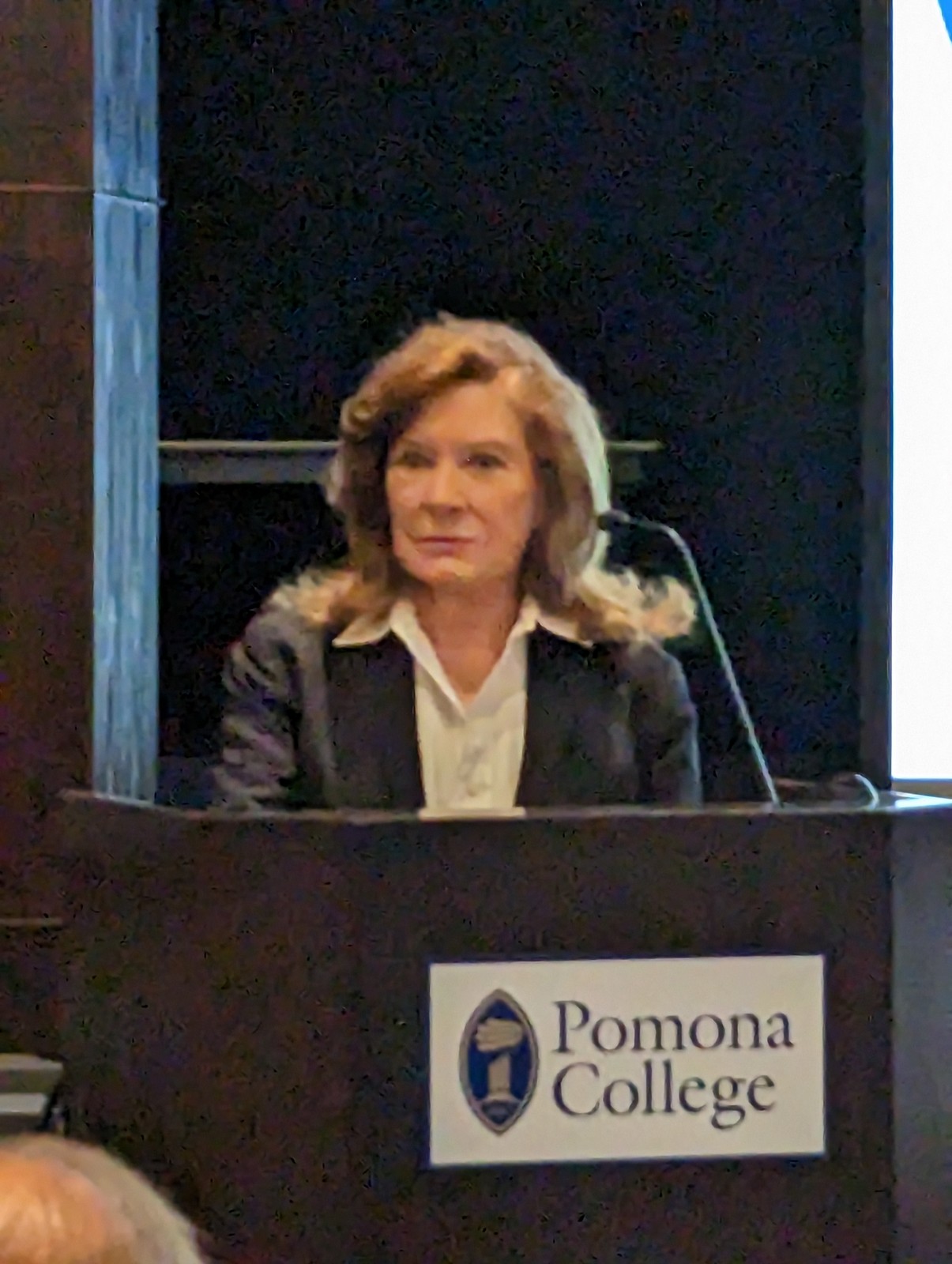
born Linda Martinez Alvarado
Founder & CEO, Alvarado Construction; co-owner, Colorado Rockies · b. 1952 · Albuquerque, New Mexico
Two calls made by hand, not formulas. how we score →
Summary
The only girl among six children in a working-class Albuquerque family; her father worked at Sandia for the Atomic Energy Commission.
She entered commercial construction in the early 1970s, when women were under one percent of the trade, and started her own firm after six banks turned her down, on a $2,500 loan her parents secured against their house.
How it happened
Born Linda Martinez in Albuquerque, New Mexico, the only girl among five brothers. Her father, Luther Martinez, worked for the U.S. Atomic Energy Commission; the family lived in a small adobe house with no heat and no indoor plumbing. Sources describe a religious, disciplined household — her grandfathers had been Protestant missionaries, and her parents had served as missionaries earlier in their own lives.
She won an academic scholarship to Pomona College in California, working as a laborer for a landscaping contractor to help cover her costs, and graduated with a degree in economics. She then took a job with a California construction and development firm, where — by one account — watching how much the company made on each job is what pushed her to start her own.
In 1974 she and a partner incorporated Martinez Alvarado Construction Management Corporation in Palo Alto, California — the origin of the name later attached to her family's restaurant company. Six banks turned down her business plan before her parents mortgaged their own home to lend her $2,500 to get started. She later bought out her partner and rebuilt the firm as Alvarado Construction in Denver.
She has described finding crude drawings of herself left in job-site restrooms and facing open skepticism from crews and clients about whether a woman belonged there at all. She began submitting bids and proposals signed with just her initials rather than her first name, so reviewers couldn't reject the work before they'd seen it.
The company grew from concrete curbs, gutters, and bus shelters into general contracting on convention centers, airports, hospitals, and stadiums, including a share of Denver's Mile High Stadium. It has been reported to bring in roughly $41 million a year, still privately held, with Alvarado as CEO and owner.
In the early 1990s she joined a group of Denver investors bidding for a National League expansion franchise. When the Colorado Rockies took the field in 1993, she became the first Hispanic person and the first woman to hold an ownership stake in a major league team in her own right, rather than through a husband or a family estate.
She joined her first corporate board, at Norwest Bank, at 27, and by 2001 reportedly held more Fortune 1000 board seats than any other Latino director. She and her husband, Robert, also built Palo Alto, Inc., which came to hold roughly 150 Taco Bell, Pizza Hut, and KFC franchise locations.
The coded evidence
Thirteen groups, every claim sourcedCoarse public-record coding; race is a noisy, interpretive category.
↗ encyclopedia.comDescendant. A multi-generational New Mexico Hispanic family (born Martinez); not an immigrant herself. Her grandfathers are described as Protestant missionaries and her parents also served as missionaries earlier in their lives; the family's immigration history beyond that is not established in sources reviewed.
↗ encyclopedia.comHer grandfathers were Protestant missionaries and her parents also served as missionaries earlier in their lives, per this source.
↗ encyclopedia.comAfter Pomona she worked for a California construction and development firm before striking out on her own around 1974, giving her some industry income and experience going in, though no documented salary continued once she founded her own company.
↗ encyclopedia.comHer parents mortgaged their own home to secure the $2,500 loan that funded the company's start, after six banks declined to fund her business plan. The real risk sat on her parents' house, not on any cushion of her own.
↗ horatioalger.orgThe hardship was imposed, not chosen. There was nothing to fall back on.
Six banks turning her down, and her parents having to mortgage their house to cover the loan, describe real financial exposure rather than chosen austerity against a standing fallback.
↗ encyclopedia.comFather, Luther Martinez, was an employee of the U.S. Atomic Energy Commission (the agency that ran Sandia, in Albuquerque). Mother, Lilly Martinez, is not described with a paid occupation in sources reviewed; both parents are described as having served as missionaries earlier in their lives.
↗ encyclopedia.comNeither parent was self-employed.
Father is described as a civil-service Atomic Energy Commission employee, not self-employed; not stated explicitly as such.
↗ encyclopedia.comnot established
One source describes her as "second-youngest of six"; no other source gives birth order, so this is left uncoded rather than guessed from a single account.
↗ hispanicexecutive.comAlbuquerque, New Mexico. Multiple sources describe the family's home as a small adobe house with no heat and no indoor plumbing.
↗ cogreatwomen.orgSandia High School, a public school in Albuquerque, where she lettered in basketball, volleyball, and softball, played soccer, ran track, and was president of the Girls Sports Club.
↗ encyclopedia.comEntered commercial construction in the early-to-mid 1970s, when women were under one percent of the trade. She has described finding crude drawings of herself in job-site restrooms and open hostility from co-workers, and six banks rejected her business plan before her parents' loan financed the company.
↗ encyclopedia.comFounding member and long-time chair of the Denver Hispanic Chamber of Commerce, from 1976 onward — a network that followed the company's early growth rather than funding its start.
↗ encyclopedia.comnot established
No named individual is documented as opening the door to construction or to the founding loan; sources describe her own initiative and her parents' loan after banks declined.
↗ encyclopedia.comInstitutional/cold. Early work was small public and municipal contracts — concrete curbs, gutters, sidewalks, and bus shelters — rather than work sourced through an existing personal network.
↗ hispanicexecutive.com21
Approximate, based on graduating Pomona in the early 1970s and immediately taking construction-industry work; not stated as an exact age in any source.
↗ encyclopedia.com1
Approximate gap between her post-Pomona construction job and incorporating her own firm in 1974.
↗ encyclopedia.comBegan signing early bids and proposals with just her initials rather than her first name, so reviewers could not reject the submission once they knew a woman had made it.
↗ encyclopedia.comB.A./B.S. in Economics, Pomona College, Claremont, California.
Degree and school confirmed consistently across encyclopedia.com and Wikipedia.
↗ encyclopedia.comWorked as a laborer for a landscaping contractor during college to help cover her costs.
↗ cogreatwomen.orgDirect four-year liberal-arts degree, entered on an academic scholarship out of high school.
↗ encyclopedia.com$2,500 loan from her parents, who mortgaged their own home to secure it, after six banks turned down her business plan.
The $2,500 figure and the parental-loan story are consistent across Wikipedia, Horatio Alger, and two encyclopedia.com profiles. The six-bank-rejection detail and the mortgaged-home detail come from the fuller encyclopedia.com history profile specifically.
↗ horatioalger.orgThe $2,500 startup loan from her parents, secured against their own home.
↗ encyclopedia.comIt paid its own way from the start. Revenue came before any outside money.
Grew from small paving and municipal contracts into larger commercial work, financed by contract revenue and conventional financing rather than outside equity.
↗ hispanicexecutive.comHer parents' home, mortgaged to secure the startup loan.
↗ horatioalger.orgGrown over decades on bank financing and operating revenue; no outside equity investors are documented at any point. The company remains privately held, with Alvarado as CEO and owner.
Consistent "still privately held, Alvarado as CEO" descriptions across Wikipedia and both encyclopedia.com profiles; no primary financial filing exists for this private company.
↗ en.wikipedia.orgPrior employment at a California construction and development firm, where — by one account — observing the company's profit on each job is what pushed her to start her own.
↗ encyclopedia.comSix banks rejected her business plan before her parents' loan financed the company's start. Multiple profiles frame this, and the on-site hostility she faced, as tied to her being a woman entering a male-dominated trade.
↗ encyclopedia.comHer parents bore the direct financial risk, via their mortgaged home; six banks had already declined to bear any of it.
↗ horatioalger.org24
Based on a 1952 birth year and the 1976 founding date most commonly cited for Alvarado Construction in Denver. One encyclopedia.com profile instead gives 1951 for her birth and 1974 for an earlier Palo Alto, California incorporation (Martinez Alvarado Construction Management Corporation); both would put the age in the same low-20s range.
↗ en.wikipedia.orgMid-1970s U.S. commercial construction industry, when women were reportedly under one percent of the trade.
↗ hispanicbusinessjournal.comBuilt from nothing — small municipal paving and bus-shelter contracts scaling over decades into general contracting on stadiums, convention centers, airports, and hospitals.
↗ hispanicexecutive.com50
Approximate span from the mid-1970s founding to the present; the company appears to still be operating as of the most recent sources reviewed.
↗ en.wikipedia.orgCommercial general contracting, construction management, and real estate development
Field description corroborated by both encyclopedia.com profiles.
↗ en.wikipedia.orgnot established
No personal net-worth figure for Alvarado is documented in any source reviewed; she has no Forbes wealth-tracked profile. coded.magnitude is set from the documented scale of Alvarado Construction (reported revenue of roughly $41 million a year, multi-decade work on major public and commercial projects), the roughly 150-unit Palo Alto, Inc. restaurant franchise portfolio, her Colorado Rockies ownership stake, and decades of Fortune 1000 board seats — not from any personal net-worth estimate, since company revenue and franchise or team holdings are not the same thing as an owner's personal wealth.
↗ en.wikipedia.orgAggregator
Basis for the $41M/year company revenue figure used to inform magnitude, which is undated and uncited in the Wikipedia article itself — not a personal net-worth basis.
↗ en.wikipedia.orgWealth is concentrated in ownership of privately held companies (the construction firm and the restaurant franchise business), plus a minority stake in the Colorado Rockies and historical compensation from Fortune 1000 board seats. No public salary or disclosed personal equity figure exists for her.
↗ encyclopedia.comFirst Hispanic person and first woman to become an owner of a Major League Baseball franchise in her own right (Colorado Rockies, 1993). Widely described as the first woman to serve as CEO of a major commercial general contracting firm. A 2001 survey is cited as finding she held more Fortune 1000 board seats than any other Latino director. Horatio Alger Award (2001); National Women's Hall of Fame (2003); Colorado Women's Hall of Fame (2002).
↗ cogreatwomen.orgUncapped
↗ encyclopedia.comPioneer, Trailblazer, Determined
↗ hispanicbusinessjournal.comAfter
Public recognition and hall-of-fame honors followed the company's growth and the Rockies ownership, well after the mid-1970s founding.
↗ cogreatwomen.orgAsset
↗ cogreatwomen.orgStructural context
The cost-of-failure score comes from this person's own money and circumstances. But who they were in America carried its own weight, the same way their household or income did, and it shaped how hard the path was just as much. That part isn't in the cost-of-failure number. It's here instead.
Startups founded only by women have drawn about 2% of US venture capital, a share that has barely moved in a decade. Raising money as a woman was harder than any one record shows.
↗ techcrunch.comAmong the people recorded here — women: 68 · Hispanic / Latina subjects: 1. Representation here is who reached these outcomes, not equal odds of reaching them.
Controlled comparisons
Each holds one thing constant and varies another, so the difference is the point. A list of similar names wouldn't tell you anything.