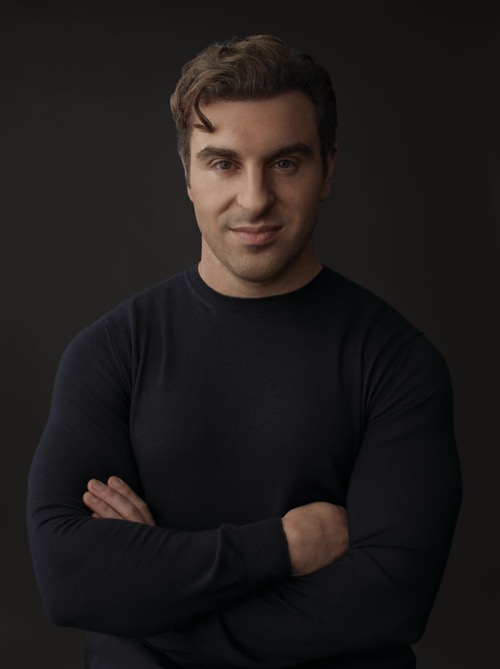
Michael B. Jordan
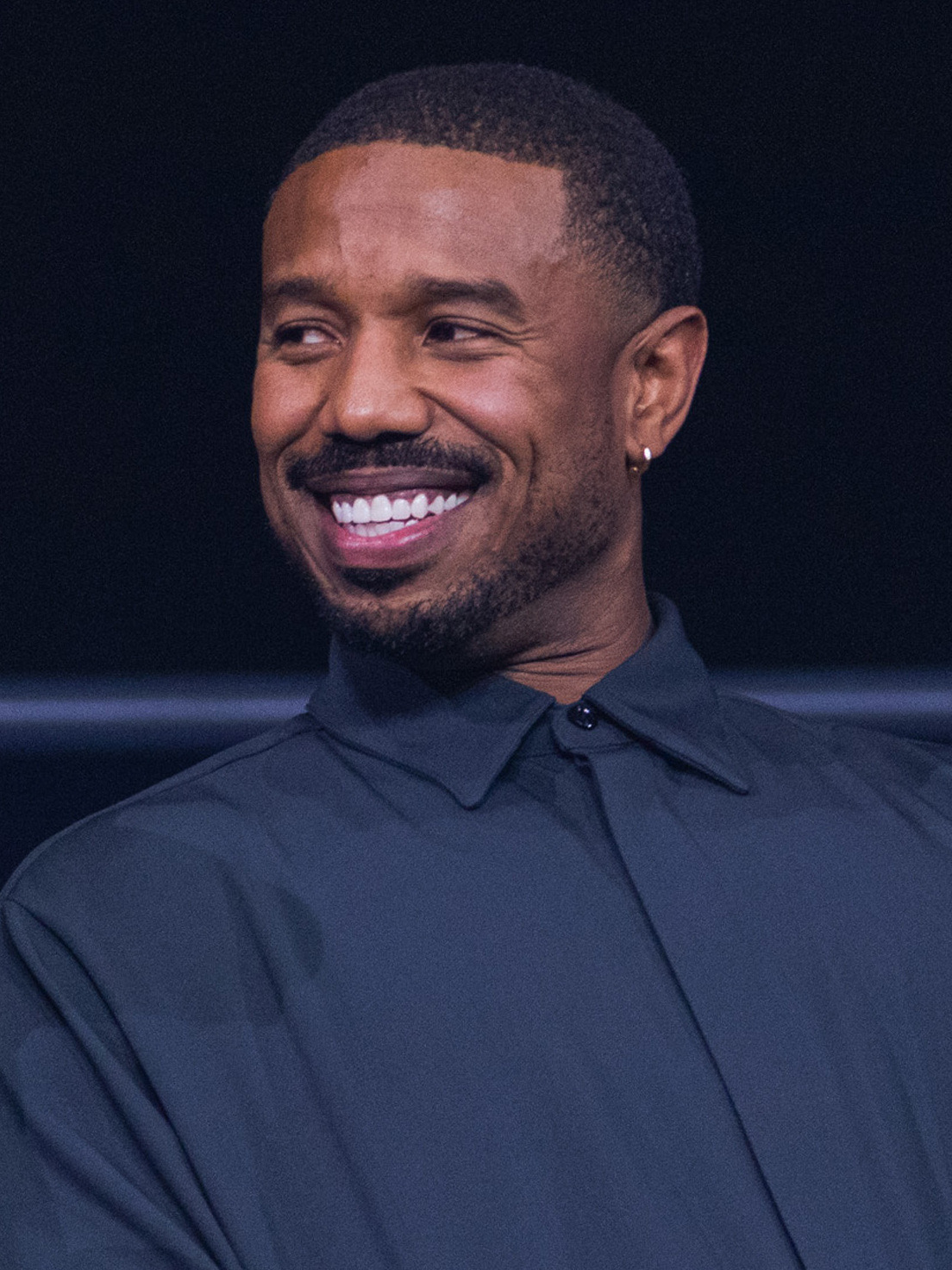
born Michael Bakari Jordan
Actor — Fruitvale Station, Creed, Black Panther; Academy Award for Best Actor, Sinners · b. 1987 · Santa Ana, California
Two calls made by hand, not formulas. how we score →
Summary
His mother worked at Newark's arts magnet school, his father ran a catering business — steady jobs, no capital behind them.
He spent his teens in bit parts and one-season TV roles until Ryan Coogler wrote him into a $900,000 Sundance film before the script was done. Fifteen years and an Oscar later, he's still paid mostly by the picture, and only recently started building ownership of his own.
How it happened
Newark is where he grew up, not Santa Ana, where he was born — the family moved when he was two. His father, Michael A. Jordan, worked at JFK Airport before starting his own catering business; his mother, Donna, worked at Newark Arts High School, the public magnet school he later attended himself. He's described the surrounding neighborhood as a tough one, marked by gangs and drug activity. At eleven, a receptionist at his mother's doctor's office suggested he try modeling, and he started picking up local ad work for Modell's and Toys "R" Us.
His teens and early twenties were steady rather than breakout: a season as Wallace on HBO's "The Wire" in 2002, three years as Reggie on "All My Children," two more as a high school quarterback on "Friday Night Lights." It was real, paid, recognizable work. None of it made him a lead.
Ryan Coogler, then a USC film student, wanted Jordan for Fruitvale Station before he'd finished writing it. Forest Whitaker's production company backed the project, Octavia Spencer helped raise the rest of the money, and the whole film was shot in twenty days on a $900,000 budget. It won the Grand Jury Prize and the Audience Award at Sundance in January 2013, and one review compared him to a young Denzel Washington. He was twenty-five.
Creed (2015) and Killmonger in Black Panther (2018), both directed by Coogler again, made him one of the industry's few bankable Black leading men. The money was real. It was still fee-for-work — he didn't own a piece of either franchise.
In 2019 he started his own production company, Outlier Society, and by 2021 had an overall deal with Amazon spanning film and television. In 2023 he directed Creed III himself, the franchise's best opening yet. Later that year he also bought into a minority ownership group for the Premier League's AFC Bournemouth — his first stake in anything outside entertainment.
Sinners reunited him with Coogler in 2025, playing twin brothers, for a reported $4 million fee on a film Coogler had personally negotiated to own outright after twenty-five years — the ownership just wasn't Jordan's. He won the Best Actor Oscar for it in March 2026, only the second actor in Academy history to win for playing two roles at once.
The coded evidence
Thirteen groups, every claim sourcedTwo working parents throughout his childhood — his father's catering business, his mother's job at Newark Arts High School — gave him a stable home to return to, even in a neighborhood he's described as rough.
↗ biography.comChild modeling and small acting jobs from age eleven supplemented rather than replaced his parents' income; he was never his family's main earner as a minor.
↗ biography.comnot established
No homelessness, eviction, or comparable instability is documented at any point in his career; absence noted rather than assumed.
↗ biography.comFather Michael A. Jordan worked as a supervisor at JFK International Airport before starting his own catering business. Mother Donna Jordan worked at Newark Arts High School, the public arts magnet school he later attended.
↗ biography.comA parent worked for themselves, the strongest known predictor of founding.
His father's catering business, run alongside his airport job.
↗ biography.comNewark, New Jersey, where the family moved when he was two. He has described the surrounding neighborhood as tough, marked by gangs and drug activity.
↗ biography.comNewark Arts High School, a public performing- and visual-arts magnet school, where his mother also worked.
↗ en.wikipedia.orgHis mother's job at Newark Arts High School put him inside a selective arts-track public school by way of her employment there, an access route independent of any family wealth.
↗ en.wikipedia.orgRyan Coogler wanted Jordan for the lead of Fruitvale Station before he had finished writing the script, and cast him early in development through the film's backers at Forest Whitaker's production company.
↗ en.wikipedia.orgHBO's "The Wire" (2002), playing Wallace — a single season on an acclaimed prestige drama that gave him an early credibility marker with casting directors, though the character was written out after the first season.
↗ en.wikipedia.orgA decade of series and supporting work — Wallace on "The Wire" (2002), Reggie on "All My Children" (2003–2006), Vince Howard on "Friday Night Lights" (2009–2011) — gave him a working actor's résumé and some recognition, but no lead-actor name recognition, before Fruitvale Station.
↗ en.wikipedia.orgNo college documented. Attended Newark Arts High School, a public performing-arts magnet school, and moved directly into paid acting work after graduating.
↗ en.wikipedia.orgPaid child-modeling work for retailers including Modell's Sporting Goods and Toys "R" Us, starting around age eleven.
↗ biography.comIt paid its own way from the start. Revenue came before any outside money.
Paid acting and modeling work from childhood on; he never raised outside capital for his own career.
↗ biography.comStarred in Sinners (2025) for a reported $4 million fee, on a film Ryan Coogler personally negotiated to own outright — final cut, first-dollar gross, and reversion of the rights to Coogler 25 years after release. The ownership belongs to Coogler; Jordan's own compensation is reported as a flat fee, with backend participation described in some accounts but not confirmed by a primary source.
↗ netflixjunkie.comMost of his signature roles — Fruitvale Station, Creed, Black Panther, Sinners — were built around him by directors, chiefly Ryan Coogler, rather than originated by Jordan himself. His own company, Outlier Society, has so far worked mostly inside existing franchises (Creed III, the Tom Clancy adaptations) rather than producing original IP of its own.
↗ press.amazonmgmstudios.com1
His minority stake in AFC Bournemouth (2022) is the clearest instance of recognition converted into an ownership position outside entertainment. A separate Alpine F1 investment is smaller and less publicly detailed.
↗ afrotech.com25
Fruitvale Station premiered at Sundance on January 19, 2013; he was born February 9, 1987.
↗ en.wikipedia.orgA strong early-2010s festival and indie-distribution circuit gave a $900,000 film, partly financed through Forest Whitaker's production company, a real route to distribution, Sundance prizes, and an awards push that a studio picture at that budget wouldn't have needed.
↗ en.wikipedia.orgBuilt. Fruitvale Station was an original story, not an acquired property, made for $900,000 and shot in twenty days.
↗ en.wikipedia.orgFilm and television acting
↗ en.wikipedia.org50000000
Aggregator estimate with no disclosed methodology; treat as a band, not a precise figure.
↗ celebritynetworth.comAggregator
↗ celebritynetworth.comOverwhelmingly income, not equity. Documented compensation is per-picture fees — a reported $4 million for Sinners (2025) — rather than an ownership stake in the franchises that made him famous; Creed and Black Panther are studio-owned IP he doesn't hold a piece of.
↗ netflixjunkie.comAcademy Award for Best Actor, 98th Academy Awards (March 15, 2026), for Sinners, playing twin brothers Smoke and Stack — only the second actor in Oscar history to win for a dual role, after Lee Marvin in 1966.
↗ en.wikipedia.orgCapped
His acting income is negotiated per project. The AFC Bournemouth and Alpine F1 stakes are a smaller, separate, uncapped position that hasn't yet become his primary source of wealth.
↗ netflixjunkie.comStructural context
The cost-of-failure score comes from this person's own money and circumstances. But who they were in America carried its own weight, the same way their household or income did, and it shaped how hard the path was just as much. That part isn't in the cost-of-failure number. It's here instead.
Men hold most of the ownership and gatekeeping across the creative and media industries, the default that recognition and deals flow toward.
↗ assets.uscannenberg.orgIn the creative and media industries, recognition comes far more easily to underrepresented creators than the ownership it should turn into. Among 2023's top-grossing film directors, for one measure, eight were Black.
↗ assets.uscannenberg.orgAmong the people recorded here — men: 115 · Black subjects: 58. Representation here is who reached these outcomes, not equal odds of reaching them.
Controlled comparisons
Each holds one thing constant and varies another, so the difference is the point. A list of similar names wouldn't tell you anything.